
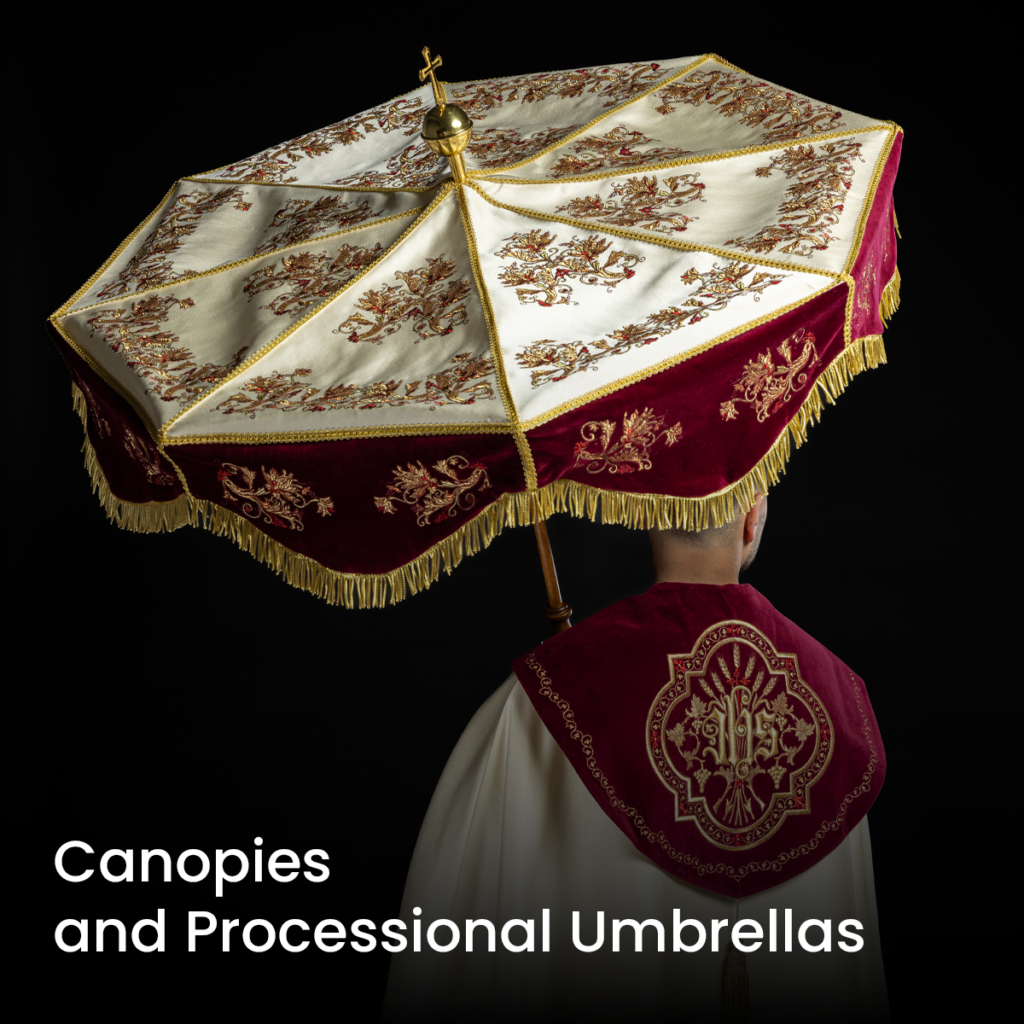
The Feast of Corpus Christi, a solemn celebration of the Real Presence of Christ in the Eucharist, culminates in a vibrant procession that winds through streets and communities. At the heart of this sacred journey stands the Blessed Sacrament, elevated and adored. Protecting this most sacred object, and symbolically shielding the divine presence, are the canopy bearers. Their role, though often unsung, is of profound spiritual and practical significance, transforming them into venerable guardians of the Most Blessed Sacrament.
The Symbolism of the Canopy
The canopy, known in liturgical terms as a *baldacchino* or *pavilion*, is more than just a decorative covering. Its presence over the Eucharist during processions signifies reverence, protection, and the divine glory befitting Christ’s presence. Historically, canopies were reserved for royalty and high officials, underscoring the belief that Christ is the King of Heaven and Earth. The act of carrying the canopy is therefore an act of profound homage, acknowledging Christ’s sovereignty and offering Him the highest honor.
Who Carries the Canopy?
The tradition of canopy bearers varies across dioceses and religious orders, but typically includes devout laypersons. Often, members of specific ministries or sodalities, such as the Knights of Columbus or members of the Children of Mary, are invited to participate. In some traditions, young men preparing for the priesthood or those serving as altar servers may also be chosen. The selection is a recognition of their faith, commitment, and willingness to serve in a prominent role during this significant liturgical event. It’s a call to be visible witnesses of their faith.
The Practical Demands of the Role
While deeply spiritual, the role of a canopy bearer is also physically demanding. The canopy itself can be substantial, often made of rich fabrics like velvet or brocade, and supported by sturdy poles. Carrying it requires coordination, strength, and stamina, especially if the procession is long or takes place on a warm day. Bearers must walk in unison, maintaining a steady pace and keeping the canopy level, ensuring it provides consistent shade and protection for the Blessed Sacrament.
This physical exertion is undertaken as an act of sacrifice and devotion. It mirrors the dedication of those who have historically protected sacred relics and figures. The coordinated effort of the bearers symbolizes the unity of the Church, with the faithful collectively supporting and honoring Christ in the Eucharist. Each step they take is a prayer, a testament to their faith and their commitment to safeguarding the sacred.
The Spiritual Significance for Bearers
Beyond the physical act, the role offers immense spiritual benefits to the canopy bearers. It is an opportunity for deep personal prayer and reflection as they walk in close proximity to the Blessed Sacrament. The focused attention required to carry the canopy can lead to a profound sense of peace and spiritual engagement. They become living embodiments of the Church’s reverence for the Eucharist, offering a powerful witness to onlookers.
Many who have served as canopy bearers describe the experience as deeply moving and spiritually transformative. It is a moment of intimate connection with Christ, a tangible expression of their faith, and a commitment to serve the Church in a very visible and dedicated manner. The act of shielding the Blessed Sacrament can foster a greater sense of responsibility and devotion to the Eucharist in their daily lives.
The Canopy as a Symbol of Divine Protection
The canopy serves as a powerful visual reminder that the Eucharist is not only physically present but also divinely protected. While the bearers provide the human element of protection, the ultimate safeguarding of the Blessed Sacrament is attributed to God’s grace. The canopy symbolizes the heavenly protection that surrounds Christ, and by extension, His presence within the Church and within each believer.
The procession itself is a public declaration of faith. The canopy bearers, by holding aloft this symbol of divine honor, play a crucial part in this declaration. They are not merely carrying an object; they are carrying the King of Kings, and their actions communicate a profound message of adoration, reverence, and unwavering faith to the community.
Preparing for the Role
Serving as a canopy bearer requires preparation, both physical and spiritual. Those chosen are typically encouraged to attend Mass regularly, to pray and to reflect on the significance of the Eucharist. Rehearsals are often held to ensure smooth coordination during the procession. Understanding the liturgical context of Corpus Christi and the symbolic meaning of the canopy is essential for performing the role with the reverence it deserves.
The commitment involves not only the day of the procession but also the ongoing spiritual journey it inspires. It is an invitation to become more deeply involved in the sacramental life of the Church and to actively participate in its public expression of faith. The role challenges individuals to embody the virtues of service, humility, and devotion.
The Enduring Legacy of Canopy Bearers
The tradition of canopy bearers during Corpus Christi processions is a timeless testament to the Church’s profound love and reverence for the Blessed Sacrament. These individuals, through their dedicated service, become integral to the sacred beauty and spiritual depth of this important feast. They are the silent, steadfast guardians, shielding and honoring Christ’s Eucharistic presence, and in doing so, they inspire all who witness their devotion.
As the procession concludes and the Blessed Sacrament is returned to the sanctuary, the role of the canopy bearers may seem to end. However, the spiritual impact of their service, and the message of adoration they convey, resonates long after the last hymn is sung. They remind us all of the sacredness of the Eucharist and the profound ways in which the faithful can participate in its veneration.
| Processional canopies |
| Chasubles |