
Any Dungeons & Dragons table that has met the Deck of Many Things knows the feeling in the pit of the stomach. One draw can hand your character a castle, a wish, or a one-way ticket out of existence. Testing your luck is woven into tabletop RPGs, from that infamous deck to the clutch natural 20 that saves the whole party. But when is a gamble actually worth taking, and when are you just feeding the dice?
Luck at the table is not only a mood; it is a mechanic with math underneath it. The same tension that makes a saving throw sing drives real games of chance, too. A casino crash game like the one at chickenroad.run puts it in plain sight: a chicken crosses a busy road, a multiplier climbs with every step, and the player alone decides when to stop. It is press-your-luck boiled down to a single, repeating choice.
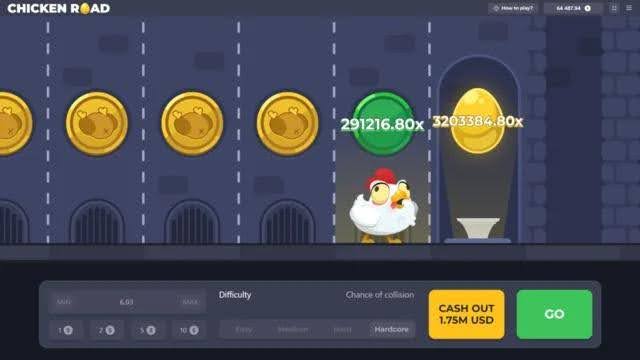
Press-your-luck, one screen at a time: the multiplier rises with every step you survive.
Luck is a mechanic, not a mood
Strip away the theme and luck is just probability doing its job. A d20 has no memory: a run of terrible rolls does not make a natural 20 “due,” however strongly it feels that way. That instinct is the gambler’s fallacy, and it fleeces real players and adventurers alike. What luck does have is expected value, the average result if you could repeat the gamble forever. Put numbers on it: an attack that hits 60% of the time for 12 damage averages about 7 per swing, while a wilder option that hits 30% of the time for 24 damage lands the same 7, just far less often. Same average, very different night. That gap is variance, the swing between glory and disaster, and it is what makes a gamble feel like a gamble.
Seeing the odds in action
The cleanest way to feel variance is to watch it with nothing on the line. The Chicken Road demo runs on virtual credits, which is basically rolling dice for practice: sometimes the chicken strolls through ten lanes untouched, sometimes it is flattened on the first. No amount of skill changes the odds of a single step. What changes, round to round, is how far you choose to push before banking what you already have.
The real skill is knowing when to stop
Press-your-luck games are not won by luck alone; they are won at the exit. Deciding when to cash out in Chicken Road is the same instinct as a party choosing to leave the dungeon with the treasure rather than kicking down one more door. Greed is the enemy of a good run. Set a target before you start, a multiplier, a number of steps, a loot threshold, and take the win when you reach it, instead of letting a hot streak talk you into one gamble too many.
Tabletop designers have built whole games around exactly this tension. Push-your-luck classics like Can’t Stop, the humble dice game Pig, or The Quacks of Quedlinburg all dangle the same bait: bank your progress now, or go again for more and risk losing the lot. The crash game is that mechanic wearing a casino coat, and the winning move is the same one good board gamers already know, quit while you are ahead.
So, is it worth testing your luck?
Yes, with your eyes open. Luck is one of the oldest and best engines in games, from the Deck of Many Things to a rising multiplier, precisely because the outcome is never guaranteed. The trick is to enjoy the thrill without mistaking it for a plan: understand the expected value, respect the variance, and set your limit before the dice are in your hand. Real-money games of chance are strictly for adults, 18 and over, and are best played the way a smart party raids a vault, for fun and with an exit already in mind.
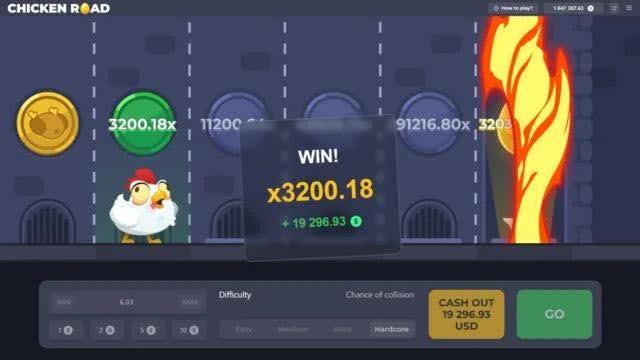
A winning cash-out: banking the multiplier is the same call as leaving the dungeon with the loot instead of opening one more door.