
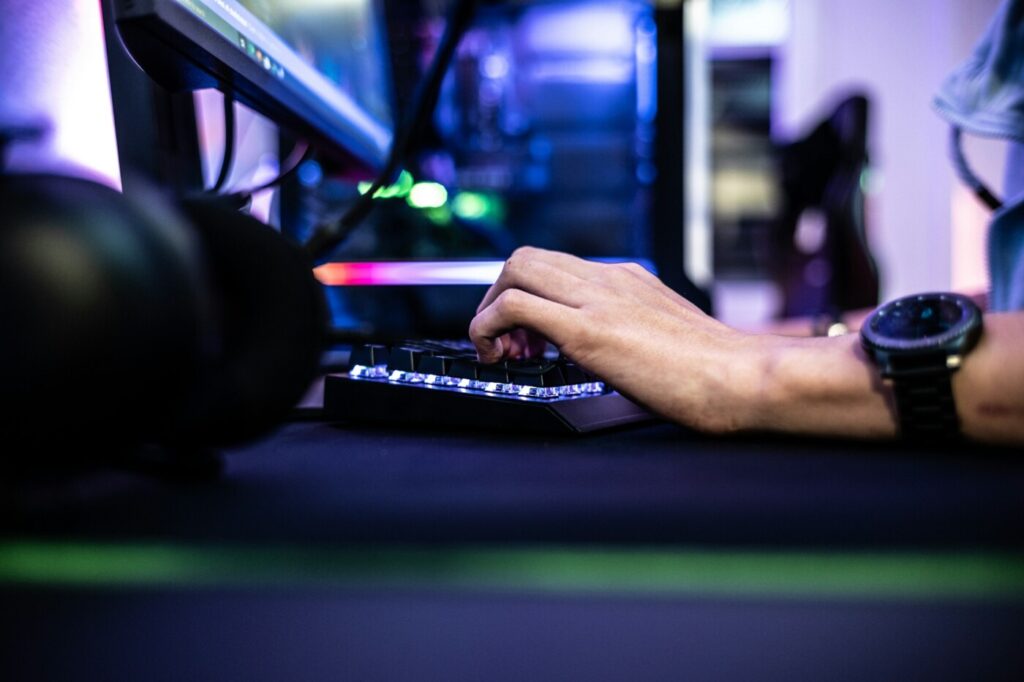
Every competitive gamer knows the feeling. Two hours into a ranked grind, your hand starts to cramp. Your forearm tightens into a knot. That faint tingle in your fingers you keep ignoring becomes impossible to shake off. These aren’t random annoyances — they’re early warning signs of repetitive strain, the single most common injury among both professional and casual players.
The mechanics are simple. Professional esports athletes perform hundreds of fine motor movements per minute, and even casual players rack up thousands of micro-contractions during a long session. Tendons develop tiny tears, inflammation builds, and without proper recovery, the damage compounds. Research has linked prolonged gaming to elevated rates of carpal tunnel symptoms and general musculoskeletal pain, which is why wrist health is quietly one of the most important pieces of gear a player owns.
Most advice about gamer wrist care stops at mechanical stretches and ergonomic chairs. Those matter. But there’s an entire dimension of recovery that competitive players overlook: the mind-body approach found in tantric bodywork. Before you dismiss it, understand that the core principles of Tantric massage — slow, intentional touch, breath awareness, and full nervous-system regulation — map almost perfectly onto what tired forearms and overclocked nervous systems actually need after a marathon session.
Why Fast Fixes Don’t Fully Work
The typical gamer recovery routine is rushed. You shake out your hands, maybe do a quick wrist roll, and jump back in. The problem is that repetitive strain isn’t only a muscular issue — it’s a nervous-system issue. When you’re locked into clutch moments for hours, your body sits in a low-grade fight-or-flight state. Muscles stay contracted. Blood flow to the extremities narrows. Your grip tightens without you noticing.
You can stretch a muscle all you want, but if the nervous system stays switched on, the tension creeps right back. This is the gap tantric principles fill. Tantric bodywork isn’t about speed or force; it’s about slowing down enough that the body actually registers the touch and responds by releasing. That same philosophy, applied to your hands and forearms, changes recovery from a five-second afterthought into a genuine reset.
Principle One: Breath Before Touch
In tantric practice, nothing begins until the breath settles. Before you touch a single muscle, you take slow, deliberate breaths — long inhales, longer exhales — until your heart rate drops and your shoulders release.
For a gamer, this is the step you’re almost certainly skipping. Try it: after logging off, before you rub your wrists, spend sixty seconds breathing deeply with your hands resting palm-up in your lap. The exhale is where the parasympathetic nervous system engages, the “rest and digest” mode that tells your forearms it’s safe to let go. Only once you’ve downshifted does the actual massage do its deepest work. Skipping the breath is like trying to stretch a muscle that’s still flexing.
Principle Two: Slow, Intentional Pressure
The defining feature of tantric touch is that it’s unhurried and fully present. You’re not attacking a knot; you’re listening to the tissue and letting it open on its own timeline.
Apply this to your forearms. Using your opposite thumb, work slowly along the meat of the forearm from elbow to wrist — the flexor group on the palm side and the extensors on the top. Rather than digging hard and fast, use steady, gliding pressure and pause wherever you feel resistance. Breathe into that spot. Wait for it to soften before moving on. Gaming health specialists note that gentle self-massage combined with light heat can meaningfully reduce minor inflammation, and the slow tantric cadence is what makes the release last instead of bouncing back the moment you stop.
Give the base of the thumb and the fleshy palm the same treatment, these are the muscles worn down by hours of gripping a mouse or controller. Small, patient circles do more here than aggressive kneading ever will.
Principle Three: Presence and Body Awareness
Tantra is, at its heart, a practice of presence, being fully in your body rather than lost in your head. Gamers spend entire sessions living on the screen, completely disconnected from what their hands are doing. That disconnection is exactly how strain sneaks up on you. You don’t notice the death-grip on your mouse or the shrugged shoulders until the pain arrives.
Building body awareness is preventive medicine. Periodically during play, check in: Is my grip tighter than it needs to be? Are my forearms clenched? Are my shoulders creeping toward my ears? This constant, gentle self-scanning is a tantric skill, and it lets you release tension in real time instead of paying for it later. The most valuable thing tantric practice offers a gamer isn’t a technique — it’s the habit of noticing.
Principle Four: The Full Cool-Down Ritual
Athletes never skip a cool-down, yet gamers routinely close the laptop and walk away. Tantric bodywork treats the wind-down as sacred, and your hands deserve the same respect.
Build a five-minute post-match ritual that layers the mechanical and the mindful:
- Settle the breath — sixty seconds of slow breathing, hands open and relaxed.
- Wrist flexor stretch — extend one arm, palm up, and gently draw the fingers back with the opposite hand. Hold for 20 to 30 seconds, then switch. According to Cleveland Clinic, these stretches directly target the overused tendons behind gamer’s RSI.
- Wrist extensor stretch — arm extended, palm down, gently pull the fingers toward you. Hold and switch.
- Slow forearm massage — the intentional thumb work described above, breathing into each tight spot.
- Shake and release — loosely shake out the hands and let the arms hang heavy.
Esports healthcare professionals recommend weaving forearm mobility work into a daily routine rather than waiting for pain to appear. Resources like Esports Healthcare lay out the full mechanical stretch sequences in detail — pair those movements with the tantric emphasis on breath and slowness, and you get a recovery practice that addresses both the muscle and the nervous system driving it.
Consistency Beats Intensity
The single biggest mistake gamers make is treating recovery as damage control — something you only do once your wrist already hurts. Both physiotherapy guidance and tantric philosophy agree on the opposite approach: small, consistent, mindful practice done regularly beats an occasional desperate scramble. Short breaks every 30 to 45 minutes, a quick breath-and-massage reset between matches, and a proper cool-down after you log off will keep you in the game far longer than any wrist brace bought after the injury.
Your hands are your most valuable gear. Professional athletes treat their bodies as the instrument of their craft, and for a gamer, that instrument is the wrist and forearm. Borrowing from tantric principles — breath, slowness, presence, and ritual — turns the frantic hand-shake into something that genuinely calms an overworked nervous system.
Go from hand cramps to calm, one intentional breath at a time.