

Gaming and hobby communities have grown into influential cultural spaces where entertainment, technology, and lifestyle trends intersect. What once began as niche groups centered around specific interests, such as tabletop games, collectibles, or competitive toys, has evolved into a global ecosystem of enthusiasts sharing ideas, strategies, and personal interests across digital platforms.
These communities are not limited to gameplay discussions alone. Participants frequently explore topics ranging from technology and product design to wellness habits and lifestyle preferences. As online forums, streaming platforms, and social media groups continue to expand, hobby communities are becoming dynamic spaces where trends emerge and spread quickly.
Lifestyle Discussions Within Hobby Spaces
Although hobby communities primarily revolve around shared interests, conversations often expand into broader lifestyle topics. Members may discuss daily routines, productivity, wellness habits, and other aspects of life beyond the hobby itself.
For example, online communities sometimes include discussions about relaxation methods, daily habits, or lifestyle products that people use outside of their gaming activities.
Some individuals explore wellness products such as shop CBD gummies online options when discussing ways they manage stress or relaxation during busy schedules.
These conversations demonstrate how hobby communities can evolve into broader social spaces where people share experiences beyond their primary interests.
The Cultural Influence of Hobby Communities
Hobby-based communities often play a major role in shaping trends. Fans gather around shared interests such as gaming tournaments, collectible items, or competitive toys, and through these interactions they exchange information about products, strategies, and personal experiences.
Many online hobby communities are built around discussions of performance and competition. For example, toy battling communities frequently analyze equipment and strategies used in competitive play. Players often search for guides discussing what is the strongest beyblade when learning about which combinations of parts produce the most effective performance during matches.
These discussions highlight how hobby communities combine entertainment with analytical thinking, encouraging participants to learn from one another.
Digital Platforms and Community Growth
The rapid growth of gaming and hobby communities is closely tied to digital platforms. Online forums, streaming services, and social media networks allow enthusiasts from different regions to connect instantly.
Video platforms have become particularly influential because they allow players to demonstrate gameplay techniques, review equipment, and explain strategies visually. Viewers can learn from experienced players and engage in discussions within comment sections or live chats.
These platforms also create opportunities for creators to build dedicated audiences centered around specific hobbies, further strengthening community connections.
Shared Knowledge and Collaborative Learning
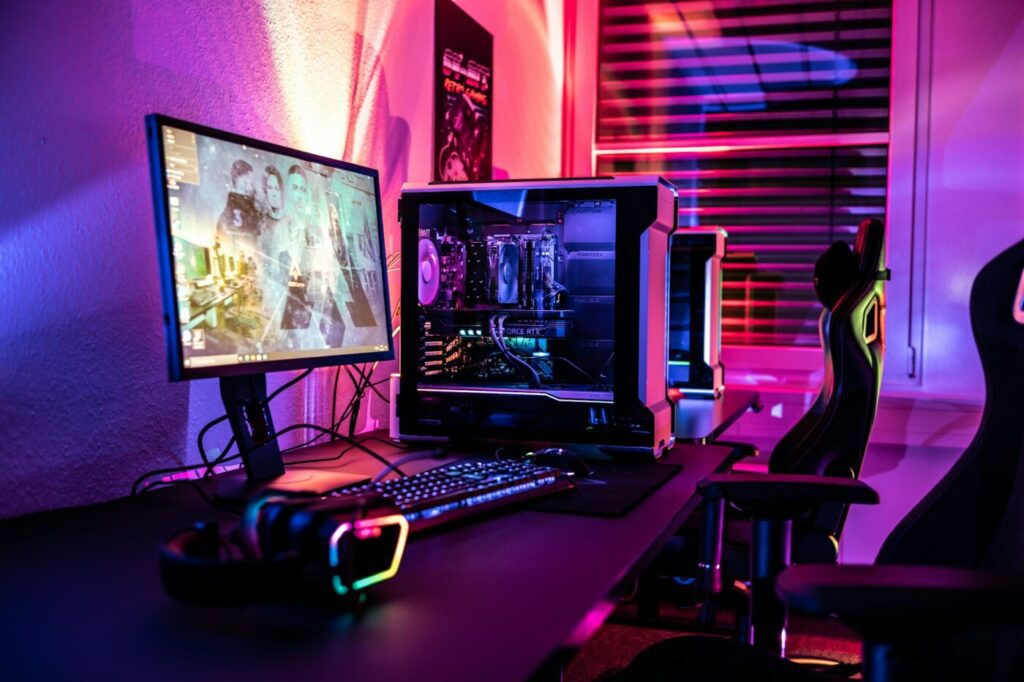
One of the defining characteristics of hobby communities is the exchange of knowledge. Members frequently share tips, tutorials, and product insights that help others improve their skills or make informed purchasing decisions.
In competitive hobbies, detailed discussions often focus on performance characteristics of equipment. Participants analyze design features, materials, and mechanics to determine how certain products influence gameplay.
This collaborative learning environment allows newcomers to quickly gain knowledge while giving experienced members opportunities to share expertise.
Creativity and Personal Expression
Gaming and hobby communities also encourage creativity and personal expression. Participants often customize equipment, design artwork, or create digital content inspired by their favorite hobbies.
Customization and creative experimentation help strengthen community engagement. Whether designing custom game modifications, creating unique toy combinations, or producing fan art, hobbyists frequently push the boundaries of what their interests can become.
This creative energy helps communities remain vibrant and continuously evolving.
The Role of Competition and Events
Competition is another key factor driving engagement within hobby communities. Organized tournaments, online competitions, and community challenges create opportunities for participants to test their skills and showcase their achievements.
Events often bring together enthusiasts who may normally interact only online. These gatherings allow players to share strategies, discuss equipment, and celebrate their shared interests in person.
Competitive environments also inspire innovation as players experiment with new techniques or combinations to gain an advantage.
Community Identity and Belonging
One of the strongest aspects of hobby communities is the sense of belonging they provide. Participants often feel connected to others who share the same enthusiasm and dedication to a particular interest.
These communities create spaces where individuals can express themselves freely while engaging in conversations about topics they enjoy. Shared experiences, such as tournaments, online discussions, or collaborative projects, help strengthen these connections.
The sense of identity that emerges within hobby communities can be powerful, turning casual interests into lasting friendships and networks.
Research and Understanding Hobby Culture
Researchers studying online communities note that hobby-based groups often foster strong social engagement and collaborative learning. According to research from the Pew Research Center, online communities centered around shared interests can strengthen social connections and encourage knowledge exchange among participants.
Understanding how these communities function provides insight into why they continue to grow and influence broader cultural trends.
The Future of Gaming and Hobby Communities
As technology continues to advance, gaming and hobby communities are likely to become even more interconnected. Virtual reality, advanced simulation tools, and new communication platforms may further enhance the ways enthusiasts interact and share experiences.
At the same time, the core elements that define hobby communities, shared passion, collaboration, creativity, and friendly competition, are likely to remain unchanged.
By combining entertainment with social interaction and personal expression, gaming and hobby communities will continue to shape modern lifestyle trends while bringing people together around the interests they love.