
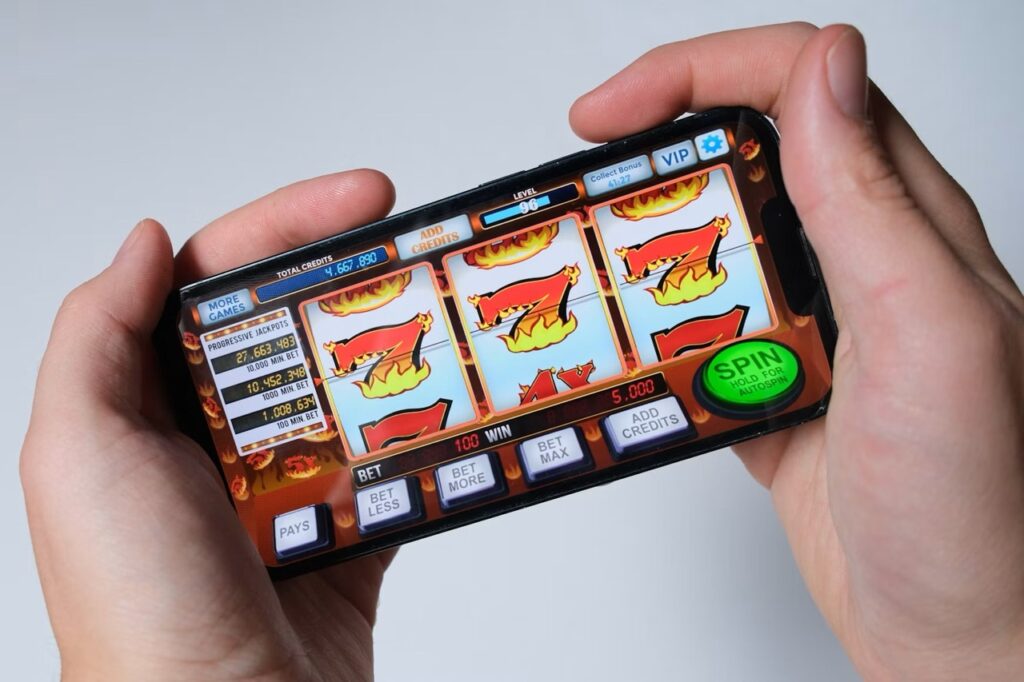
Card games have adapted to digital screens remarkably well. What once required a deck, a table and a group of friends can now be played almost anywhere, whether that means building strange combinations in Balatro or joining a poker tournament from a phone or laptop.
The range of card game apps has also become much broader. Some games reinvent familiar rules, while others try to recreate the competition of a real card room. Poker players often compare platforms according to game selection, tournament schedules, traffic, software and payment options before deciding where to play.
Resources such as World Poker Deals can help players research different rooms, while the apps themselves offer noticeably different approaches to online poker. Here are four digital card games and platforms worth knowing about in 2026.
Balatro: A Familiar Deck Turned Into Something New
Balatro starts with ordinary playing cards, but it does not take long for the game to stop feeling like traditional poker.
The objective is to build poker hands that generate enough chips to beat increasingly difficult scoring requirements. The real strategy comes from modifying the rules around those hands. Jokers can completely change how points are calculated, while Tarot, Planet and other cards allow players to reshape their deck throughout a run.
What makes Balatro stand out among the best card game apps is how naturally it turns simple poker concepts into a deep single-player strategy game. Knowing that a flush beats a straight helps, but success ultimately depends on building combinations that would make little sense at a real poker table.
It is also extremely easy to play in short sessions. A run can be picked up on mobile without organizing opponents or waiting for a multiplayer lobby.
Best for: Solo players who enjoy deck-building, experimentation and roguelike progression.
CoinPoker: Poker Built Around Crypto
CoinPoker takes a very different approach. Instead of reinventing the rules of poker, it focuses on bringing traditional poker formats into a crypto-friendly digital environment.
Players can find Texas Hold’em alongside Pot Limit Omaha, 5-Card PLO and 6-Card PLO. The platform offers both cash games and tournaments, including events at different buy-in levels.
CoinPoker also supports mobile play, browser access and desktop software, allowing players to move between devices.
Its crypto focus is the feature that most clearly separates it from many conventional poker platforms. Deposits, withdrawals and the wider account experience are designed around cryptocurrency as well as other supported payment methods.
For someone comparing the best online card games, CoinPoker represents the more traditional side of the category. The cards and poker rules remain familiar, while much of the innovation happens around payments, access and software.
Best for: Poker players interested in crypto payments, cash games and a mix of Hold’em and Omaha formats.
BCPoker: Social Features and a Wider Mix of Poker Formats
BCPoker is another crypto-oriented option, but its identity is more heavily centered on various game formats and social play.
The platform currently features No Limit Texas Hold’em, Pot Limit Omaha and Short Deck. Players can join tournaments and satellites, while faster formats such as All-in or Fold Sit & Go provide an alternative to longer sessions. BCPoker also includes club and friend-table features, allowing users to create private playing environments rather than relying entirely on public tables.
That makes it interesting from a broader perspective on digital card games. Online poker does not always need to mimic the anonymous experience of entering a huge public card room. Private clubs and friend tables bring back some of the social element associated with sitting around a physical table.
BCPoker provides downloadable software and a web version, giving players flexibility in how they access games. As with any real-money poker service, availability and permitted play can vary by jurisdiction, so players should check the rules that apply where they live.
Best for: Players who want Short Deck, Omaha, private tables and social poker features alongside standard Hold’em.
ACR Poker: Built Around Tournament Players
ACR Poker is particularly noticeable for the scale and variety of its tournament ecosystem.
Alongside regular poker games, its software includes features such as Blitz Poker, Mystery Bounty events, staking tools, tournament filters and Run It Twice. The platform also supports mobile poker for players who do not want to remain tied to a desktop client.
Tournament players may find the additional analysis tools particularly interesting. In 2026, ACR Poker expanded its Final Table Replayer features, giving users another way to revisit completed final tables and study decisions after play has finished.
Large tournament series remain a significant part of the platform. For example, its September 2026 Online Super Series XL was announced with 336 events and more than $50 million in guaranteed prize pools.
Compared with more casual card game apps, ACR Poker is clearly aimed at players who enjoy structured competition, tournament schedules and the analytical side of poker.
Best for: Tournament-focused players who value large schedules, staking features and tools for reviewing play.
From Deck-Building to Real Opponents
Balatro, CoinPoker, BCPoker and ACR Poker show just how broad the term digital card games has become.
Balatro takes poker hands and turns them into the foundation of a single-player puzzle. CoinPoker keeps the traditional game intact but builds a crypto-focused environment around it. BCPoker emphasizes multiple formats and social tables, while ACR Poker leans heavily into tournament play and software tools.
Choosing among the best card game apps, therefore, depends less on which one is universally better and more on what type of card player you are.
If you want endless combinations without having to face another person, Balatro is the obvious fit. If you want actual poker competition, the decision shifts toward formats, tournaments, traffic, software and payment preferences.
That variety is exactly why digital card gaming remains interesting in 2026. A standard 52-card deck may not have changed, but what developers can build around it certainly has.