Who’s On First Watch Podcast

Australian friends turn an imagined world into a shared adventure
After several false starts, the team behind Who’s On First Watch found their moment through a new game, four decades of pop-culture inspiration and the pleasure of making things up together.
Before there was a podcast, there was a world.
Richard and his mate Shawn had created Hammanaroth, a homebrew fantasy setting filled with the kinds of stories, characters and adventures they loved. Woven through it were homages to favourite pieces of pop culture from the past 40 years—a lifetime of influences finding their way into something the pair could call their own.
Getting other people to hear its stories would take a little longer.
Who’s On First Watch emerged after several false starts and practice runs. The world’s creators had shared a love of tabletop roleplaying since 2004, but it took the right group coming together to turn the idea into a show.
The original plan was to make a Dungeons & Dragons podcast. There were already plenty of those. Even so, the team felt their storytelling, chemistry and Australian perspective could bring something distinctive to the scene. Then, as they were getting the project moving, a new game arrived.
Daggerheart launched in May 2025 through Darrington Press, the publishing arm of Critical Role. Its emphasis on shared storytelling and character, with Hope and Fear shaping the outcome of dice rolls, offered a fresh approach to fantasy roleplaying.
They decided to give it a shot.
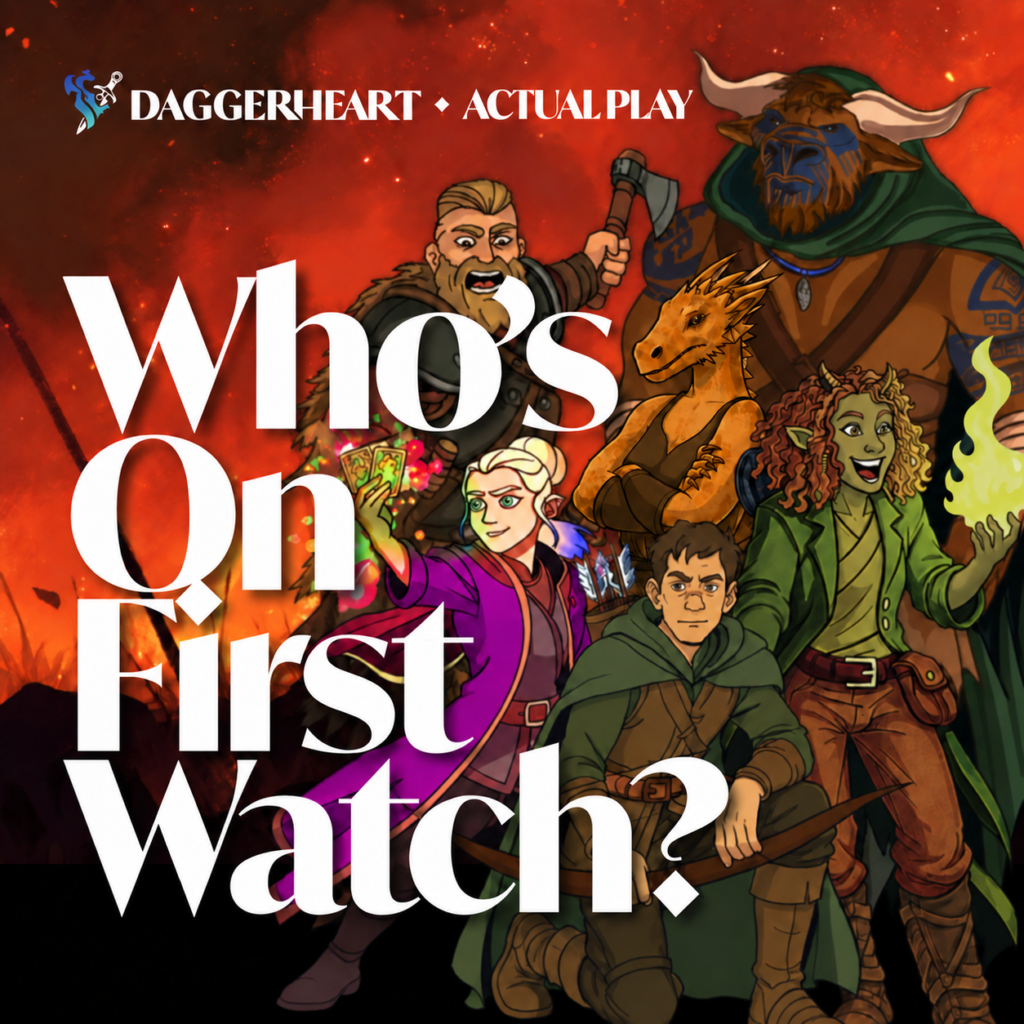
For the group, Daggerheart seemed to offer more room to concentrate on the story and less need to interrupt it to work through rules. There were still mechanics and consequences, but its encouragement for everyone to contribute to the narrative suited what they wanted to create. After several attempts to get going, they had something taking shape.
For anyone unfamiliar with tabletop roleplaying, it is essentially improvisational acting with your mates to tell a shared, immersive story—with some rules attached. You take on a character. Someone guides the world around you. You decide what to say and attempt, while dice help determine what happens next.
A sensible plan can unravel in seconds. A ridiculous suggestion can somehow work. A character invented for a bit of fun can become someone whose fate matters deeply to everyone playing.
But joining in can require an initial leap of faith.
There is something exposing about sitting with other adults and agreeing to play pretend. Trying a character voice, committing to an emotional scene or offering an idea can feel awkward before it feels natural. It helps to trust the people listening.
Sometimes that trust is there from the beginning, carried into the game through existing friendships or an immediate sense of welcome. Sometimes it develops gradually, as people discover their ideas will be heard, their boundaries respected and their contributions given room. Each time someone takes a small creative risk and the others support it, joining in becomes a little easier. cEventually, the self-consciousness can give way to curiosity about what happens next.
In WoFW, that curiosity leads into Hammanaroth, where flawed heroes face war, dangerous magic and cosmic horror. The homebrew world provides the foundations. Its pop-culture homages offer familiar echoes, reimagined within an original setting. The cast then adds its own ideas, relationships and questionable decisions. Everyone leaves a mark on the story, taking it somewhere Richard, as game master, could never entirely anticipate.
The wider audience for that experience has grown alongside some much bigger names. Critical Role helped demonstrate how compelling watching other people play could be. Its tabletop campaigns have since inspired the Prime Video animated series The Legend of Vox Machina and The Mighty Nein, bringing those shared adventures to television audiences. Meanwhile, Stranger Things brought Dungeons & Dragons and the friendships surrounding it into millions of living rooms, helping renew interest in a hobby many viewers had never tried.
Beyond the famous names, there is an everyday attraction to gathering around a table again. For people whose working days and spare moments are filled with screens, a game offers a welcome reason to put devices aside and give friends their attention. Around a physical table, the essentials can be as simple as paper, pencils, dice and imagination. There is time to listen, laugh, argue the merits of a spectacularly bad plan and become absorbed in something together. For those who enjoy it, that can be a far more satisfying way to spend an evening than another few hours of scrolling.
Online play can sustain those connections across distance too. The shared attention and human company remain central.
Research also supports the value of keeping playfulness in adult life. Studies stretching back more than a decade have associated adult playfulness with greater life satisfaction. Australian research has linked it with positive emotions, relationships, engagement and overall wellbeing. These findings support taking adult play seriously, without suggesting everyone needs to enjoy the same activities.
Research into tabletop games is encouraging as well. A small James Cook University study found improvements in anxiety, depression, stress and self-esteem among 25 participants during eight weeks of D&D play, although it could not establish that gaming alone caused those changes.
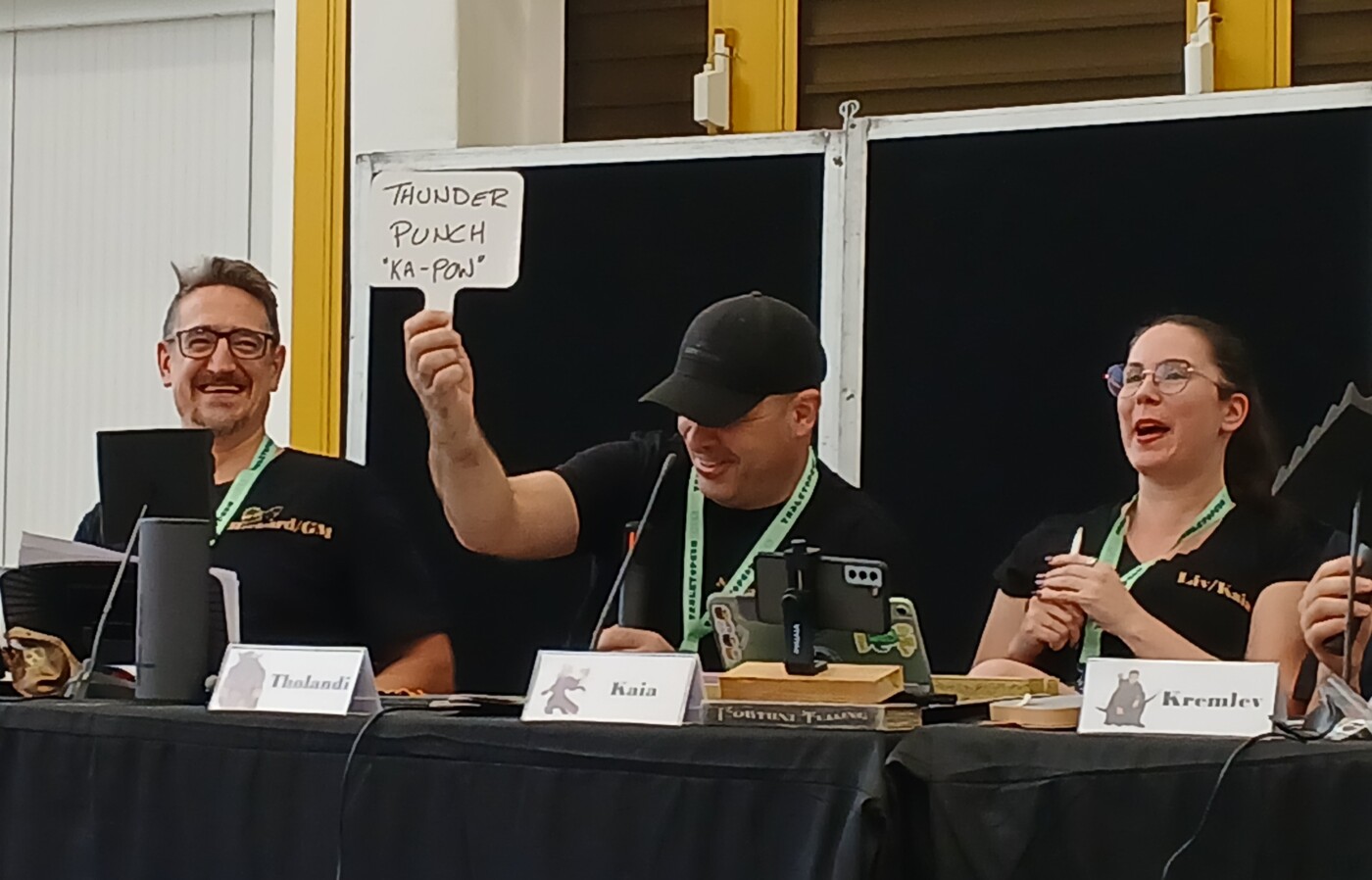
Several members of the WoFW cast are neurodivergent. Each brings their own perspective, and a welcoming table can provide room for different ways of thinking, communicating and contributing.
For parents, there is another appealing dimension: what children get to see. A parent laughing with friends, inventing a character or enthusiastically describing an imaginary adventure offers a glimpse of adulthood with creativity and play still firmly in it.
Children can see adults making time for friendship, listening to one another, cooperating and enjoying themselves face to face. It is a practical example of the social and creative lives parents often hope their children will build. Growing older can leave plenty of room for imagination. Turning that imagination into a podcast, however, involves considerably more work than the recording session alone.
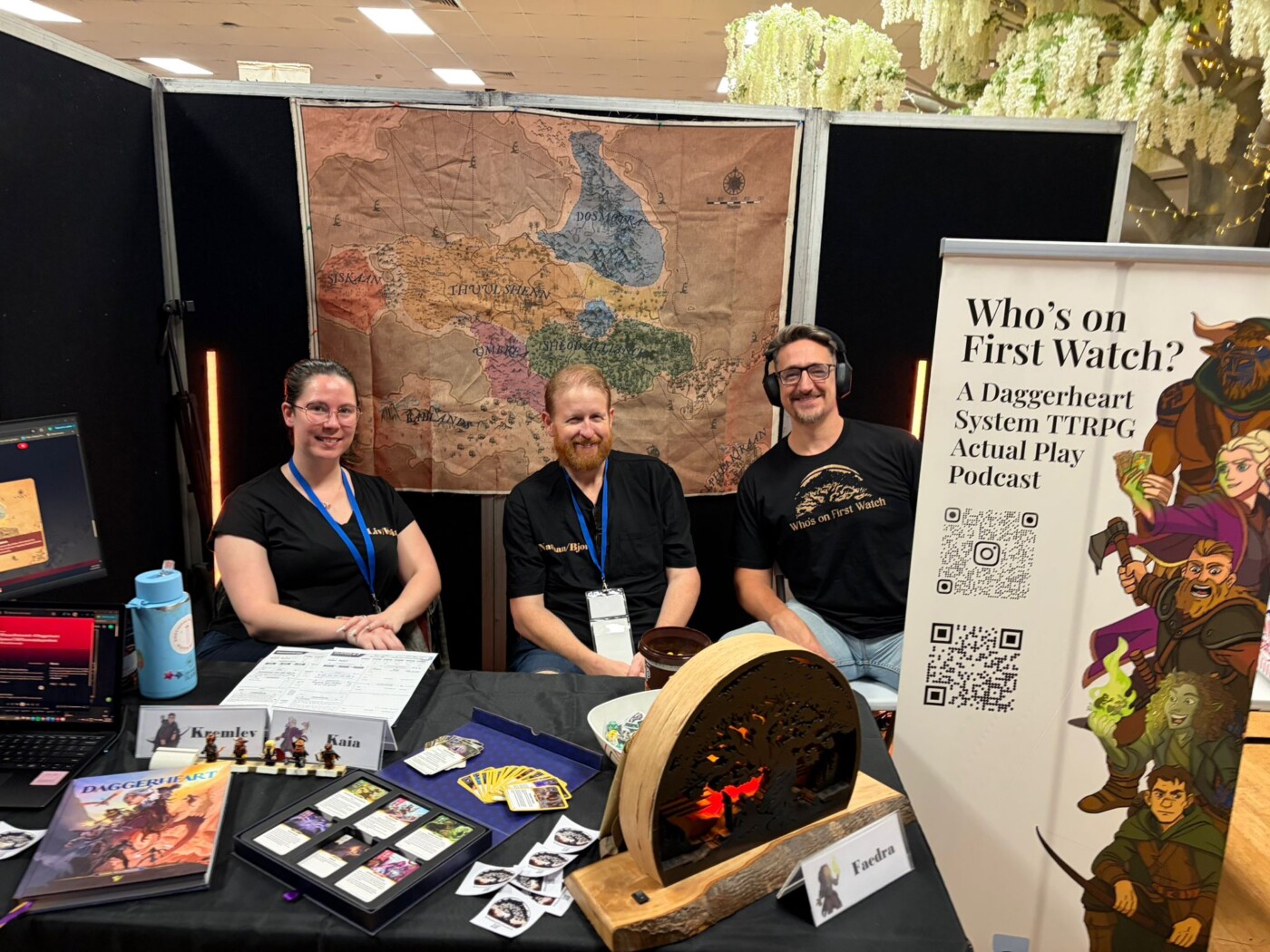
Richard carries much of that ongoing workload. Alongside preparing and running the game, he produces the show, edits the recordings, oversees its art direction and keeps the overall project moving. The finished episodes represent a substantial commitment of time beyond the hours listeners hear. Other cast members are also taking on responsibilities behind the scenes, helping the show function and reach more people. Their involvement brings more hands and ideas to the work of sustaining and growing WoFW, with Richard continuing to lead its production and creative direction.
The self-funded show releases fortnightly. Its website describes a project built around enjoying the game together while steadily improving what listeners hear. For Richard, having even a handful of listeners become invested in the characters and their adventures makes that effort worthwhile.
At its heart are friends who trust one another enough to be imaginative, occasionally vulnerable and frequently ridiculous.
Hammanaroth gives them somewhere to go.
What they create together gives them a reason to keep coming back.
Listen and meet the cast at whosonfirstwatch.com.