
 The landscape of bets on favorite esports teams is undergoing an evolutionary transformative phase in 2025. This transformation is driven by strategic innovations, a redefined competitive structure, and other emerging powerhouses. Therefore, analyzing recent tournaments and team uniqueness offers a broad insight into the evolving strategies and the future narrative of the Dota 2 scene.
The Iconic Dota 2
Dota 2 is a globally famous multiplayer online battle arena (MOBA) game designed by Valve Corporation. It features two teams of five players, each controlling a unique “hero” with special abilities. The core objective of competing is to destroy the opposing team’s “Ancient” structure located in their base. What sets it apart is its complexity and depth.
It has more than 120 heroes and a steep learning curve. These heroes have varying abilities and playstyles, which range from damage-dealing “cores” to strategic “support” roles. Likewise, it entails intricate strategies with map control, resource management, and team coordination. The game rewards both skill and collective execution, so you can win either way.
Furthermore, its influence on eSports is profound. Its annual championship event, The International, has consistently featured some of the largest prize pools in competitive gaming history. It is funded mainly through community support and usually crowdfunded through in-game purchases.
Dota 2 is beyond just a game, as it has transformed into a competitive ecosystem and cultural phenomenon. It boasts of a thriving competitive scene. One that keeps shaping the standards and ambitions of the modern eSports industry.
The Strategic Movement
The 2025 Meta emphasizes adaptability, with teams favouring heroes capable of completing multiple responsibilities. Heroes like Mars, Mirana, and Void Spirit have become fixtures because they help teams to adapt strategies in the middle of a game. Early aggression aims to ruin opponents’ plans before they can fully develop. Thus emphasizing the essence of securing early objections and kills.
Team Falcons
They have rapidly reached the peak of the competitive ladder since their access into the Dota 2 scene in late 2023. Thanks to a roster featuring talents like Oliver “Skiter” Lepko and Amar “ATF” Al-Assaf, they have been quite successful at the BegBoom Dacha Dubai 2024 and Dream League Season 22. Besides their clinched victories, their success highlights a combination of individual skill and complementing team play.
Their success story depicts the potency of aggressive playstyle. Likewise, it highlights the need for versatile hero picks that align with the current meta’s demands. Team Falcons Strategic approach and adaptability position then as a formidable force in upcoming tournaments.
The International 2024
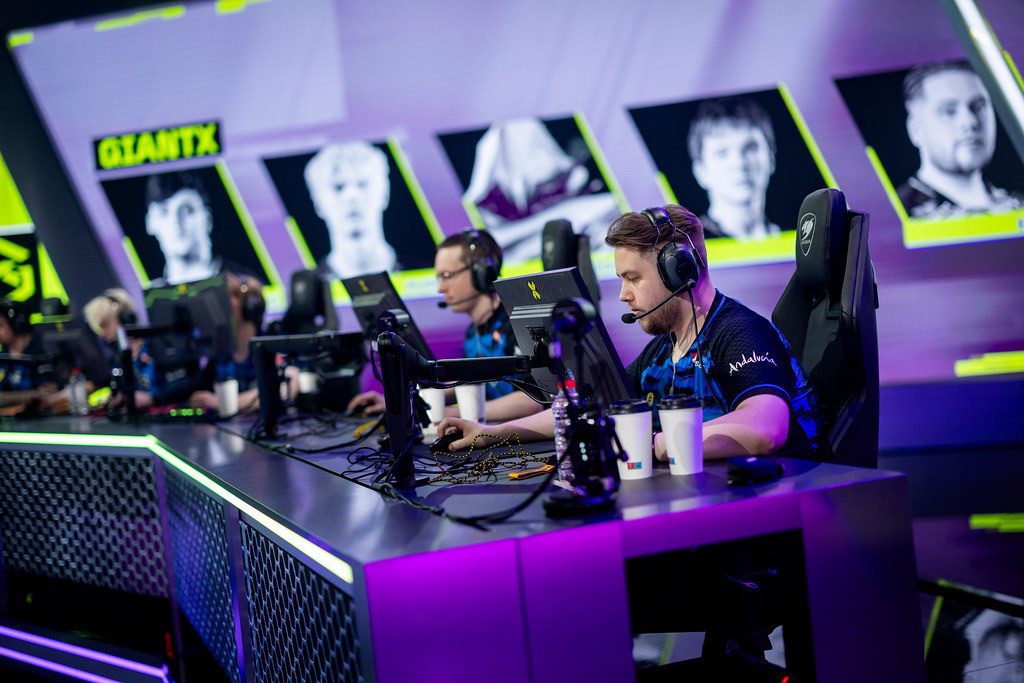
This highlights a major change in the competitive structure. By this, we mean moving away from the Dota Pro Circuit to a system of direct invites based on performance in third-party events. Usually held in Copenhagen, Denmark, this tournament saw Team Liquid surge as champions. They even defeated Gaimin Gladiators in a decisive 3–0 final.
This transformation has influenced the competitive scene. It does this by encouraging fans to perform consistently across various events to secure invitations. Thereby, increasing the stakes and competitiveness of the Dota 2 scene.
Upcoming Teams and Regional Uniqueness
The global Dota 2 landscape is experiencing an increase in talent from different regions. This further emphasizes the evolving realm of eSports as a culture. Below are some of these developments.
In Eastern Europe, the teams include 9Pandas, which display disciplined play styles and contribute to the region’s growing prominence. Western Europe includes organizations like OG and Team Secret, which keep innovating with a concentration on youth development and strategic diversity.
The Middle East breeds various teams like the Falcons, which highlights the region’s investment in eSports infrastructure and talent cultivation. Likewise, in America, the South teams, notably the Beastcoast, are gaining recognition for their aggressive playstyles and passionate fanbases. In the same light, North America is experiencing a resurgence through collegiate eSports initiatives.
Viewer Engagement
Technological innovations are enhancing both player performance and viewer experience. Teams are using AI for in-depth match analysis, optimizing strategies, and boosting individual performance metrics. Also, the integration of live analytics and interactive dashboards during live matches offers viewers with deeper insights. Therefore, encouraging greater engagement.
Collaborations with popular streamers and community casters are equally expanding the game’s reach. This attracts different audiences and boosts the overall viewing experience.
Have Fun in the Ever-Evolving Landscape of Dota 2
The evolution of Dota 2 eSports in 2025 is characterized by strategic innovation, regional diversification, and technological integration. Teams are adapting to a unique Meta that rewards versatility and early aggression. At the same time, the competitive structure keeps encouraging consistent performance across a variety of tournaments. As the scene keeps growing and adapting, stakeholders from players and teams to organizers and you (fans) must acknowledge these changes to thrive in this ever-evolving landscape.