
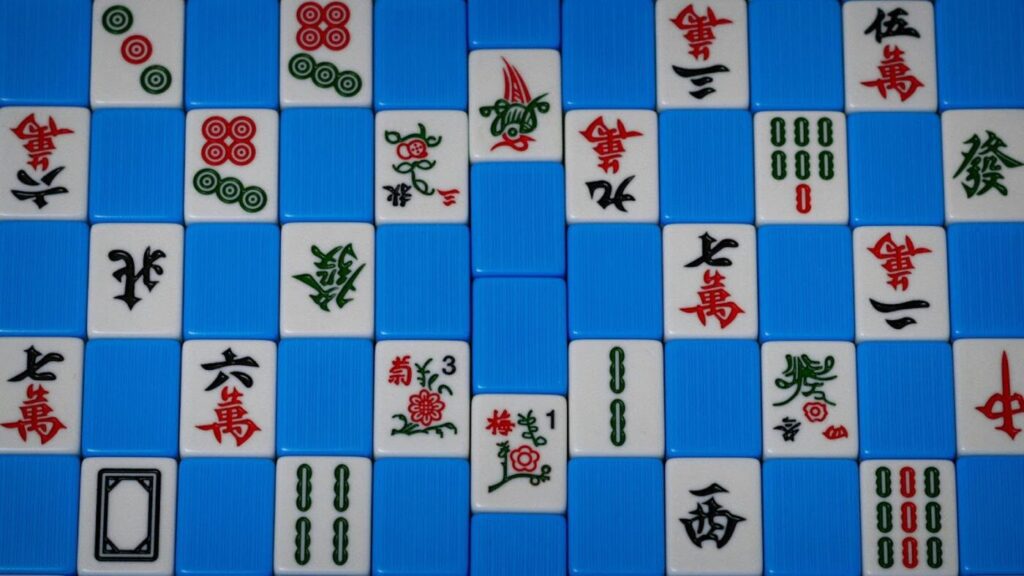
Mahjong has always been more than just tiles and tables. It’s a game that mixes sharp thinking with social play, a blend of patience, nerve, and timing. For generations, it carried strong cultural ties in East Asia, often played at family gatherings or in crowded parlors. These days, though, Mahjong has stepped onto a different stage, one that puts it next to chess and bridge as a serious test of skill.
The 2025 World Riichi Championship in Tokyo showed just how far things have come. It wasn’t just another tournament; it was a week that made it clear Mahjong had gone global. Players from around the world gathered under one roof, all following the same rules, competing not for luck but for proof of their ability to read the table and act with precision.
A Championship that Drew the World In
The annual World Riichi Championship (WRC), held July 1st-6th at the Nihonbashi Mitsui Hall, featured players who had practiced for years to attain their seats. The mood was not overly formal. Every man counted, and every little action was scattered through the table.
Kotaro Uchikawa of Japan regained the Main Event, winning his game calmly and getting the respect of those who were experienced and those who were new to the game. His victory brought everyone to the remembrance that Japan still has strong ties to the game and is seen to still be producing players who can still perform under pressure situations.
In the team competition, a combined squad from Portugal and Spain surprised the field by clinching the trophy. Their success told another story that Europe is no longer just an enthusiastic participant but a contender to watch. And with representatives from Hong Kong and across Europe also taking seats, the event had the energy of a World Cup, not just a regional showdown.
As Mahjong grows, so does the network of places where players learn and connect. The Mahjong365 official site is one of those hubs, reflecting how communities now follow the game as both a pastime and a serious sport.
Why Mahjong is Now Seen as a Mind Sport
For a long time, Mahjong carried the reputation of being a casual pastime, or worse, a gambling habit. What’s changed is the way competitions are structured. Standardized rules and formats put the focus squarely on skill.
The WRC ruleset in particular has helped level the field. By trimming out variations and sticking to a single framework, organizers ensure that no player gains an advantage simply because of regional quirks. It’s similar to how chess uses universal rules regardless of where you play.
Another step forward has been the use of duplicate Mahjong, where players across different tables face the same hands. It’s a way to strip luck out of the equation and highlight who makes the best decisions under identical circumstances. That shift has been key to Mahjong being taken seriously as a sport of the mind.
The Work Behind the Scenes
The Mahjong International League (MIL) has played a central role in coordinating national associations and laying the groundwork for events of this scale. More than 50 countries now have groups tied into this network, which means more players have access to tournaments, rankings, and a clear path to the world stage.
The long-term goal is to see Mahjong included alongside other mind sports on the global calendar. Talk of recognition at the World Mind Sports Games has been steady, and while the Olympics might sound ambitious, it’s no longer out of the question.
This structure has done more than just raise the sport’s profile. It’s given players from outside Asia a way to train, qualify, and measure themselves against the best. When the Portugal/Spain team lifted their trophy in Tokyo, it wasn’t just a win for them; it was proof that the system works.
A New Generation at the Table
Something else is shifting: the faces of the players. For years, Mahjong was tied to older generations and private clubs. That image is changing. Programs in Japan, Europe, and parts of Asia now teach Mahjong not as gambling but as a puzzle of memory, probability, and discipline.
Online platforms let beginners try the game at their own pace. This broad base of new players doesn’t just ensure Mahjong’s survival; it makes it thrive.
It’s easy to see why new audiences are drawn in. The game has the drama of competition but the depth of logic, offering both excitement and intellectual challenge. That mix is hard to resist, especially when tournaments show how far dedication can take you.
2025’s Crowded Calendar
Tokyo was the centerpiece, but it wasn’t the only big event this year. The competitive calendar has been busy, reflecting just how global Mahjong has become.
Nanyang Modern Mahjong Mindsport Tournament (Singapore): A showcase of Mahjong as both heritage and sport, mixing tradition with modern formats.
New international cups: From Europe to Southeast Asia, organizers are launching fresh competitions that give more players the chance to experience high-level play.
For fans, this means there’s always another event to follow. For players, it’s a chance to test their skills against a wider field. The more tournaments appear, the stronger the game’s global foundation becomes.
What Comes Next
As the WRC wrapped up in Tokyo, Gemma Sakamoto, President of the championship, summed up the feeling in the hall:
“The World Riichi Championship has become a truly global event, showcasing the passion and skills of players from around the world. I am confident that we will witness an even higher standard of play.”
Her words carried weight. Participation is at record levels. Innovations in online Mahjong platforms, esports-style competitions, and the visibility of live-streamed events are drawing in new audiences worldwide. This digital shift not only keeps long-time players engaged but also introduces the game to adults discovering it for the first time in a competitive format.
Professionalism is also rising. Structured leagues, dedicated coaches, and online broadcasts are making Mahjong easier to follow and more approachable for players who want to sharpen their skills.
Wrapping Up
From Uchikawa’s measured victory to Europe’s breakthrough team triumph, the championship gave a snapshot of what Mahjong has become: a true mind sport with international credibility. The packed schedule of events in 2025 and the growing involvement of younger generations suggest that this is just the beginning.
Competitions are no longer just preserving the game; they’re pushing it forward. Mahjong now sits firmly on the world stage, not as a curiosity but as a sport where skill, focus, and strategy win the day. And for players and fans alike, that’s a future worth watching.