
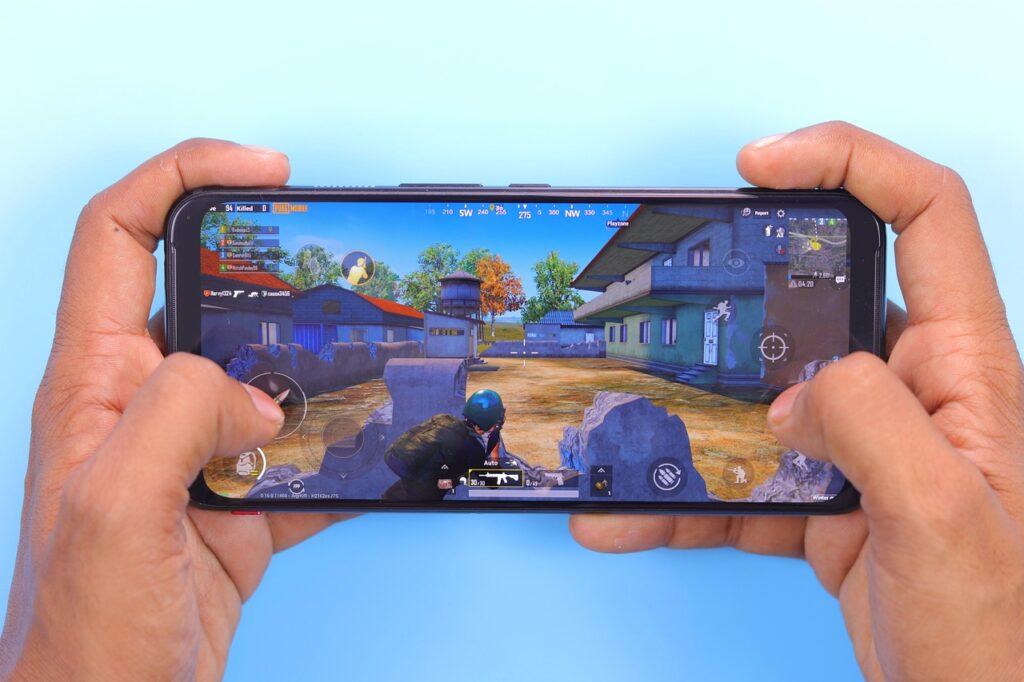
Mobile gaming used to mean a few rounds of Tetris or some quick puzzle while you were waiting for the bus or maybe killing time in a line somewhere. But somewhere along the line, that changed. Players started wanting something that made them think a little, something they could sink their teeth into instead of just tapping away for a few minutes. Card-based strategy games started filling that space, giving people the sort of planning and patience that older dungeon crawlers were once famous for. It stopped being about passing time. It became about figuring things out, about learning how the system works, about seeing a bit of progress every time you play.
Short Sessions, Long Reflections
There’s something strange about how these games stay with you. A match might last five minutes, ten at most, but you keep replaying it in your head afterward. You wonder about that one card you could’ve played differently. You tell yourself you’ll try a new approach next time. Each draw feels like a small risk, kind of like opening a door in a dungeon not knowing what’s behind it. That mix of luck and planning is addictive. You don’t have to play for hours either; a few quick decisions can feel just as satisfying.
Strategy Through Casino-Inspired Play
Another side of this whole trend lives in digital casino games, where skill and luck bump into each other every few seconds. People who love building decks and out-thinking opponents often test those same instincts in online casino apps. A solid example of this would be through blackjack apps. They move fast but they quietly ask you to focus. Every round feels like a small puzzle: when do you risk it, when do you pull back, when do you trust instinct over what looks logical? It’s not all luck. It’s patience, and nerve, and a bit of reading the moment, which is like playing a slow game against probability itself.
The Satisfaction of Progress
Progress is what keeps you around. Old dungeon crawlers did it with loot and levels. Mobile card games do it with better decks and smarter tactics. It’s funny because improvement sneaks up on you. One day you just realize you can read an opponent faster, spot patterns sooner, sense when to take a chance. It’s quiet progress, the sort that grows from repetition more than reward. You earn it inch by inch, and that makes it feel worth something.
Shared Worlds and Online Rivalries
What keeps these games alive is the people around them. It reminds some players of old message boards where folks swapped stories about bosses or hidden rooms. Now it’s screenshots of wild wins or threads arguing about which deck is overpowered. Facing real players makes it unpredictable in the best way. You can’t repeat the same move forever; someone always figures it out. Some matches go badly, some end in ridiculous comebacks. You talk about both. That back-and-forth, that constant adjustment, it’s what builds a community.
Gaming That Fits Into Everyday Life
Part of the charm is how easy these games are to fit into a day. Phones are strong enough now that they can handle complex mechanics without feeling clunky. Developers figured out controls that just make sense to swipe or tap. You can play while waiting for your coffee or just before going to bed. It doesn’t demand hours; it fits between things. That’s why so many people play who have never touched a console before. It slides into your life without taking it over.
Storytelling Through Cards and Art
It surprises a lot of new players how much story hides inside a deck of cards. The art, the short bits of text, the way certain symbols or names keep showing up; all these factors work to slowly build a gaming world. After a while, those cards start to feel familiar, like characters in a book you’ve read too many times. Developers use just enough sound and color to give it atmosphere without long cutscenes or dialogue. Each match adds a small detail to that story. You might not notice it right away, but it’s there, tucked between the choices you make.
Keeping Things Fresh With Updates
Developers know attention drifts if nothing changes. So instead of giant expansions, they roll out new cards, short events, or temporary modes that shake things up. Suddenly everyone’s trying to figure out the new best combo or complaining that a card is too strong. It sparks arguments, keeps the chats alive. That constant tinkering gives the games a long life, way longer than most people expected when phone gaming first took off.
The Rise of Competitive Play
Competition has become its own world inside mobile card gaming, and it’s surprisingly intense once you start looking closer. There are tournaments now, full live streams, commentary, which is everything you’d expect from bigger gaming scenes. Players study their decks like students cramming for finals, going over probabilities, remembering sequences, practicing again and again until it just clicks. Watching a tight match can make your stomach knot a little because one bad draw or one wrong play can undo everything. The crowds might not fill big arenas, but you can feel the focus, the nerves, the energy. It’s kind of wild how far mobile strategy has come when you consider that it was once something people played on commutes now treated with the same respect as serious competition.
The New Meaning of Adventure
The sense of adventure is still there; it just looks different. You’re not wandering through dark tunnels anymore, fighting monsters or looting treasure. Instead, you’re battling through decisions and trying to stay calm while luck throws you curveballs. There’s tension in knowing that even the best plan can fall apart, and yet you still try to hold it together. You don’t need maps or story cutscenes to feel immersed because the adventure happens in your head, between each move and each bit of hesitation. It’s slower, more thoughtful, but still full of that same risk and reward that dungeon crawlers had. Only now, the exploration happens through strategy instead of footsteps.
Conclusion
For many players, these mobile card games have quietly taken over the space dungeon crawlers they once owned. They ask for patience, attention, and a willingness to learn through failure. Each quick match feels small at first, but after a while, you realize it carries the same kind of satisfaction as clearing a dungeon or finishing a quest. Whether someone’s experimenting with a fantasy deck or trying their luck with blackjack, the feeling isn’t all that different. Every move matters. Every mistake teaches you something new. It’s steady, thoughtful fun; the kind that rewards persistence more than luck. And maybe that’s why people keep coming back, one careful hand at a time.