
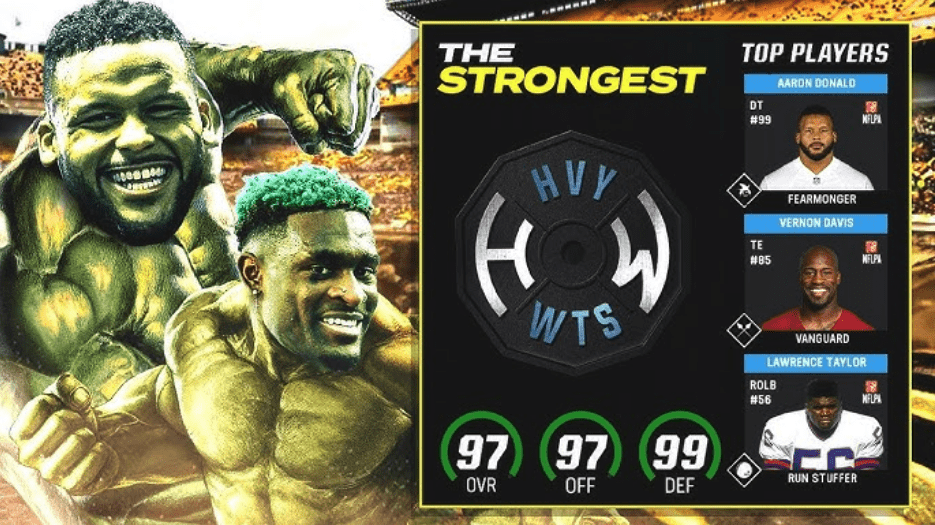
This article examines how professional football franchises operate like dedicated gamers optimizing character builds: they collect stats, create synergy, and plan for the endgame. From drafting rookies with upside to negotiating multi-year contracts, from advanced metrics driving personnel moves to salary-cap chess; the process is as much about strategic orchestration as raw talent.
Statistical Foundations in Franchise Building
Teams across the league are leaning into sophisticated analytics to shape roster decisions, play-calling, and long-term planning. Advanced metrics such as turnover differential, net punting average, and defensive passer rating give a truer picture of performance beyond wins and losses. The rise of data-driven decision-making in the NFL reflects a shift from gut instincts to evidence-based models.
The Next Gen Stats system now includes motion tracking, acceleration, throw trajectory, and more. For teams, these inputs mean that player athleticism, route-running efficiency, and situational impact can be quantified.
Franchises that embed these statistical tools into draft preparation, in-game decisions, and roster management gain a competitive edge. The Cleveland Browns have been rated among the top for advanced quantitative work and decision-making usage among NFL clubs.
Just like gamers accumulate base stats—strength, agility, intellect—teams build baseline metrics such as yards allowed per game, red-zone touchdown rate, and third-down conversion rate. Those metrics form the foundation for further optimization. Once baseline metrics are recorded, franchises aim to refine them, improving efficiency on both sides of the ball and maximizing every opportunity.
Drafting Smart – Rookie Value and Contract Leverage
Teams prioritize rookies because of cost control. Rookie contracts come with a set of wage scale, allowing organizations to allocate cap space elsewhere. With the Combine producing massive data streams—every 0.1 seconds of movement data fed into machine-learning models—franchises can better assess prospects’ probability of success. Certain positions show a higher return on investment from analytics studies, such as pass rushers or wide receivers, so teams draft accordingly.
Just as gamers hoard resources, teams trade down to accumulate picks and spread risk across rookie contracts. The Cleveland Browns famously traded down to build draft capital, selecting players like cornerback Denzel Ward and quarterback Baker Mayfield.
Rookies come cheap in years one through four; then comes the pivotal decision: extend, restructure, or let them walk. Teams plan for when contracts escalate, balancing short-term value with long-term sustainability.
Contract Architecture – Maximizing Value & Managing Cap
For the 2024 season, the salary cap was set at approximately $255.4 million per team. Teams must structure contracts, bonuses, guarantees, and incentives to fit within that limit.
Top quarterback deals illustrate how teams allocate resources. Patrick Mahomes signed a 10-year, $450 million deal averaging $45 million annually with $63.08 million guaranteed at signing and $141.48 million in practical guarantees. Josh Allen signed for six years at $330 million, averaging $55 million per year, with $147 million guaranteed at signing and $250 million practical guarantee. Lamar Jackson’s five-year, $260 million deal averages $52 million per season with $135 million guaranteed.
Contract structuring often involves converting base salary into signing bonuses, which are prorated over up to five years, creating immediate cap relief but future commitments. When a player is released early, remaining prorated bonuses accelerate as dead money.
Contracts also include roster bonuses that trigger if a player remains on the roster by a certain date. These do not prorate and count fully in the year paid. Teams use performance incentives to reward production rather than guarantee all money upfront, preserving flexibility. Just as gamers allocate upgrades in phases, NFL franchises stagger expenditures. They leverage rookies, sign stars, extend key contracts, and restructure deals to maintain cap space and prepare for the endgame.
Synergy – Aligning Personnel, Scheme & Culture
A unified vision under ownership, front office, and coaching staff lays out the groundwork for consistent execution and synergy. Teams draft or sign players who not only have stats but also fit the scheme, such as a pass rusher who excels in pressure rate or a receiver with a high targets-per-route-run ratio. Analytics help evaluate compatibility. Organizations with lower turnover—front office stability and coaching continuity—create long-term synergy and sustained growth.
Like a balanced party in a role-playing game, offense, defense, and special teams must each contribute effectively. Special-teams efficiency, including field-goal percentage and net punting average, often decides close games. Franchises build from within by developing rookies, mid-level contributors, and core starters, maintaining a steady internal pipeline instead of relying solely on expensive free agents.
Endgame – Contending, Winning & Sustaining Excellence
When core players’ costs rise and contracts escalate, teams enter a “contending window.” They must maximize performance during that finite period. As stars age or cap hits become restrictive, teams restructure, release, or retool rosters. Managing transitions smoothly prevents complete collapses.
Sustained success comes from winning while under cost control, then reinvesting wisely. It mirrors gamers completing one stage of content and gearing up for the next. Franchises measure long-term positioning using metrics like win probability added (WPA), expected points added (EPA), and success rate on third down. When the end of a contention phase approaches, smart organizations start rebuilding early while keeping synergy intact and resetting their salary structure.
Analytics Adoption and Organizational Maturity
Teams ranked as the most analytics-friendly include the Cleveland Browns, Detroit Lions, and Indianapolis Colts. The Lions under head coach Dan Campbell went for it on fourth down in 33 percent of opportunities during 2023, compared to the league average of around 20 percent, showing trust in data-driven aggressiveness. Successful organizations blend scouting expertise, coaching insight, and analytics instead of relying solely on one area.
Having data access is one thing; interpreting and applying it effectively to roster moves, game planning, and contract negotiations is another. Many teams are expanding analytics departments, integrating analysts into positional meetings and even game-day communications, signaling full organizational maturity.
Strategic Asset Management & Risk Control
As contracts escalate, guaranteed money and average annual salaries rise sharply, forcing teams to allocate resources carefully. Draft picks are treated as cost-controlled assets, like how gamers accumulate mid-tier upgrades before investing in legendary gear. High-value contracts carry higher risk, such as potential injury or performance decline, which teams offset by using incentives and contingency clauses.
Maintaining cap flexibility for future years is critical to staying competitive amid unexpected changes. Avoiding large dead-money hits when contracts are sour is equivalent to avoiding bad builds in gaming—good management prevents long-term losses.
Holistic Franchise Building – More Than Just On-Field Stats
A franchise is more than its win-loss record. Brand strength, community engagement, and sustainable operations matter. Investments in coaching, player development, sports science, and analytics infrastructure build long-term competitiveness.
Creating a culture of winning is essential. Just as gamers build strong guilds or teams, franchises need a shared ethos and commitment to success. Revenue generation through stadium deals, media rights, and sponsorships allows franchises to reinvest in analytics, facilities, and development programs.
The winning organization aligns roster construction, culture, finances, and branding toward a single strategic goal.
Practical Takeaways for Franchise Builders (and Gamers)
Teams should treat players as both assets and upgrades, selecting not only for raw ability but also for system fit and synergy with the current roster. Prioritizing cost-controlled value—rookies and role players—creates flexibility for extending or acquiring elite talent later.
Understanding advanced metrics and tracking systems, especially through the use of NFL player stats, empowers smarter team-building decisions. Managing contracts like resource pools ensure bonuses, guarantees, cap hits, and dead-money exposure remain under control. Handling a team is a full-time job with the amount injuries, transactions and retirements.
Franchises must plan beyond a single season, targeting both immediate contention and sustained long-term success. Finally, synergy always trumps isolated brilliance. A well-balanced roster with complementary strengths will outperform a collection of uncoordinated stars.
True championship teams understand that cohesion is not built overnight — it is cultivated through trust, shared goals, and consistent communication. Every player must understand their role within the system and how their contributions impact the team’s overall performance. When individuals buy into a unified vision and sacrifice personal accolades for collective achievement, the result is a roster capable of adapting, thriving, and sustaining excellence year after year.
Building a modern NFL franchise is much like min-maxing a character in a complex game: maximizing strengths, minimizing inefficiencies, plan for the endgame, and manage resources with precision. Through statistics, contracts, synergy, analytics, and culture, teams can build sustained excellence year after year.