

Image by robertobaumgartel on Freepik
Anyone who has spent hours at the table, whether as a player or behind the screen, knows that tabletop RPGs are as much about endurance as they are about imagination. A great session isn’t just built on clever storytelling or balanced encounters; it relies on sustained focus, steady energy, and the ability to stay present from the first roll to the final scene.
The challenge is that most sessions don’t last an hour or two. They stretch. Four hours becomes six. A quick one-shot turns into an all-day campaign. And somewhere in that stretch, energy dips, attention drifts, and even the best narratives start to lose momentum.
The difference between a good session and a memorable one often comes down to how well players and DMs manage that hidden layer: focus and energy over time.
The Energy Curve of a Session
Most RPG sessions follow a predictable pattern. There’s an initial surge of energy at the start, people are engaged, ideas flow quickly, and interactions feel sharp. Then, gradually, things begin to slow. Decisions take longer. Attention splits. The pace softens.
By the later stages of a session, even highly invested players can feel mentally fatigued.
This isn’t a flaw in the game. It’s simply how sustained cognitive engagement works. RPGs require constant attention: tracking mechanics, interpreting narrative cues, responding to other players, and staying immersed in a shared world. Over time, that demand adds up.
Understanding this energy curve is the first step toward managing it.
Building a Sustainable Start
What happens before a session often determines how it unfolds.
Jumping straight into a long game without preparation, mentally or physically, can make it harder to maintain focus later on. A rushed start tends to carry forward, creating a slightly scattered tone that persists throughout the session.
Many experienced players and DMs develop small pre-session habits to counter this. Not structured routines, but simple adjustments that help them settle in.
This might include taking a few minutes to review notes, setting expectations for pacing, or even being more intentional about how they begin the session physically, what they eat, drink, or how they transition into game mode.
For some, this has extended to rethinking basic habits like their go-to pre-session drink. Instead of relying solely on quick caffeine spikes, alternatives such as Ryze have started to appear in these routines, particularly among players looking for a steadier, more sustained level of focus. Interest often begins with understanding the broader mushroom coffee benefits, but what keeps people experimenting is how those choices affect their energy across the entire session, not just the first hour.
Managing Focus at the Table
Once the session begins, maintaining focus becomes a shared responsibility.
For players, this often means staying engaged even when the spotlight shifts. Active listening, note-taking, and responding to other players’ actions help maintain a sense of involvement, even during quieter moments.
For DMs, pacing is key. Long stretches of slow decision-making or overly complex encounters can accelerate fatigue. Breaking the session into natural segments, moments of action, exploration, and narrative, helps maintain variety and keeps attention from plateauing.
Short, intentional breaks can also make a significant difference. Even stepping away for five to ten minutes allows the mind to reset, making it easier to re-engage with the game afterward.
The Role of Physical Comfort
Focus isn’t purely mental. Physical comfort plays a surprisingly large role in how long players can stay engaged.
Uncomfortable seating, poor posture, or even minor physical strain can gradually pull attention away from the game. Over time, this becomes a form of background distraction that reduces overall immersion.
This is particularly relevant for players who participate in long or frequent sessions. Sitting in the same position for extended periods can lead to tension or discomfort that builds throughout the game.
Some players have begun to address this more proactively, exploring ways to reduce strain and improve comfort during sessions. This can include adjusting seating, incorporating movement during breaks, or, in some cases, looking into solutions like thc gummies for nerve pain as part of managing longer-term discomfort. The goal isn’t to alter the experience of the game, but to remove physical barriers that can interfere with staying present.
Hydration, Nutrition, and Mental Clarity
Basic factors such as hydration and nutrition are often underestimated in gaming environments.
Long sessions tend to blur together, and it’s easy to forget to drink water or rely on snacks that provide quick energy but little stability. This can lead to fluctuations in focus and mood, especially in the later stages of a session.
Consistent hydration and balanced food choices help maintain a more even level of energy. This doesn’t require strict planning, just a bit of awareness. Keeping water accessible, choosing snacks that don’t cause rapid spikes and drops, and avoiding over-reliance on stimulants can all contribute to a more stable experience.
Mental Stamina and Immersion
Sustained focus is closely tied to immersion.
When players are fully engaged in the world, attention feels natural. Time moves differently. Decisions flow more easily. But as fatigue sets in, that immersion becomes harder to maintain.
This is where session design plays an important role. Varied pacing, meaningful choices, and opportunities for player interaction all help sustain engagement. When players feel involved, they are more likely to stay mentally present.
At the same time, individual awareness matters. Recognising when focus is slipping allows players and DMs to adjust, whether that means taking a break, shifting the pace, or simply resetting attention.
A More Sustainable Approach to Play
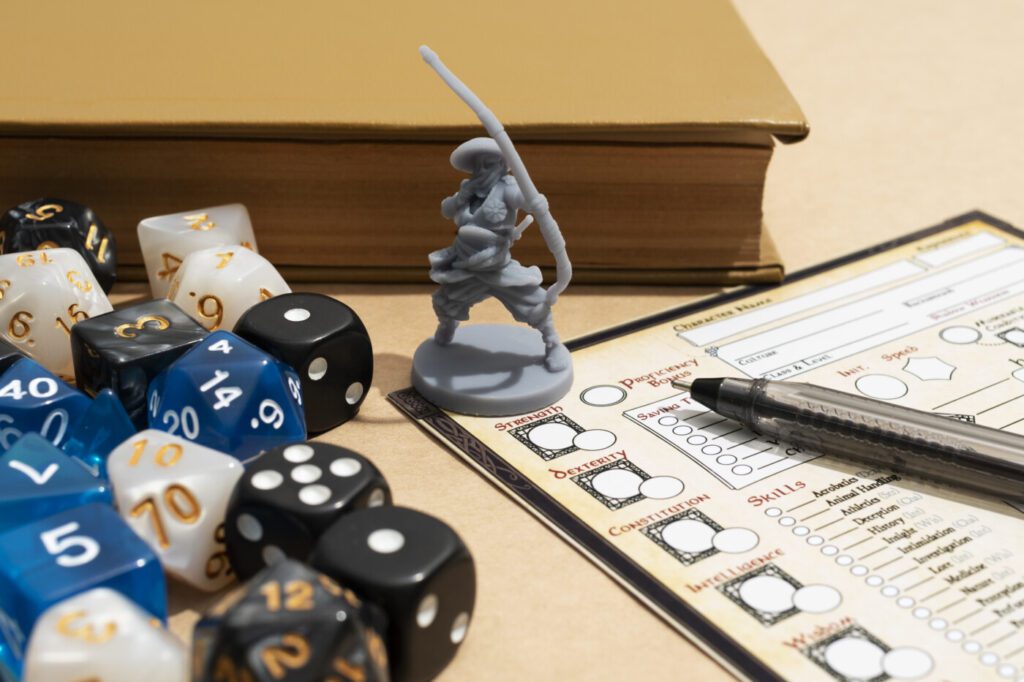
Image by Freepik
The most effective approach to long RPG sessions is not about pushing through fatigue, but about managing it.
Small adjustments, before and during the session, can significantly improve how the experience unfolds. These changes don’t need to be dramatic. In fact, the most effective ones are often the simplest.
Understanding your own energy patterns.
Making small tweaks to your routine.
Creating a more comfortable physical setup.
Allowing space for breaks and resets.
Over time, these factors shape how consistently you can stay engaged.
What Keeps a Session Memorable
At its best, a tabletop RPG session feels seamless. Players are present, the story flows, and time seems to pass without friction.
Achieving that state isn’t just about creativity or preparation. It’s about maintaining the conditions that allow those elements to thrive.
Research and insights from organisations like the American Psychological Association highlight how sustained attention and cognitive performance are closely linked to factors such as rest, physical comfort, and consistent energy levels. While these findings are often applied in academic or professional settings, they translate directly to long-form activities like tabletop gaming.
Staying in the Game
Long RPG sessions are part of what makes tabletop gaming so compelling. They allow stories to unfold gradually, characters to develop, and shared experiences to deepen.
But they also require a level of endurance that often goes unacknowledged.
By paying attention to the small factors that influence focus and energy, players and DMs can create sessions that not only last longer, but feel better from start to finish.
And in a game where immersion is everything, that can make all the difference.