
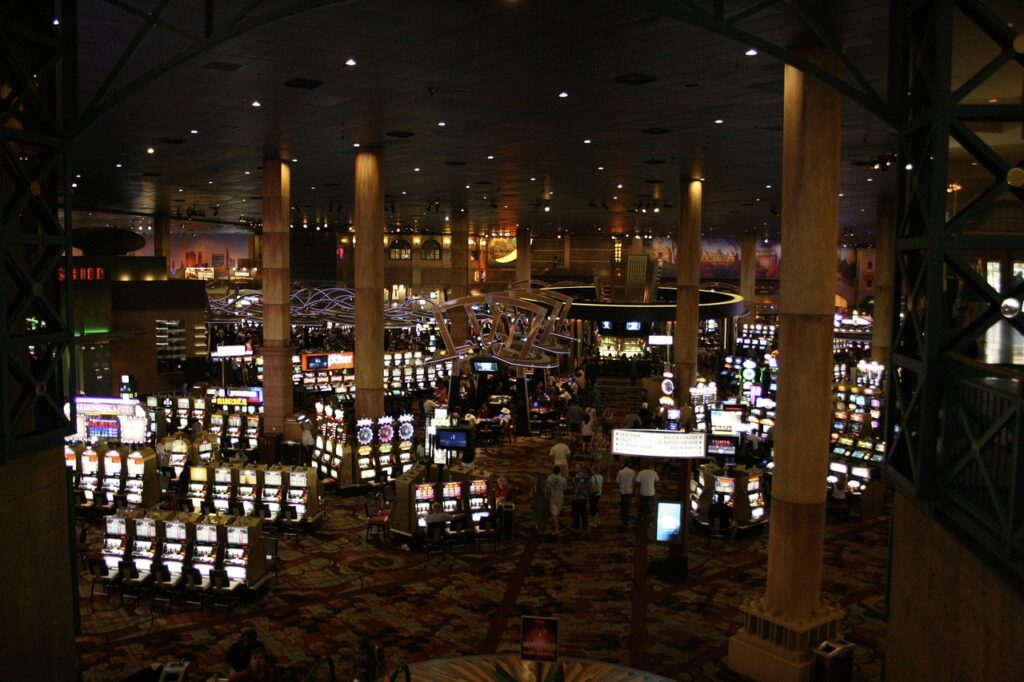
Designing a casino for your thieves’ guild in any tabletop role-playing game provides a base for your operations and a social hub that encourages more than interpersonal skills. Research has confirmed that TRPGs improve interpersonal communication, individual or group problem-solving, and even emotional regulation skills. However, these guild halls and taverns found in many campaigns have nothing on a casino designed to deliver more than social benefits.
Casinos acting as social hubs in TRPGs can increase the storytelling layers by combining strategy, gambling, and hidden quests that support character development and guild reputation. Design this kind of social hub for the next TRPG using our tips that combine unusual NPCs with games of chance and some rivalries. Allow every visit to become a new opportunity for players and visitors to change their stories.
1. Incorporate Engaging Games
You need players wanting to return to the casino, which starts by introducing the right games. Add a variety of casino games, including slots with many features that players enjoy. A slot game designed with an Ancient Roman theme uses familiar icons and sounds on the unique dual-reel system that even improves a player’s chance of winning if they play for actual money. The scatter and wild symbols combined with multipliers appeal mentally and visually, and free spins and stacked wilds encourage players to keep spinning the reels.
You should also introduce strategy-based games like different poker variants that sharpen a player’s skills while allowing them to form new alliances around the table and interact with a range of unique NPCs, sometimes even facing off against rivals. The player’s decisions will change as the tension builds, and they could unlock secrets or alter relationships with NPCs through these games. Dice games, roulette, blackjack, and even baccarat also work well.
2. Use Complex But Unique NPCs
Every NPC has the ability to change narratives in a social hub. Dealers could launder funds through the casino games, while regular patron NPCs may even be former spies who are collecting intelligence about rivals. Security-based NPCs may work undercover as thieves from rival guilds, while a pit boss could be running side hustles that unlock secrets or hidden plots and quests.
What matters is that every NPC is unique and has a distinct personality and goals that match. Design unique objectives and motivations for the NPCs, adding depth and complexity to their characters and allowing players to change narratives based on their interactions with specific NPCs. Encounters will become more unpredictable and allow new alliances, quests, and negotiations.
3. Deploy Frequent Side Quests
Mystery and discovery allow social hubs in TRPGs to flourish. Host frequent events that invite players and encourage them to discover new plot twists through eavesdropping from balconies. Let them uncover a smuggled artifact hidden under a table. Invite players to follow a series of coded messages that help them unlock a carefully designed side plot. Players can reveal side quests through their game choices, observation, or interaction with NPCs.
For example, you can stage a cheating incident that lets observant players discover a new smuggling ring. Implement subtle clues in the environment to encourage players to investigate when there’s an odd pattern in the card draw or a weird ledger lying around. Layer the experience within the casino, allowing it to reward curiosity.
4. Use Space Effectively
A casino’s layout can impact the tactical decisions and social interactions of players. Balconies could become the vantage point players use to overhear planned secrets and conversations that lead them to new quests. They can also offer players a surveillance point to observe NPCs and other hidden clues in the casino.
Strategic lighting can also guide players to find high-stakes gaming areas or security vulnerabilities that let them discover hidden passages. Use sound effects like cheers, murmurs, and coins clinking to create an atmosphere. Use secret rooms, hidden stairways, and distraction stages that welcome performers. Design the layout with your plot twists and dynamic changes in mind to make the casino feel alive.
5. Monitor Reputations
Casinos monitoring player reputations can see how they win games, negotiate favors, or expose cheaters, rewarding the player with access to VIP lounges, limited NPC interactions, and secret quests. Casinos can also ensure hostile encounters and add more challenges for players with bad reputations and those known for cheating.
A dynamic reputation system that rewards players’ engagement and provides exciting or hidden opportunities will keep players coming back to the social hub. Allow every decision to result in some form of consequence, making the casino a well-known space for narrative progression and hidden or unpredictable twists.
6. Change Conditions Constantly
The environment and its conditions must change as often as the players come and go to ensure better engagement and add tension. Plan staged distractions that allow curious and observant players to find hidden secrets while others are watching the show. Stage an unexpected inspection from the guild leaders to encourage players to adapt fast. Sudden changes will keep sharp players on their toes and help them design new narratives when they can adapt.
You can add new games unexpectedly or allow an NPC to spread rumors about a theft. All that matters is that you’re constantly changing the conditions in which players interact with the social environment. It makes the casino feel more dynamic.
7. Let Players Change the Storyline
Casinos will unlock their best potential if they allow players and their storylines to change how the social hub develops a narrative. Characters often enter the casino with hidden talents, debt, and ongoing rivalries, which can benefit the space and guild if that storyline is allowed to change the casino’s narrative.
Encourage players to make decisions that introduce plot twists. Let them spy on rivals and schemes in the dark corners you provided, and allow them to negotiate new alliances and favors that make the casino more memorable. It shows how the social hub has become adaptive to its players and surroundings, making it more interactive and appealing.
Conclusion
Every design decision must drive engagement, immersion, and memorable encounters for those who come into the space with good reputations. Allow players to change the casino’s storyline while the casino offers plenty of opportunities to change player narratives, creating a two-way relationship that keeps them coming back. It all begins with unique NPCs, popular games, and hidden quests that intrigue and excite.