
When the ale runs dry and the dice stop clattering, a rogue’s appetite for risk rarely fades. Outside the tavern walls lie sharper games, tighter margins and opportunities that reward nerve, wit and timing.
A rogue’s downtime is never quiet time. It is a time of pause, of planning, testing instinct and seeking out the next adrenaline rush. Aside from the more common tavern games, countless others offer challenges that require no steel at all, leaving brains and nimble fingers to do the work while reputations are shaped and refined.
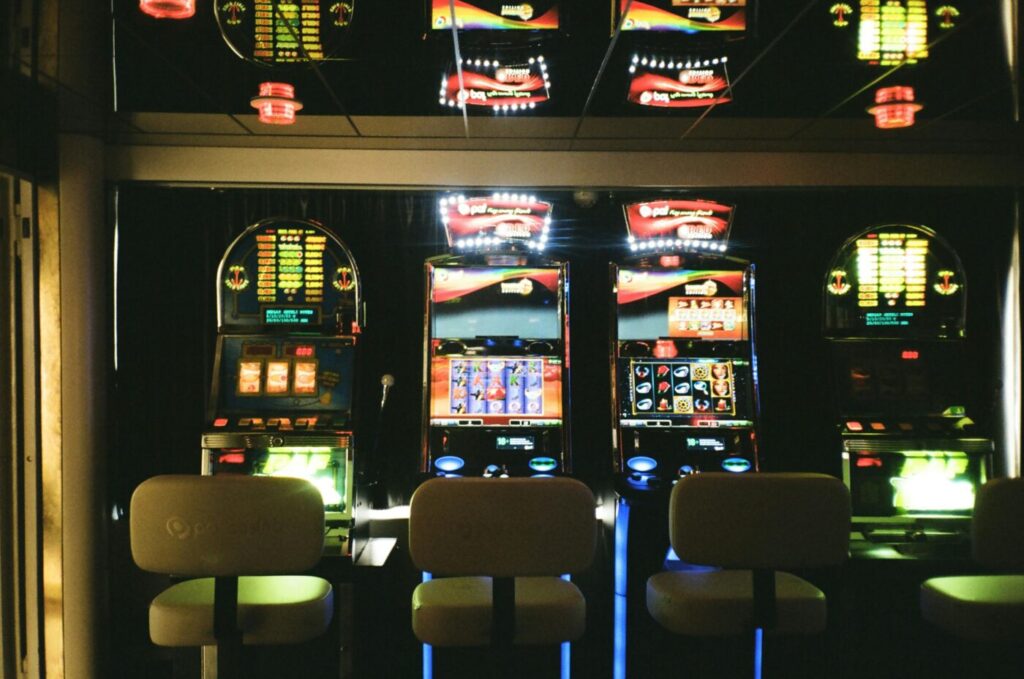
Exciting Slot Machines
Slot games have also moved beyond their original environments and entered the realm of leisure activities. This type of entertainment appeals through the most straightforward of means: suspense. A moment of action, with immediate resolution, has a certain tempo that people find themselves drawn to. There are no rules that need to be committed to memory.
In the digital world, this experience has also been made more streamlined. Online sites mirror this format but offer some flexibility in when and how the experience is accessed. Curated sites, like thegameday.com/online-casinos/, show just how these experiences have been made readily accessible. The appeal is no longer about show or presentation. It is simply about having the chance to experience the moment of chance in a schedule-friendly format that fits well within existing activities. Therefore, for some individuals, slot-style gaming has truly made for an efficient experience.
Casino Table Games With Friends
Table games are a different story altogether. These games have an interactive aspect to them. They involve observation to a large degree. Observing reactions, noticing tendencies and managing personal presence become an experience in itself. These games usually involve slow play, allowing players to modify their strategy.
Many find table games appealing because they involve both structure and randomness. It isn’t only important to be aware of one’s social surroundings but also to grasp the gameplay itself. Dialogues, breaks and subtle social cues define these environments. As an activity, table games provide social interaction, an opportunity to maintain one’s mind active and a chance to appreciate the intersection of tactics and dialogue in an active, rather than passive, manner. The social aspect introduces complexity to these environments.
Competitive Escape Rooms
Escape games have become an increasingly common way for people to occupy non-work time. Escapes revolve around time-sensitive problem-solving, where the goal is for the players to use clear thinking in order to solve unfamiliar puzzles. Escapes are designed so that one puzzle builds upon the next.
The attraction lies in the combination of team effort and each individual’s contribution. Every person has a different point of view and success is as dependent upon communication as upon vision. Such situations favor calm thinking and flexibility. As a pastime, escape rooms turn idle time into an engaging activity that invigorates rather than exhausts and improves cooperative abilities and flexibility of mind. The shared success experience lasts long after the escape room adventure ends.
Live Trivia and Quiz Events
Trivia games offer a different outlet that is both fun and engaging, unlike trivia contests. Trivia games involve recall, insight and confidence. The tempo of trivia games is usually fast, which helps sustain high energy levels without being exhausting or tiring.
These events also foster curiosity in general. The questions range from broad topics. This makes the preparation for the event informal and ongoing. With time, frequent attendance can improve memory functions as well as linguistic ability. Hosting trivia events can be easily incorporated into people’s busy lives because they offer a combination of entertainment and conversation.
Another factor working in their favor is their flexibility. Live trivia/quiz options can occur in different settings, making them easy to tailor to other times. Whether the activity occurs in an informal setting or online, it fits well into tight slots without tying people up for an extended period. Hence, they provide an opportunity for people to engage in something that excites their minds without being too taxing.
Virtual Tournaments and Leagues
Organized tournaments and leagues provide a healthy arena for expressing the urge to compete. All these activities are carried out in cyberspace, where the participant’s abilities must be based on strategy and adaptability, rather than mere physical presence.
One of the key attractions is flexibility. People choose when to participate and how visible they want to be. Progress is measured over time, which rewards patience and preparation. As a form of downtime activity, virtual competition offers engagement without pressure, allowing individuals to focus on steady improvement, personal benchmarks and long-term enjoyment rather than immediate results or constant comparison. This structure supports sustained interest.
High-engagement downtime does not have to be noisy or prolonged. Functions that involve focus or emphasis on awareness and balance can be enjoyable activities that also have a grounding effect. In that way, individuals can actually construct their leisure activities so that they are meaningful, engaging and satisfying, just as everyday routines continue to change in their lives.