
Sooner or later, almost every fantasy campaign reaches the same point. The party defeats a monster, survives some questionable decision involving explosives, and eventually ends up in a tavern. Because where else would adventurers go after risking their lives all day?
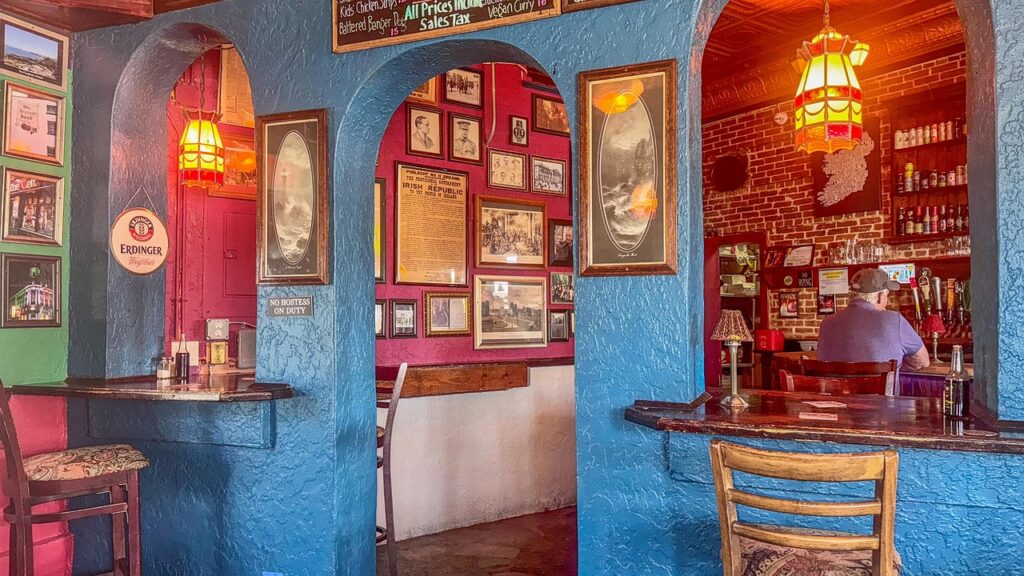
The problem is that many taverns start feeling exactly the same. There is always a tired bartender polishing the same mug, somebody playing music in the corner, and at least one mysterious stranger who clearly exists only because the Dungeon Master wants to start the next quest. Players notice this surprisingly quickly.
That is why small details often make the biggest difference. A crowded gambling table, a local card game nobody fully understands, or a group of merchants betting on pit fights can instantly make a location feel alive. Suddenly the tavern feels less like a quest hub and more like a place where actual people spend their evenings.
Why Gambling Fits Fantasy Worlds So Naturally
If you think about it, gambling makes perfect sense in most fantasy settings. People have always enjoyed taking risks, especially in worlds where tomorrow is never guaranteed. Merchants gamble because they are bored during long journeys. Sailors gamble while waiting for the weather to change. Soldiers gamble between battles. Adventurers gamble because, honestly, if somebody willingly enters a dragon’s cave, losing a few silver coins probably does not seem particularly dangerous.
Adding gambling activities immediately creates atmosphere. Players start overhearing conversations, meeting unusual characters, and finding reasons to stay in a location longer than originally planned. Sometimes an entire side quest can begin because somebody lost far more money than they should have. Sometimes the local gambling table becomes a better source of rumors than the town notice board.
Not Every Game Needs to Be About Money
One mistake many game masters make is assuming gambling must always involve gold. In reality, some of the most entertaining tavern games involve completely different stakes. Information. Favors. Equipment. Secrets. Future services. A noble might wager access to a restricted library. A smuggler might bet information about a hidden route through the mountains.
Suddenly a simple dice game becomes much more interesting than another handful of silver pieces changing hands. Players usually remember these moments because the consequences feel meaningful. Nobody tells stories years later about winning twelve gold coins. They do remember the time someone accidentally won a map leading to a forgotten ruin or talked themselves into ownership of something they absolutely did not want.
Tavern Games Can Reveal Character Personalities
Gambling scenes are also surprisingly useful for roleplaying. The cautious wizard who calculates every probability. The reckless barbarian who immediately bets everything. The rogue who spends more time cheating than actually playing. Even simple games often reveal more about characters than another combat encounter.
Because the risks are usually smaller than life-or-death adventures, players often feel more comfortable making decisions based on personality rather than optimization. The pressure is lower, which usually leads to better roleplaying. Some of the funniest moments in long-running campaigns come from situations where characters are free to make bad decisions without risking total disaster.
Inspiration Exists Far Beyond Traditional Fantasy
Interestingly, modern game designers often borrow ideas from all kinds of gaming systems when creating fictional gambling mechanics. Some focus on card combinations. Others use progression systems, bonus features, multipliers, or risk-reward mechanics similar to what players already recognize from modern digital games.
If you are trying to design tavern games that feel engaging, it can actually help to look at how different gaming systems structure rewards and player decisions. Collections of Wincraft casino games showcase a wide range of mechanics, themes, bonus structures, and progression systems that can easily inspire fantasy card games, magical dice tables, arena betting systems, or other tavern activities without directly copying anything.
The goal is simply to understand what makes a game exciting and then adapt that feeling to fit your world.
Gambling Can Create Stories Without Combat
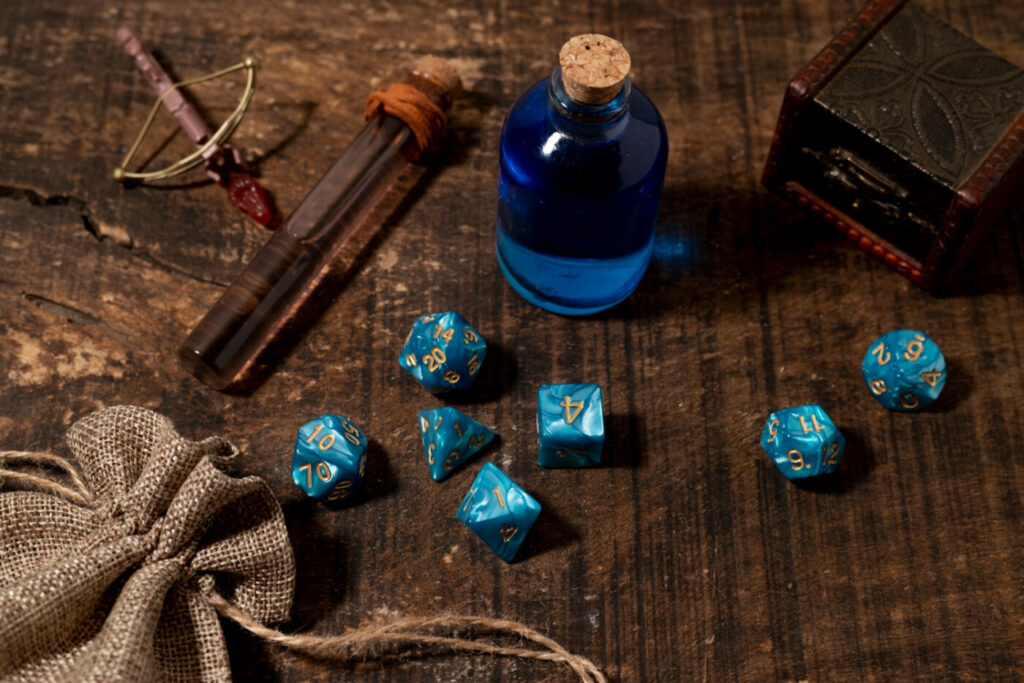
One of the best things about tavern gambling is that it creates tension without requiring anyone to draw a sword. A player needs one more winning roll. A suspicious opponent keeps smiling for some reason. Somebody in the crowd clearly knows something they should not know. The stakes continue growing while nobody leaves their chair.
That kind of tension feels completely different from combat, but it can be just as entertaining. In some campaigns, players end up talking longer about a single gambling session than about the boss fight that happened two weeks earlier. The uncertainty, the social interaction, and the possibility that everything could suddenly go wrong often create memorable stories almost by themselves.
Keep It Simple
The biggest secret is that tavern gambling systems rarely need complicated rules. Many game masters spend hours designing elaborate mechanics that players interact with exactly once. Most of the time a simple system works much better. A few dice. Clear stakes. Fast rounds. Interesting consequences.
The real value does not come from mathematical depth. It comes from the stories that emerge around the table. Nobody remembers the exact probability calculations afterward. They remember the moment the bard somehow won a horse, the cleric accidentally started a feud with a merchant guild, or the rogue got caught cheating by the one person in town who happened to be better at cheating than they were.
And honestly, those are usually the stories people keep telling long after the campaign ends.