
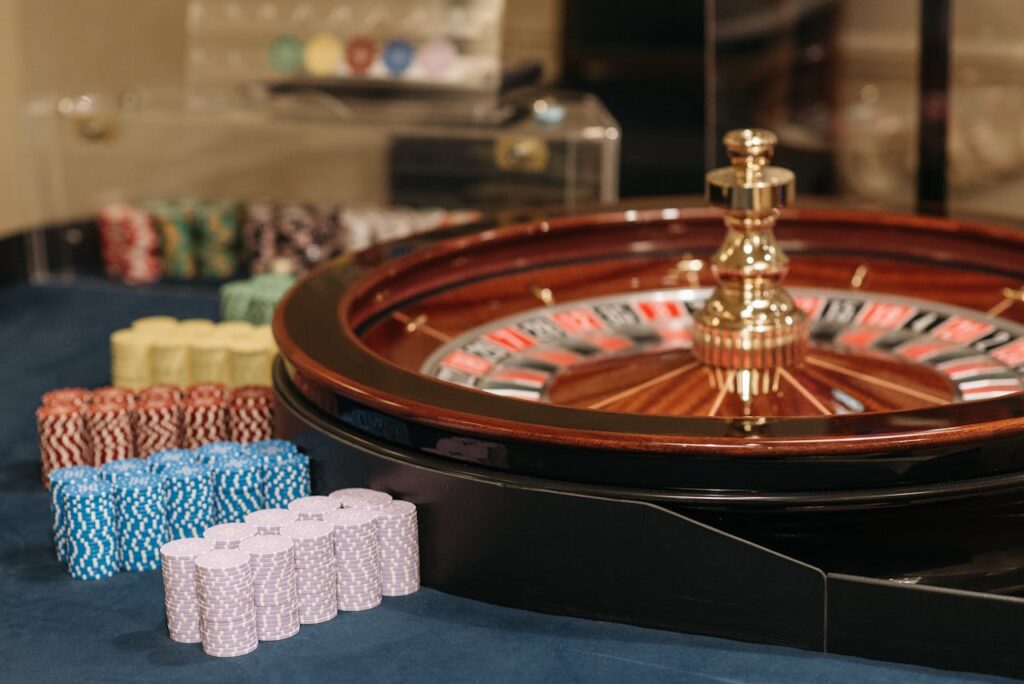
It’s hard not to notice a shift happening at the intersection of tabletop gaming and the world of casinos. What once seemed like two very separate spaces are blending together, especially when it comes to how loot is handed out during campaigns.
Across gaming tables, homebrew creators are adding more than just random dice rolls—they’re weaving in slot machines, card draws, and roulette-inspired twists. The feeling of anticipation, the hope for a big score, and the suspense that comes with every reveal mirror the emotional ups and downs of real gambling.
Why are these casino-style mechanics resonating so much with players and game masters? Their growing popularity hints at a deeper craving for excitement and unpredictability in our games. As this pattern becomes more obvious, it’s worth exploring what it says about how we play and what we hope to find at the heart of our adventures.
Players recognize familiar casino patterns in homebrew loot tables
As GMs and designers get creative with loot tables, players are increasingly noticing when the excitement feels a little too familiar. Slot machines, card draws, and roulette-inspired mechanics are popping up in homebrew rules, and for players with casino experience, the resemblance is unmistakable.
There’s a growing sense of anticipation before rolling for loot, much like the silent tension that builds before a slot machine lands or a card is flipped. Even the language used at some tables—talking about “pulls,” “spins,” or “lucky streaks”—mirrors what you’d hear in a real casino. This shared vocabulary brings a certain playful edge, letting fantasy settings tap into real-world emotions without ever breaking immersion.
Players often compare their in-game experiences to actual gambling settings, sometimes referencing platforms like PokerioMokykla when discussing the similarities. The thrill of taking a risk and the hope of a big win are universal, and these motifs slot neatly into fantasy adventures. It’s not just about the treasure—it’s about the moment of possibility, the quickened heartbeat, and the celebration or groan that follows.
As these patterns repeat, some groups even start to look forward to loot rolls as much as the battles they follow. The table’s social energy shifts, with players speculating about odds, telling stories about wild wins, or joking about their luck. It’s clear that casino mechanics are doing more than spicing up loot—they’re adding a new layer of engagement that many players now seek out on purpose.
The emotional arc: why casino-inspired loot feels exhilarating
That excitement players feel when a loot roll comes up isn’t just luck—it’s a purposeful design that mirrors the emotional swings of real-world casino games. Every spin of a virtual slot or dramatic card draw taps into anticipation, hope, and sometimes dread, much like waiting for the roulette ball to settle or the cards to turn. The result is a surge of adrenaline that’s hard to replicate with static loot tables, making even small rewards feel like real victories.
Homebrew creators are intentionally crafting these moments, drawing from the psychology of gambling to hook players’ emotions. The buildup before a roll, the suspense as the outcome is revealed, and the celebration (or groan) that follows all echo the classic highs and lows found in casinos. Games like the Loot Slot Machine module for Foundry Virtual Tabletop illustrate just how immersive these experiences can be, using animations and sound effects to heighten the tension and make every pull memorable.
What makes these mechanics so powerful is the unpredictability. Players never quite know if this will be the time fortune smiles on them, which keeps the table buzzing and encourages everyone to stay invested in each moment. This emotional rollercoaster often rivals the drama of boss fights or plot twists, giving even side encounters a sense of importance and excitement.
If you’re interested in layering this kind of luck-based play into your own campaigns, resources like Games of Chance in RPGs offer practical ideas for weaving these mechanics into NPCs and encounters. The bottom line is clear—by harnessing the emotional arc of casino play, homebrew loot tables are transforming the way groups experience rewards and setbacks at the table.
How randomness changes group dynamics at the table
Once the emotional highs and lows of casino-style loot take hold, the energy at the table shifts from individual anticipation to something more communal. What used to be a private loot roll now becomes a shared experience as everyone leans in to watch the outcome of a spin or a card draw. Players cheer, groan, and sometimes even playfully argue about who should take the next chance, turning loot distribution into a lively group event.
This shift in dynamics does more than spark a few laughs—it actually reshapes how players interact throughout the session. The unpredictability of slot machine modules or card-based loot creates new rituals, like chanting for a big win or ribbing each other for taking risks. Some groups even start negotiating or bluffing about their willingness to gamble, blurring the line between character roleplay and real social interplay. The popularity of digital modules such as the Loot Slot Machine for Foundry Virtual Tabletop shows just how quickly these habits are spreading, as more tables adopt casino-inspired features to enhance engagement.
These collective reactions mirror the environment found in actual casinos, where every spin or deal is a potential event for everyone involved. The randomness adds a layer of camaraderie but can also spark competition and tension, especially when a rare item is on the line. Players find themselves more invested not just in their own luck but in the fate of their group, fueling stories and inside jokes that last long after the session ends. For those interested in digging deeper into these evolving social patterns, Applying Gambling Mechanics explores the balance of risk, reward, and group psychology in tabletop settings.
Design escalation: from simple dice rolls to virtual slot machines
Following the rise in group rituals and risk-taking described previously, it’s clear that the appetite for casino-inspired mechanics is only growing. What began as a few extra card draws or dice roll twists has now evolved into something much more ambitious. Today, designers are pushing the boundaries by turning traditional loot tables into full-fledged mini-games, borrowing not just the odds but the spectacle of casino experiences.
One of the most striking examples of this trend is the Loot Slot Machine module for Foundry Virtual Tabletop. Instead of simply rolling a die to see what a character finds, players watch animated reels spin and stop, mirroring the suspense and visual drama of a physical slot machine. The excitement comes not just from the outcome but from the anticipation built by flashing lights and spinning graphics—features that would feel right at home in a real casino.
This appetite for casino flair isn’t limited to digital tables. The “Ace of Spades: A D&D Drop-In Casino” project on crowdfunding platforms exceeded funding expectations, a clear sign that the community welcomes these innovative blends. The project didn’t just add randomness; it offered a crafted experience, letting players immerse themselves in in-game gambling halls with their own unique rules and loot systems. Such projects show how designers are reimagining what loot can mean in a campaign, turning it into an event in itself.
Commercial publishers are also getting in on the act. Play’n GO’s “Loot & Labyrinths” slot game, released in April 2025, fuses the thrill of strategic dice rolls with slot machine mechanics, all set within a fantasy world. Players encounter situations where their loot fate hangs on a spin, blending tactical play with chance in a way that feels both modern and rooted in TTRPG tradition. These developments signal a broader shift—loot generation is no longer just a background mechanic but a source of shared excitement and narrative energy, inviting everyone at the table to experience a little of the casino magic.
a double-edged sword: reflection and responsibility in introducing casino mechanics
This new era of loot tables brings undeniable excitement, but it also asks designers and GMs to think carefully about the experience they’re shaping. The thrill of randomness, especially when wrapped in casino motifs, can energize a session and draw players in—yet it’s easy for that excitement to tip into frustration or even mimic the addictive patterns found in real gambling.
Balancing the fun with moderation is becoming part of the conversation, especially as casino-inspired systems gain traction in both homebrew creations and commercial projects. Some tables find that these mechanics heighten immersion and group energy, while others worry about overshadowing character development or narrative depth. Even with innovations like the Loot & Labyrinths slot game setting new standards for casino-themed adventures, the question remains: how much chance is too much, and when does the spectacle detract from the story?
As these mechanics become more common, thoughtful reflection is key. The choices made by designers and play groups will shape not just the excitement of their campaigns, but the kind of stories and memories those games create.