
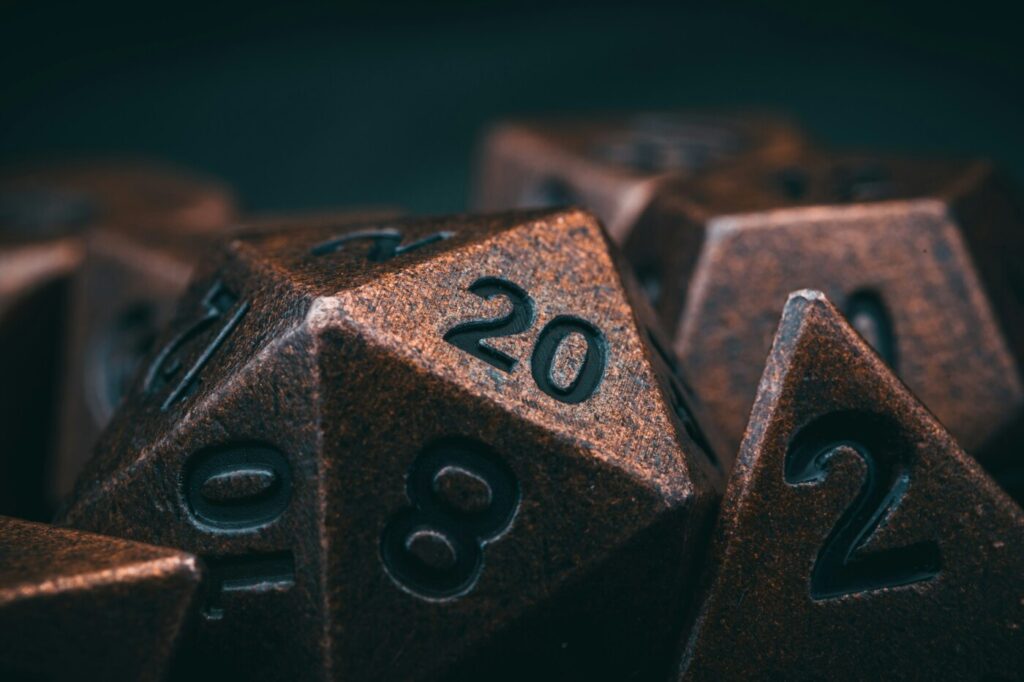
Figure 1 D&D has been around for generations, could it really make the move to esports? – Source: Unsplash
Dungeons and Dragons is a global cultural phenomenon. From the original games to movies and hit TV shows, D&D has continued to attract new fans and players for over 50 years now and is probably the most well-known title of its genre. The fact that Dungeons and Dragons is known by so many who have never even played the game surely proves that.
As with many other cultural landmarks, there have been numerous attempts to expand its universe, some more successful than others. Although it is, at its most basic, a tabletop role-playing game, it is also so much more. There is already a history of trying to turn Dungeons and Dragons into a video game, but with the continuing popularity of Esports, could this be the next move?
Esports have taken over the gaming world, with professional players becoming as famous as traditional sports athletes, and all the best sports betting platforms offering markets for fans to back their favorites in the big events. Establishing Dungeons and Dragons as an esport would be huge for the game – but is it possible?
Table-Top to Virtual
The clue is in the name of the style of game Dungeons and Dragons is. D&D is a fantasy role-playing game, but it is crucially a table-top pastime. Although this is not an insurmountable problem, for D&D to become a top esport, it would need to enter a more digital realm.
There are already systems in place that turn physical D&D games into virtual, digital versions, and this is something that would have to be expanded if the title were to become an even bigger esport title. Although gamers could theoretically play in the traditional way, a digital version would be needed for big events, tournaments, and streaming.
Competitive Play
One of the most obvious elements of any esport is its potential for competitive play. Player versus player, or PvP, is necessary for any game trying to become a popular esport, and this is an area that Dungeons and Dragons has covered. Although it might not always be the most important factor for traditional players, there is inherent competition.
Competitive D&D has taken off as newer players have been influenced by video games, and now, the rise of esports. There are formats of the game that more resemble the types of titles that have gone on to become popular esports. There would seem to be the potential to tweak these events and tournaments further to fit the requirements for an esport game.
Streaming Events
This is an element of esports that some might have originally thought would not work with Dungeons and Dragons. The whole point of playing the game was surely to be actually playing the game yourself. But, perhaps influenced by modern gaming culture, there are many fans who are quite happy to watch others play.
Streaming of events is crucial to any esport title, as it helps grow the community and fan base, and provides another opportunity for money to be invested in the game. Dungeons and Dragons obviously already has the thriving community that is needed for any esport, it would just need that community to also want to watch live streamed games.
Collaboration Issues
Any esport needs to come with a high skill cap. That is, the game is easy to pick up but difficult to master. This allows for as many people as possible to be attracted and to take time playing the game, but adds the possibility for only a few elite players to actually become the stand-out professionals.
Dungeons and Dragons would seem to be able to pass this test on its way to becoming an esport, but the collaborative nature of the game might cause more problems. Although we have already mentioned the competitive, PvP versions, D&D is traditionally loved for its teamwork element, and that is not something commonly found in the esports gaming world.
Random Dice Rolls
Another potential issue for Dungeons and Dragons is the fact that much of the beauty of the game is in that it is propelled by its dice rolls. These random actions move the game on in directions unforeseen, and arguably make it what it is. This randomness is something to cherish, but not something that is commonly found in esports.
Esports tend to favor a skill-based way of playing, and this helps with the high skill cap factor that creates the hierarchy needed for competitive play. Could Dungeons and Dragons remain the same kind of experience if the random dice rolls are excluded in favor of moving the game on with skill-based tasks?
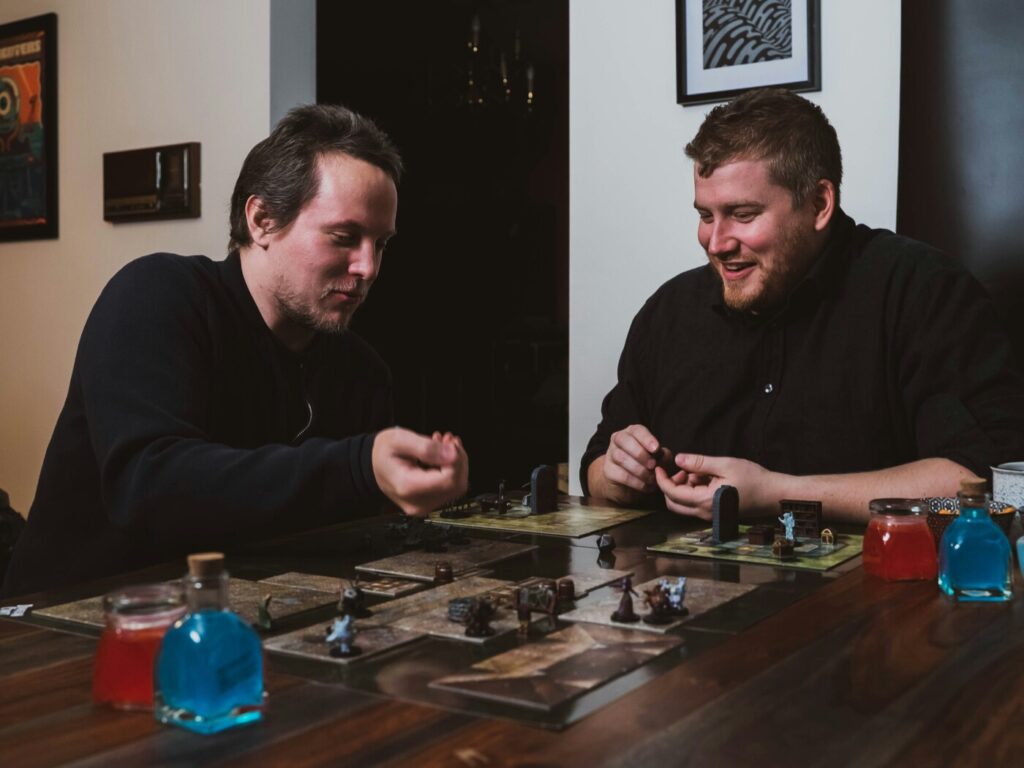
Figure 2 Part of the attraction of table-top games for many is the teamwork and collaboration – Source: Unsplash
Do We Need a D&D Esport?
The most important question here is possibly not if Dungeons and Dragons could become an esport, but whether it has to. There are the obvious new demographics to attract, and the potential to make D&D an even bigger phenomenon than it already is. But do we really need to change the core elements of the game in order for that to be the case?
Dungeons and Dragons has evolved over the last 50 years or so, and there are already different versions and iterations of what has become a much-loved game. Esports might be the current way to make money and attract audiences in gaming, but Dungeons and Dragons is already well-established. There would seem to be ways that it could become an esport, but it could also happily remain the popular game it is today, and has been for generations.