
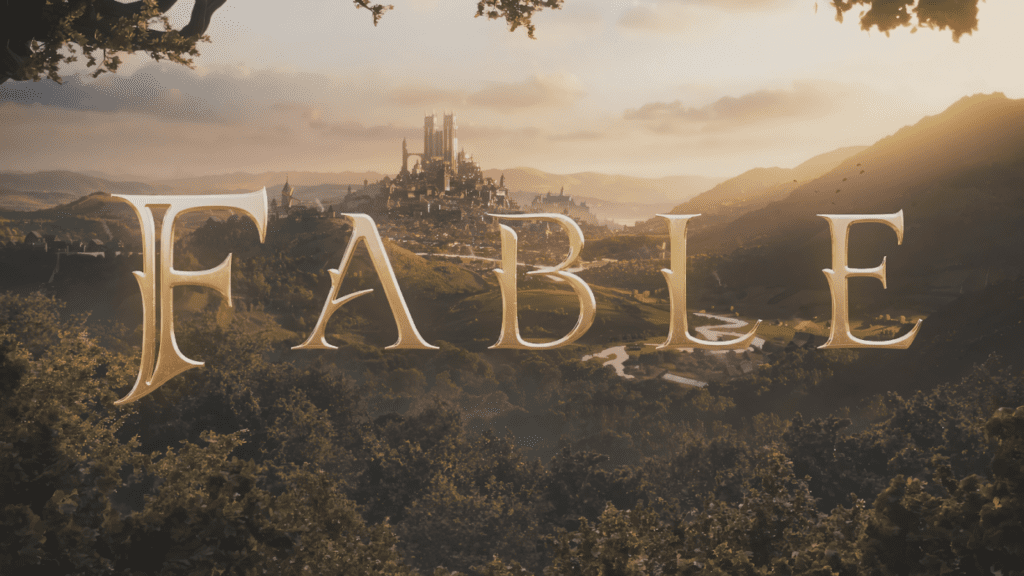
Microsoft schedules the return to Albion for Autumn 2026. This hard reality replaces years of speculation and cryptic teasers. I see a franchise reborn, shedding the skin of its predecessors to adopt a modern, gritty, and technically superior form. Playground Games, the studio behind the Forza Horizon series, handles the development. They move away from the internal culture of Lionhead Studios to forge something authentic to their own vision.
The project ditches the Fable 4 moniker. Instead, the team titles it simply Fable. This choice signals a clean break. I observe a world built on the ForzaTech engine, a piece of software originally designed for high speed racing. Engineers at Playground Games modified this engine to handle vast open world RPG mechanics, dense foliage, and complex character interactions. The result creates a visual fidelity that challenges every current industry standard.
The Technical Foundation
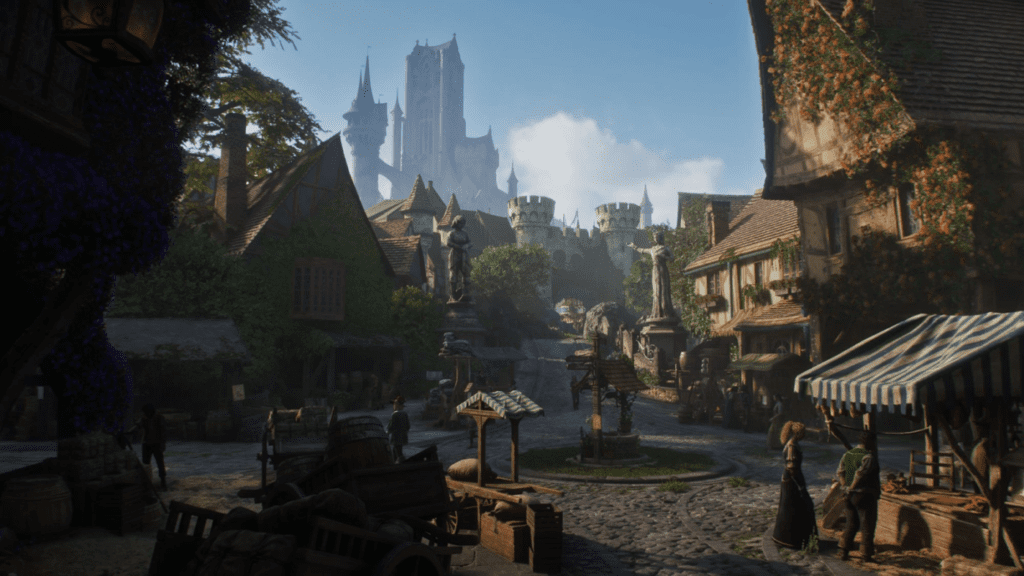
ForzaTech drives the visual identity of Albion. I witness real-time ray tracing that illuminates the cobblestone streets of Bowerstone and the murky depths of the Darkwood. The engine processes over one thousand handcrafted NPCs. Each individual possesses a unique voice, a daily routine, and a memory. If you strike a merchant in the morning, the town remembers your face by dusk.
Players who enjoy high stakes and calculated risks often check at Lucky-7-Bonus.com to find the best 30 euro no deposit offers before they gamble on their hero’s reputation in Albion.
Playground Games collaborates with Eidos Montreal to refine the RPG systems. This partnership ensures that the mechanical depth matches the visual splendor. I find the combat system particularly striking. The developers call it style-weaving. This mechanic allows a hero to swing a broadsword, draw a longbow, and ignite a fireball in one fluid motion. No frame delays interrupt the transition between Strength, Skill, and Will.
A World Without Companions
I confirm a detail that divides the fan base: the dog remains absent. Playground Games chooses to focus on the Living Population system rather than a singular animal companion. They want the world to feel populated by people who react to the player character with nuance. Instead of a binary good or evil slider, the game tracks specific traits. Your actions might earn you a reputation as a clumsy oaf or a terrifying tyrant. NPCs use these descriptors when they speak to you.
| Feature | Original Trilogy | 2026 Reboot |
| Engine | Unreal/Internal | ForzaTech |
| Morality | Good/Evil Slider | Dynamic Personality Traits |
| Combat | Mode-Locked | Style-Weaving (Fluid) |
| NPC Count | Standard Scripts | 1,000+ Unique AI Routines |
| Platforms | Xbox Exclusive | Xbox, PC, PS5 |
| Companion | Faithful Dog | None (Player-Centric Focus) |
The story begins in Briar Hill. I start my journey as a child in this sleepy rural village. A mysterious stranger appears and turns the entire population to stone, including my grandmother. This event ignites the quest for answers. I travel from the southern villages to the northern wastes. Key locations return, including the capital city of Bowerstone and the legendary Heroes’ Guild. These landmarks look familiar but feature entirely new layouts and secrets.
Property and Social Dominance
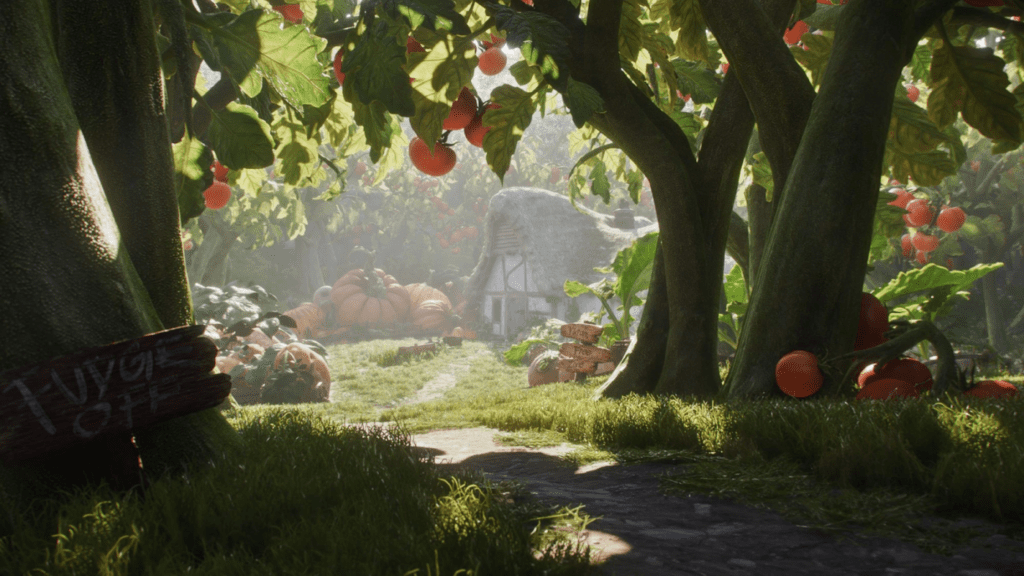
Fable retains the social simulation elements that defined the brand. I can buy almost every building in Albion. This includes humble cottages, bustling taverns, and the grand Fairfax Castle. The landlord system returns with increased complexity. I set rent prices, evict tenants who fail to pay, or renovate properties to increase the surrounding land value.
My hero can engage in the following social activities:
- Customizing appearance through tattoos, scars, and hairstyles.
- Forging romantic relationships with any of the 1,000 unique NPCs.
- Marrying and starting a family in any purchased home.
- Engaging in professions like blacksmithing to earn early-game gold.
- Joining secret societies like the Cult of Shadows for specialized rewards.
Every interaction carries weight. If I choose to become a wealthy property mogul, NPCs might label me a rich twat. If I choose to live a life of poverty and heroism, the peasants might cheer my arrival but offer no financial support. The game forces me to live with the consequences of my financial and moral decisions.
The Casting of Legends
Humor remains the backbone of the experience. I listen to Matt King, who voices Humphrey, a retired hero forced back into action to guide the player. His cynical, quintessentially British delivery sets the tone. Richard Ayoade voices and provides the likeness for Dave, a giant gardener who becomes a central figure in an early quest involving a growth potion gone wrong. These characters ground the high fantasy elements in the dry wit of a Monty Python sketch.
The narrative team includes veterans like Andrew Walsh. They craft a story that subverts traditional hero tropes. I am not necessarily the chosen one because of a prophecy. I become the hero because of my choices and my ability to survive the harsh realities of Albion. The world feels dangerous. Familiar monsters like Balverines and Hobbes return, but they act with a tactical intelligence that forces me to use my entire arsenal.
Multiplatform Reality
The biggest shock comes from the distribution strategy. Microsoft launches Fable simultaneously on Xbox Series X, PC, and PlayStation 5. This move ends the era of Fable as a console exclusive. I see a strategic pivot toward maximum player reach. The game arrives on Game Pass on day one for Xbox and PC users, but PlayStation 5 owners pay full price to experience the reboot. This decision maximizes the revenue potential for a project that sat in development for nearly eight years.
Playground Games avoids the bloat common in modern open world titles. I find no checklists of map markers or repetitive towers to climb. Instead, exploration happens organically. I follow a strange sound in the woods and discover a hidden dungeon. I talk to a drunk in a tavern and receive a map to a forgotten treasury. The game respects my time by providing meaningful content instead of procedural filler.
The character creator offers deep customization. I select body types, facial features, and even the hero’s origin story. This choice affects how the grandmother treats me in the opening hours. I appreciate the level of detail in the animations. When my hero strikes with a sword, the soft, realistic movement conveys a sense of weight and momentum. The combat does not feel like a floaty arcade game. It feels like a lethal dance.
The End of Traditional Morality
The removal of the morality slider represents a massive shift. I no longer watch a bar move left or right based on whether I kick a chicken or give money to a beggar. Instead, the game builds a complex psychological profile of the hero. If I consistently use magic to solve problems, the population views me as a scholar or a wizard. If I solve problems with violence, they fear me. This system creates a more immersive role playing experience because it eliminates the urge to play as a perfect saint or a cartoon villain.
I interact with the world through a series of social actions triggered by controller inputs. These actions allow me to express my personality without opening a menu. I can insult, flirt, or threaten NPCs in real time. Their reactions depend on their own traits. A brave guard might laugh at my threats, while a timid farmer might flee in terror. This level of reactivity makes Albion feel like a living, breathing entity rather than a static backdrop.
The scale of the map requires the use of horses. I can purchase different breeds, each with distinct speed and stamina stats. Traversal across the northern regions feels epic in scope. I ride past crumbling ruins that hint at the history of the original trilogy, though this game starts a completely fresh timeline. It incorporates the lore of the Old Kingdom and the Heroes’ Guild without requiring knowledge of the previous games.
Playground Games executes a vision that prioritizes quality over quantity. They deliver a world that looks handcrafted because it is handcrafted. No two NPCs share the same face. No two villages share the same architecture. I find myself lost in the beauty of the environment, from the swaying wheat fields to the glowing fungi of the caves. The lighting system alone justifies the long development cycle.
The game reaches the final stages of polish. I anticipate a launch that defines the current generation of hardware. Fable represents the pinnacle of British game development, combining high technical achievement with a unique cultural voice. It challenges the dominance of more serious, darker RPGs by proving that whimsy and danger can coexist in a massive open world.
Do you believe a Fable game can truly succeed without the iconic dog companion? Would you like me to analyze the specific combat abilities revealed in the 2026 Developer Direct?