
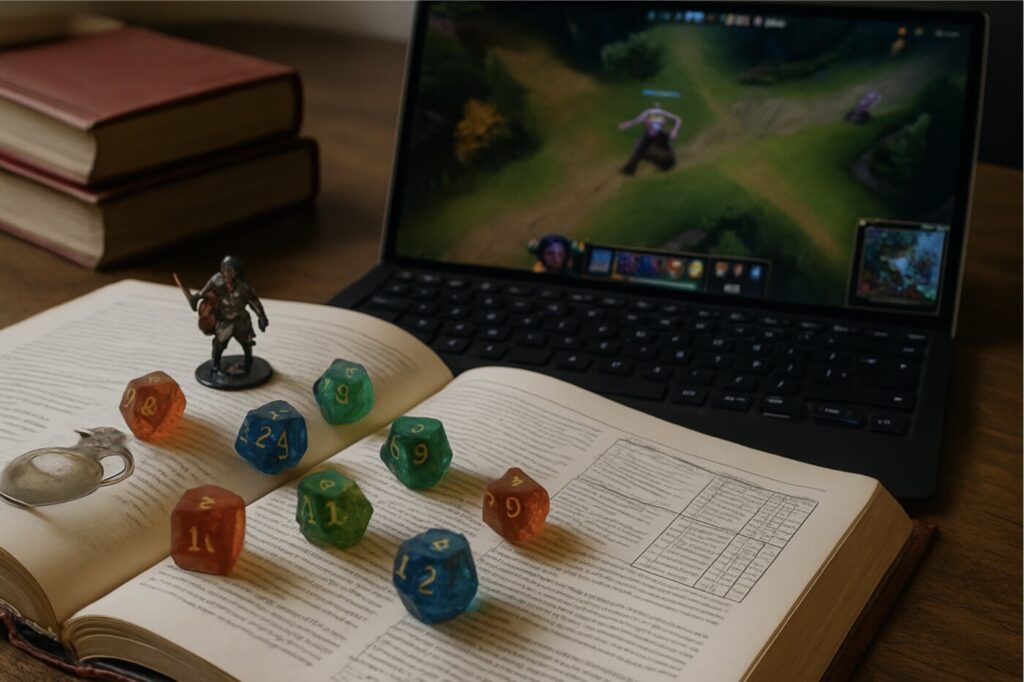
Screenshot
Introduction
The rare item economy intersects digital and analog gaming sectors in 2026, reflecting a measurable shift in user behavior and engagement. As more players become interested in digital collectables, the systems used in major games evolve quickly. Sites focused on random loot mechanics profoundly affect how players view item rarity and value today. Sites specializing in cs new case openings demonstrate how digital rarity creates real player engagement. These experiences often mirror the thrill many tabletop players seek during random magic item rolls. The global digital collectable market grew by 18% over the past year, with player retention in digital games linked to unique drop systems. Organized play communities reported a 22% increase in interest for rare item-focused TTRPG campaigns. Tribality readers expect strategically oriented content that addresses real improvements—understanding how random drops shape play translates into advantages during campaign design. Recognizing both shared concepts and contrasting mechanics prepares readers to adapt effective strategies.
Collecting Rare Items: Tabletop and Digital Contrasts
Rare items serve different functions in tabletop RPGs and digital games. In D&D 5e, magic item rarities follow official gradations: Common, Uncommon, Rare, Very Rare, and Legendary, each providing mechanical and narrative impact. Attunement rules limit power, while homebrew economies shape availability based on campaign context. In digital games, rare skins or loot items derive value from drop rates—average odds for ultra-rare items in popular case opening services can be as low as 0.4%. Tradable digital items maintain out-of-game value because of marketplace interactions. Experts from RPG development and video game design state that in digital spaces, trade and randomization act as core value drivers, while in tabletop settings, narrative significance and group rules remain crucial. For digital item management, systems feature account-based restrictions and statistics tracking. TTRPGs rely on session records and negotiated exchanges. Analysts from Roll20 and D&D Beyond confirm that scarcity in both media boosts engagement by about 15%. Players report higher satisfaction from mixing both traditional and digital approaches to collectables. The choice between controlled uniqueness and open trading determines what motivates different communities.
The Role of Randomness and RNG
Probability mechanics define perceived value. D&D uses dice to introduce random item rolls after treasure or encounter resolution. In digital games, random number generation (RNG) determines loot for each action, with average case openings providing desired items to 1 out of 20 players. Advantages for players include a sustained sense of excitement and new strategies for goal setting. Conversely, random distribution may frustrate users expecting consistency. One TTRPG session might see a custom magical sword appear after rolling 3d6 on a curated magic item table, impacting only 1 out of 7 sessions. Digital systems use RNG to control release cadence and maintain interest. Game designers suggest that TTRPG game masters benefit by blending digital drop logic into milestone rewards, balancing group expectations and discovery moments. Introducing a simple loot table with clear odds lets GMs generate suspense and manage item rarity. Suggested step: assign precise chances and require narrative justification before each roll. This method mirrors video game drop structures and encourages active player involvement.
Marketplaces and Player Economy
Direct player interactions create market dynamics for rare items. Tabletop RPGs structure exchange through downtime trading mechanics and in-game shop rules, sometimes focusing on auction or gifting policies. Digital item economies in 2026 show real-world trade, with popular skins shifting price by 17% quarter-over-quarter due to market speculation. Market sites and aggregators centralize digital item trading, tracking item issuance and ownership to prevent inflation. Both analog and digital systems contend with inflation and devaluation as more copies of an item circulate. In D&D campaigns, regional rules might use a fixed pool approach, restricting magic item sales to guild members or specific towns, which controls scarcity and stabilizes in-game pricing. Digital markets employ transaction limits and cooldown periods. Experts modeling both approaches find that player-driven scarcity management outperforms automated release by 10% in community satisfaction metrics. For readers, the benefit lies in leveraging these systems to regulate flow, stabilize campaign economies, and foster deeper player investment.
Customization, Status, and Player Motivation
Ownership drives long-term engagement. Players seek rare items to signal game mastery or fulfill character narratives. In D&D, legendary items such as the Vorpal Sword represent both status and mechanical benefits, their total number per campaign often restricted to 1 or 2. Digital games replicate this through exclusive or time-limited skins, locked to user accounts. Industry commentators highlight that rare digital skins can exceed $500 in market value, while unique TTRPG artefacts hold primarily narrative worth, cementing reputation in group memory. In 2026, homebrew TTRPG sessions increasingly feature handcrafted, named magic items forged with input from players, ensuring unique personal stakes. Social status and item history motivate return play and group retention. Both markets emphasize limited customization as a retention driver. In digital environments, constraints like account binding maximize user commitment, while in tabletop play, a custom item with documented history achieves comparable results.
Lessons Tabletop GMs Can Take from Digital Economies
Digital economy mechanics refine player retention and fairness. Tabletop GMs exploring these models can safely implement structured item randomization, limited-time access, or milestone-based markets to sustain group attention. Pay-to-win elements should remain absent, as external market forces and uncontrolled RNG can disrupt game balance and discourage collaborative play. Incorporating periodic item trades or auctions tied to in-game milestones introduces economic depth without risking fairness. One step-by-step tip for 2026: set clear rarity brackets for rewards, map narrative events to loot tables, and allow controlled market-like exchanges during periodic downtime. GMs benefit by evaluating player feedback after each market phase, adjusting odds and item pools as group preferences shift. Case studies indicate that campaigns utilizing these hybrid systems retain 12% more recurring players over one year compared to traditional campaign structures. Balance remains secure when changes align with agreed table guidelines and regular review intervals.