
The evolution of mobile gambling over the last decade has gone from awkward technical adaptation to full-fledged digital art. Ten years ago, launching a game on a smartphone often meant a compromise. Developers simply copied the interface from desktop computers, forcing users to squint at small details and struggle to hit tiny control buttons with a finger. Graphics were often scaled back for performance, and complex visual effects remained the privilege of powerful PCs.
Today, the situation has changed radically. A modern mobile slot is no longer the “younger brother” of the computer version. It is an independent visual product with cinematic effects, created specifically for high-resolution screens. Competition for user attention has led to the visual component and interaction comfort playing a decisive role in the success of any entertainment product.
Interface Transformation for Mobile Format
The first and main task of the industry was abandoning the legacy of desktop versions. The smartphone screen has limited space and different ergonomics, so overloaded control panels have become a thing of the past. Designers began removing everything unnecessary, leaving only the action itself on the main screen.
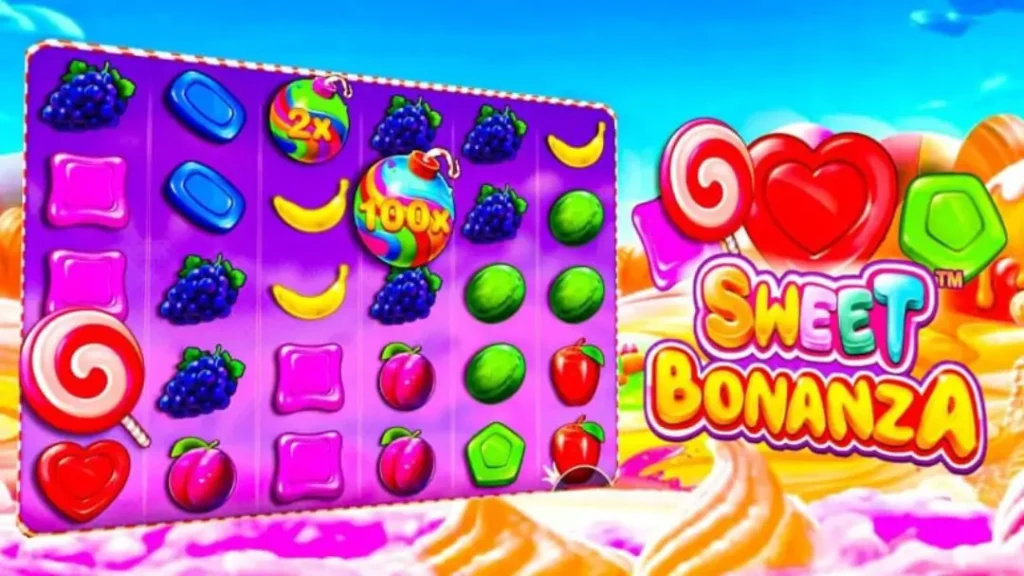
It was at this moment that solutions appeared that set a new quality standard in the industry. For example, the popular Sweet Bonanza app clearly demonstrates the mobile-first approach, where complex game mechanics are packed into an intuitive interface. All secondary settings, such as bet selection or game rules, are hidden in drop-down menus. Only bright symbols and the start button, which fits perfectly under the thumb, remain in the foreground.
Successful adaptation for modern smartphones relies on several key principles:
- Vertical orientation allows playing comfortably with one hand in transport or on the go
- Large control elements eliminate accidental clicks on the touch screen
- Adaptive layout guarantees a clear image on devices with any diagonal
The Role of Color and Animation in Retaining Attention
When control problems were solved, developers focused on the psychology of perception. Mobile games compete for user time with social networks and video services. To retain the player, the picture must be juicy, dynamic, and evoke an instant emotional response. Low-contrast visuals and static layouts typically reduce engagement in high-competition mobile environments.
The visual style of modern slots often borrows techniques from popular casual games. Bright and saturated colors are used intentionally to lift the mood. Smooth animation of falling elements or their interaction creates a pleasant tactile sensation, even through the screen glass. Developers use special visual triggers to enhance engagement
- Using high-contrast color schemes for instant reading of winning combinations
- Dynamic highlighting of important events to solidify success
- Synchronization of visual effects with phone vibration for full immersion
From Spinning Reels to Cascading Effects
The visual revolution also affected the game display mechanics themselves. Classic reel spinning mimicking old machines often looks boring and monotonous on a small screen. Falling blocks, disappearing symbols, or explosions look much more effective. This allows making the process more lively and unpredictable.
A striking example of this approach became the cult Sweet Bonanza slot, where familiar paylines were replaced by a cluster system. Here symbols do not just spin but interact with each other, freeing up space for new elements. This turns every round into a small animation show. The player watches not mechanical rotation but a chain reaction of events.
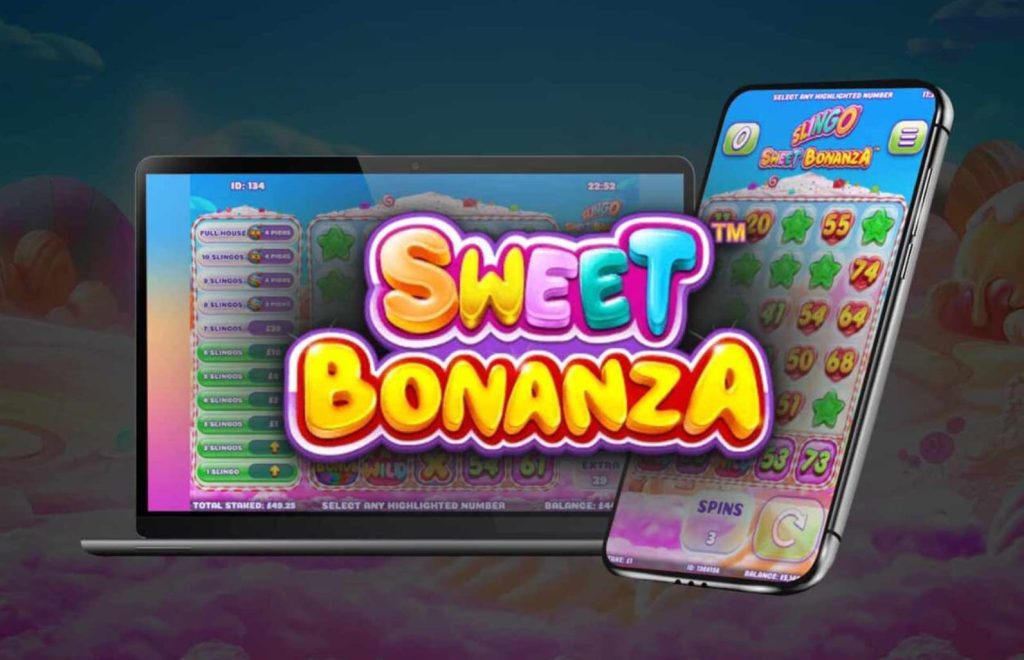
Such an approach requires serious technological solutions since graphics must remain smooth. Modern slots are created based on advanced web technologies ensuring high frame rates.
- HTML5 technology allows running complex animations directly in the browser without installing plugins
- Vector graphics provide perfect image clarity at any scaling
- Code optimization reduces device heating and battery consumption during the session
The Future of Mobile Visual Experience
The development of mobile processors opens new horizons for designers. We already see the active implementation of 3D graphics that are not inferior to console games. The visual experience becomes volumetric and deep. Game characters come to life, react to player actions, and accompany them during the game process.
The next step will be even deeper interface personalization. Apps will be able to adjust the color scheme and effect intensity to the lighting around the user or the time of day, reducing eye strain. However, the basic principle will remain unchanged. Simplicity of perception and visual pleasure will always be more important than complex rules, turning a simple tap on the screen into a colorful adventure. This seamless fusion of advanced technology and visual art is what will define the next generation of immersive mobile entertainment.