
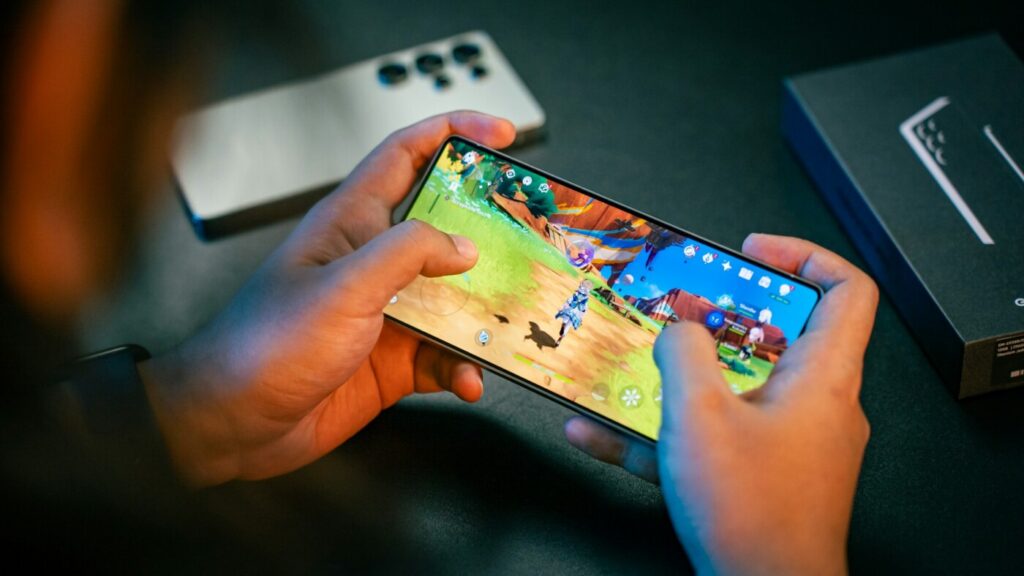
Remember when admitting you played mobile games at a tabletop session would get you side-eyed? Yeah, those days are gone. The same crowd that used to scoff at touchscreen titles is now sneaking in a few rounds between work meetings, and nobody’s pretending otherwise anymore. Mobile gaming has crept into the core gamer’s daily rotation, sitting alongside the Steam library and the dusty PS5 without much fuss.
The numbers back this up. There are over 3 billion mobile gamers worldwide, and the market is expected to hit roughly $158.5 billion in revenue in 2026. That’s not casual money. That’s “we’re the main event” money. Nearly half of gamers now play on more than one platform, and about 15% are juggling all three: phone, PC, and console. So if you’ve been feeling like a bit of a traitor for queuing up a quick session on your phone, relax. Pretty much everyone is doing it.
So what changed?
A few things, honestly. First, the hardware caught up. Phones today push graphics that would have melted a mid-range PC ten years ago. Second, the games got better, way better. Studios stopped treating mobile as a dumping ground for ad-stuffed time-wasters and started building experiences with real depth. Hybrid genres are everywhere now, mixing RPG mechanics with idle systems, or tower defense with simulation, creating something that feels familiar but fresh. It’s the kind of design philosophy that finally respects the player’s time.
And then there’s the social layer. Mobile games today are basically little hangouts. You can squad up with friends, hop into a live event, or chat with a community forum without ever leaving the app. That’s a far cry from the lonely match-3 grind of 2014.
The casino-style crossover nobody saw coming
Here’s where things get interesting. One of the fastest-growing slices of the mobile pie has been social casino content. It’s a category that used to be considered, well, kind of cheesy among hardcore gamers. But the genre got a serious glow-up. Modern social casinos now lean into adventure mechanics, progression systems, and storylines that wouldn’t feel out of place in a mid-budget RPG.
A good example is the way some platforms have layered actual gameplay loops onto traditional slot mechanics. Take Big Pirate Social Casino Games, which pairs a deep library of slots and live-dealer tables with a free-to-play island-building adventure. You earn Rum Coins through play, use them to develop your pirate base, level up, and compete with other players. It feels closer to a mid-core mobile title than a traditional casino app, which is exactly why it’s resonating with a different crowd. Pirate aesthetics, tier-based loyalty ranks, daily challenges, you know the drill. It scratches that progression itch that core gamers can’t quit.
That blending of genres is the real story here. The walls between casino game, adventure game, and social game are basically gone.
Cross-platform is the new normal
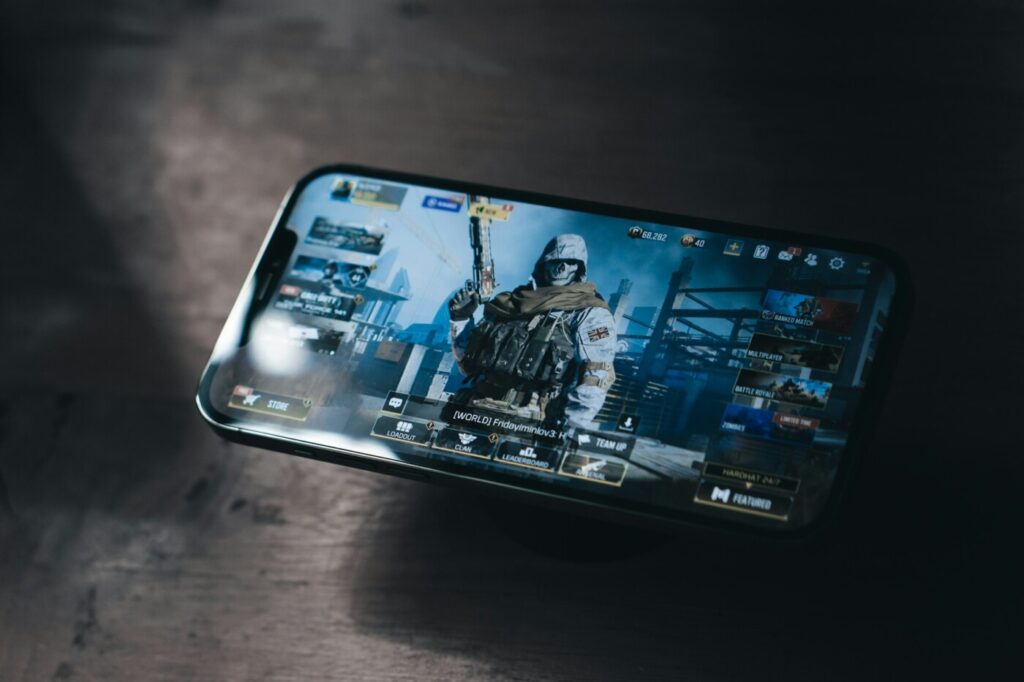
Another reason mobile won over the skeptics? You don’t have to choose anymore. Cross-progression means your characters, your loot, and your stats travel with you. You can grind on the bus and pick up the same save on your PC at home. That kind of continuity is what finally broke the resistance. It turned mobile into an extension of the main experience, not a watered-down replacement.
Cloud gaming has played a role too. Streaming high-end titles to a phone is no longer a tech demo, it’s just Tuesday. Even console exclusives are showing up on mobile through clever cloud setups, which would’ve been laughable five years ago.
The stigma is dead, and good riddance
Be honest, when did you last hear someone say “real gamers don’t play mobile”? It used to be a punchline. Now it’s a position no one really defends with a straight face. The audience overlap is too big, the production quality is too high, and the gameplay loops are too well-crafted to dismiss. Mobile-first studios are pulling top design talent. Some of the most interesting live-ops experiments are happening on phones, not consoles. The creative center of gravity has shifted, whether the holdouts admit it or not.
The core gamer didn’t get replaced by the mobile gamer. The core gamer just added another device to the lineup. And with games that respect player time, deliver real depth, and connect communities, why wouldn’t they? Mobile isn’t the side dish anymore. It’s part of the main course, and the table looks better for it.
So next time you catch yourself reaching for your phone during a five-minute break, no guilt necessary. You’re in very good company.