
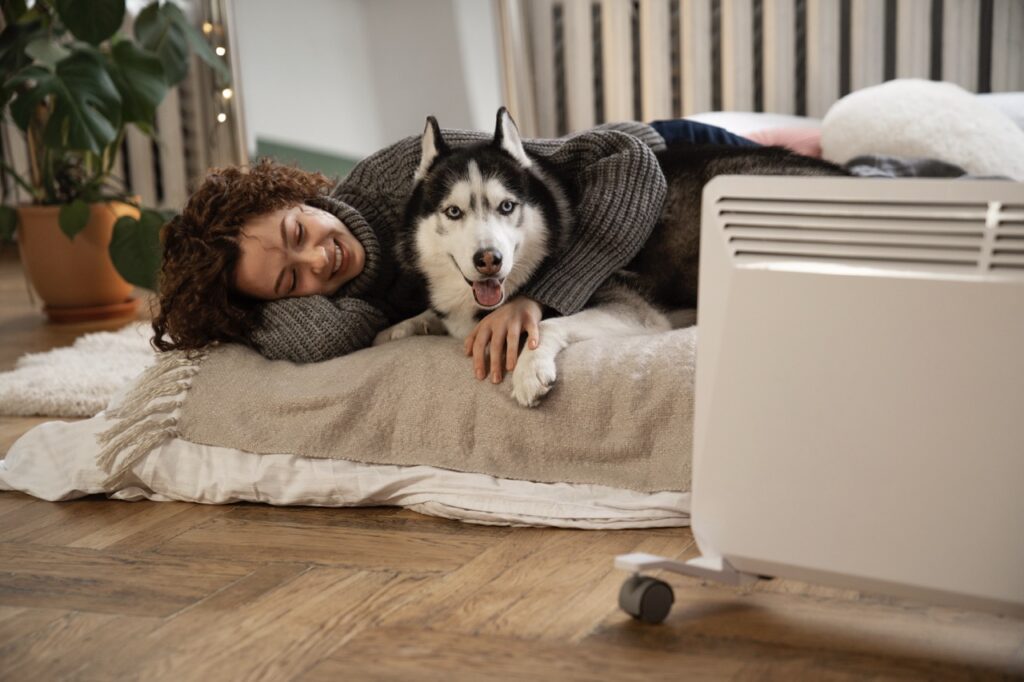
Pets are not just companions, but our friends who bring us joy. Nonetheless, keeping them comes at a cost, and one of them is the everyday mess of fur. But because they belong to the family, they should also have some comfort, and it can be as simple as turning the AC so that they can cool down.
To prevent the fur that does find its way to the AC from building up, brushing, shaving, and vacuuming regularly are all helpful, but your HVAC system itself might need a bit of extra care. Pet owners understand how quickly hair tends to accumulate in their homes. When they get to the air filters, they clog them and reduce airflow, leading to reduced air quality and stress on the AC unit, making it overheat and break down more frequently.
Overloading the AC, in turn, leads to higher energy bills, increased maintenance costs, and makes your home less comfortable. Such problems don’t mean giving up on your furry friends. Instead, making a few adjustments will have your HVAC in good shape and your home comfortable all year long.
How do you go about it? Read on to find out.
1. Get a Pet-Friendly HVAC System
Not all HVAC systems are designed to handle the extra work that comes with pets. But most newer models are built to handle pressure.
Here are some of the things to consider for a pet friendly HVAC:
High-efficiency filters: This helps trap allergens and dander before they reach the air.
Quieter operation: Pets like cats can be sound-sensitive, so you want a unit that operates quietly to avoid causing discomfort.
Zoned heating and cooling: Different pets have different comfort needs. For homes with more than one pet type or breed, a unit that supports multiple zones allows you to cool or heat pet zones without affecting the whole house.
Smart thermostats: These devices make it easy to adjust and regulate temperatures from anywhere to ensure your pet is always comfortable.
Energy efficiency: Your pets spend most of their time at home, which means your HVAC unit operates for longer hours. Upgrading to a more energy-efficient system lowers your bills.
2. Change Your Air Filter More Often
Getting things in order doesn’t take much effort. Start with a simple regular air filter inspection. The reality for pet owners is that they need to change the air filters more often than the average home since they handle more work due to the pet hair, which makes them clog easily.
Depending on how many pets you have, you might have to change the filters monthly or even weekly. If you have heavy shedders, the frequency can drastically change.
3. Clean Your Ducts and Vents
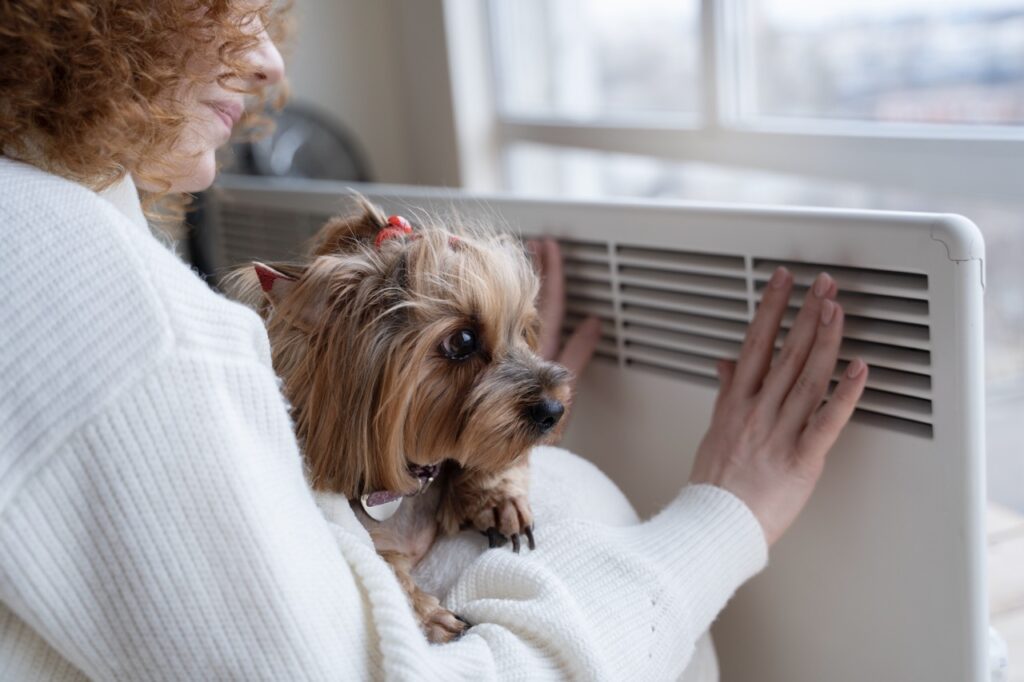
With time, dust, pet dander flakes, and hair build up inside ducts, constricting airflow and spreading allergens throughout the house. If it’s been more than two years since your ducts were last cleaned, it’s time to inspect them. Ideally, you should clean them every 1-2 years. But there’s no rule, so adjust based on your needs, like when you have more than one heavy-shedding breed.
Also, don’t forget the obvious ones: the vents. This is more common with vents located low on the walls. Pets like to snuggle up against a warm air vent in winter and a cool vent in summer. But even those located up on the walls are not safe from hair and dander circulating around the house. Removing objects near and cleaning them with a brush every so often can help clear the vents for proper airflow.
4. Protect the Outdoor Unit
The outdoor air conditioning unit, also known as the condenser, is another key component for smooth operation. Pets, particularly dogs, can see it as a perfect spot for marking their territory. They will linger there often, dig around the foundation, or even spray urine on the ground. Repeated exposure to urine corrodes the metal fins and interferes with the AC’s functioning, leading to costly repairs.
A simple solution is to install a barrier. Adding a small fence while giving it enough space for proper airflow protects it from damage.
5. Use Air Purifiers to Support Your HVAC
Even the best HVAC system from top brands needs a little extra help, especially when you have many pets. The amount of fur the unit handles is high if you live in an enclosed space.
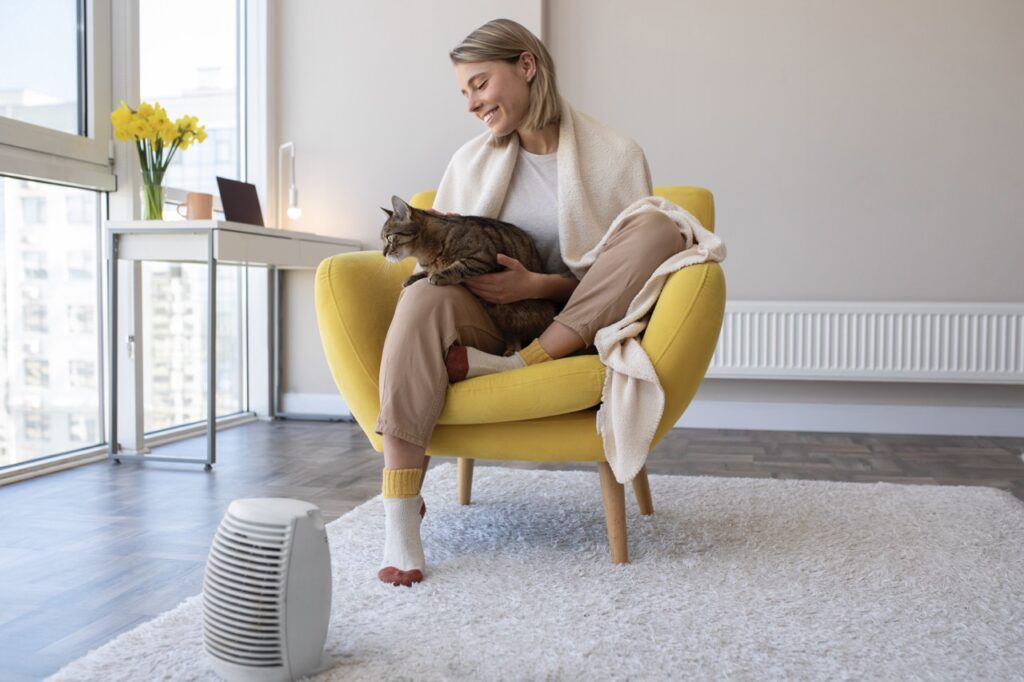
High-efficiency HEPA filters rated at MERV 11+ are best for extra air cleaning. These are capable of filtering around 99.97% of airborne contaminants, not only making your AC’s task lighter but also enhancing air quality and reducing allergies. Additionally, activated carbon filters effectively remove odor-causing particles and pet odors.
6. Stick to a Maintenance Routine

Regular maintenance of HVAC is required for every home, but it is more critical if you have pets. The best part is that you do not need to be a hands-on person to get the job done. Look for hair buildup in obvious areas, such as vents and air filters. These are usually noticeable and easy to clean with simple equipment.
To get a proper inspection, you need to hire a professional. He will help you unclog hard-to-reach areas like the vents and dirty coils so that the system operates more efficiently and doesn’t fail suddenly.
Not sticking to a regular maintenance schedule can lead to problems that you may not even realize until it’s already too late.
Even if everything appears to be in good working order, a yearly professional check can detect underlying issues that will help you avoid spending lots of money on emergency repairs down the line.
Conclusion
While pets are unaware and couldn’t care less why HVAC service is so vital, they certainly don’t appreciate poor air circulation, stale rooms, or inconsistent temperatures. And it’s not just the pets; you’ll feel it too. Spending a little time now and then to replace filters, clear ducts, and groom your pets leads to cleaner air, lower utility bills, and fewer repair costs.
Smart upgrades enhance convenience, comfort, and give you better control of your home so that everybody is happy, even the pets. The best thing is that most of these tips can be easily applied, and you can do them yourself. However, where you need help, don’t be shy to call in a professional for a proper assessment and long-term resolution.
With a few minor changes, you’ll be surprised at how easy it is to maintain your system running efficiently. You enjoy clean air and keep your cat or dog wagging happily.