
March doesn’t have a single obvious frontrunner this year — and that’s actually refreshing. The month spreads its best releases across wildly different genres: a new extraction shooter from Bungie, Slay the Spire’s long-awaited sequel, a wordless hand-drawn platformer, and a zombie slaughter fest co-signed by a Hollywood legend. Whatever you’re in the mood for, the lineup delivers. And if you’re the type who likes to unwind between gaming sessions with something a little different, Reveryplay is worth having in your rotation.
The Legend of Khiimori
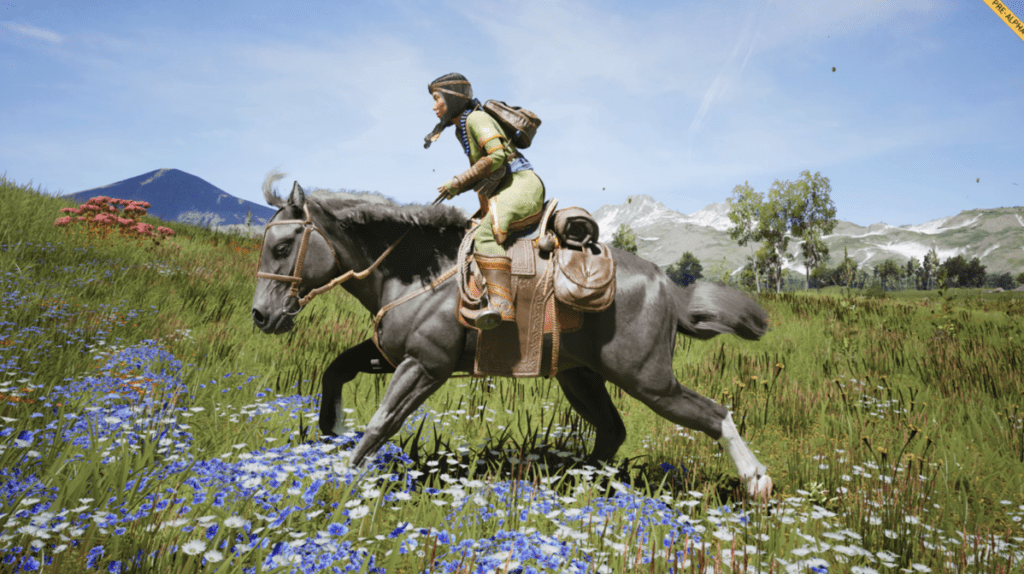
Courier simulator. 13th-century Mongolia. No swords required.
This one earns points just for existing. The Legend of Khiimori drops you into the age of nomadic empires as a horseback courier — not a warrior, not a chosen one, just someone paid to get cargo across mountain passes and desert flats in one piece.
Your horse isn’t set dressing. Each animal has real stats: endurance for punishing long-haul routes, speed when a message can’t wait, agility for the kind of trails that have no business being trails. You breed and train toward what you need, and the animations — developed with input from equine movement specialists — actually back up the ambition. The difference between a horse that’s right for the job and one that isn’t shows up in how the animal moves, responds to terrain, and holds up over a long ride.
Resource management runs quietly in the background. You forage for grass to keep your horse fed, gather materials to repair equipment, and collect ingredients for basic potions. None of it feels like busywork — it’s tied directly to whether you make it to the next waypoint intact.
The bow on your back is mostly for scaring off predators. You don’t fight your way through problems here. Failure comes from a damaged delivery or a horse you pushed too hard, and the game doesn’t let you forget it. There’s a cause-and-effect loop between how you treat the animal and how the animal performs that most games never bother to simulate. It’s meditative, methodical, and the kind of game that’s either going to click completely or leave you cold by hour two.
Scott Pilgrim EX
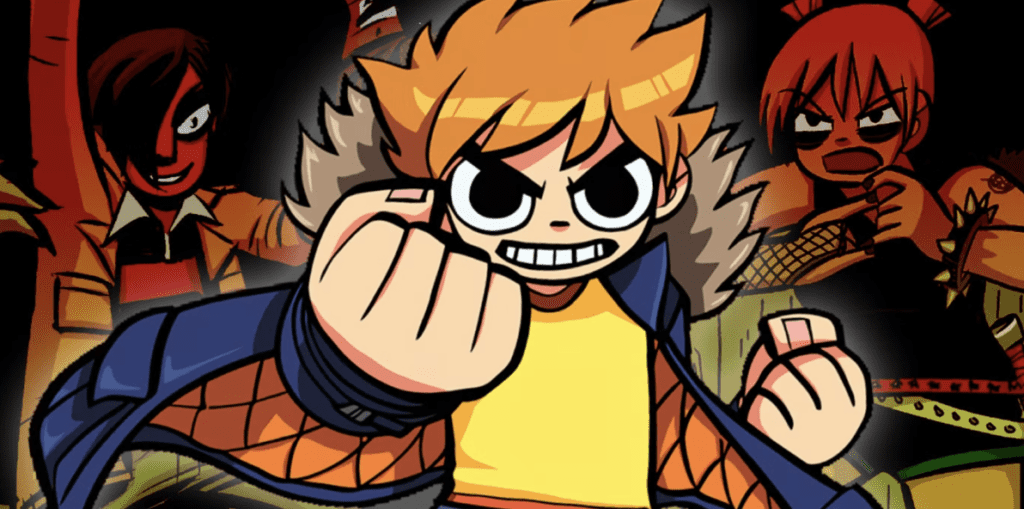
A beat ’em up sequel with the original author in the room
Bryan Lee O’Malley didn’t just sign off on this — he was involved in making it. That matters. Scott Pilgrim EX picks up in a near-future Toronto where three factions (vegans, robots, demons — yes, really) are tearing the city apart, and the gang has to wade through all of it to find missing friends.
Seven characters are playable. Lucas Lee throws people and rides his skateboard into crowds. Matthew Patel still summons hipster demons. Robot-01 clears rooms with jet propulsion and shell fire. Each one plays differently enough to justify trying all of them, and the build system — modifier icons, special moves, improvised items — rewards experimentation.
Four-player co-op works locally and online. Anamanaguchi is back on the soundtrack. If you played the 2010 game and wondered whether a follow-up could recapture it, this has more reason to hope than most.
Marathon
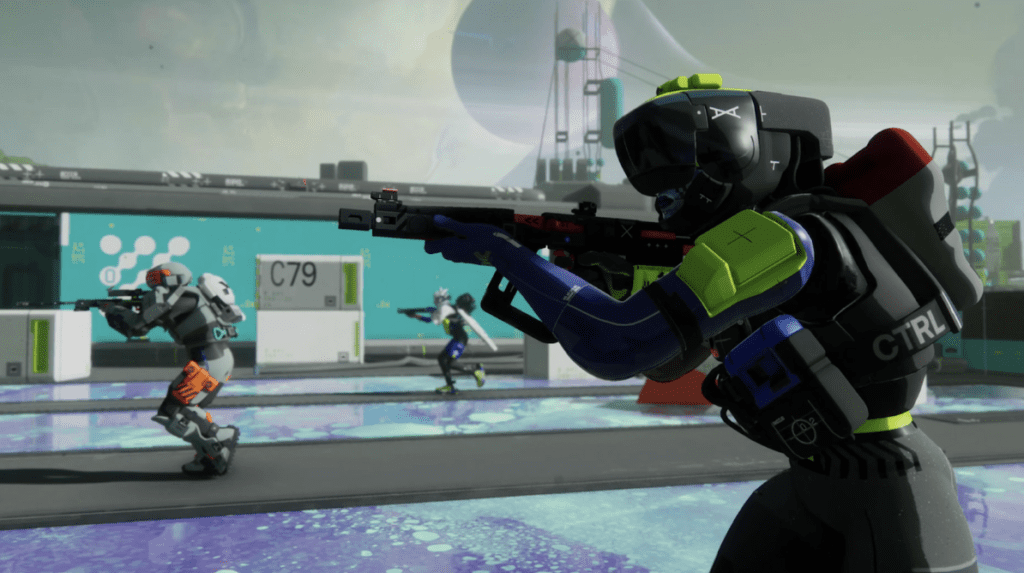
Bungie goes extraction shooter
The Marathon name carries history, but this isn’t a sequel — it’s a new game using the same universe as its backdrop. You play as Runners, cybernetic mercenaries dropped into the ruins of a colony on Tau Ceti IV to scavenge, fight, and get out alive.
Matches cap at around 25 minutes. Up to 18 players split into squads of two or three, each working through zones, grabbing loot, and taking faction contracts while dealing with rival Runners, UESC robots, and whatever hostile wildlife the map throws at them. Die before reaching extraction and you lose everything you collected.
The Escape from Tarkov DNA is obvious — there’s even a Rooks faction that mirrors the Wilds. Six Runner types give you options. But what stood out to alpha players wasn’t the class system; it was that mechanical skill and map knowledge mattered more than gear. That’s the right priority for a game built around repeat runs.
The visual style is genuinely unusual for the genre — bright, bold character design against a sci-fi ruin aesthetic that doesn’t look like anything else currently on the market.
Slay the Spire 2
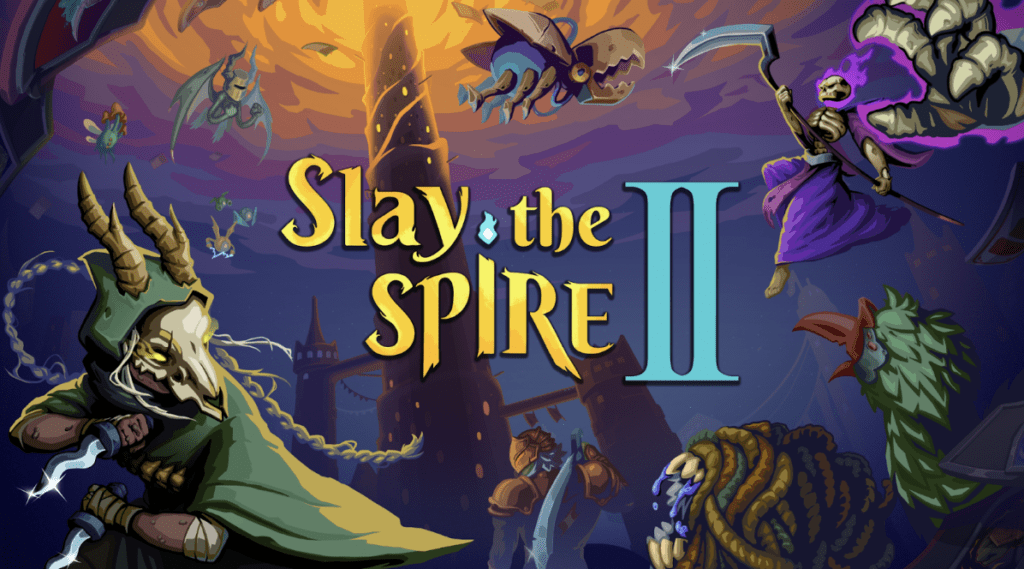
The sequel nobody wanted to mess up
The original defined a genre. The sequel’s biggest addition is also its riskiest: co-op for up to four players, where you’re not just building your own deck but coordinating with teammates. Done right, it adds a layer of strategy the solo game never needed to consider. Done wrong, it turns a precision game into chaos.
Five characters are planned — three returning, two new. The deck-building loop, relics, potions, and turn-based combat all carry over. A new engine expands modding support without disrupting the fundamentals. Launch will be early access with three locations and a range of new enemies and bosses. Two years of additions are planned based on player feedback, which is how the original kept its community long after it left early access.
Planet of Lana II

Hand-drawn, wordless, and quietly confident
Lana and Mui are back, this time crossing Novo — a planet where technological development cracked the peace between tribes and knocked the ecosystem sideways. Icy peaks, underwater ruins, and long-abandoned structures make up the journey as the two slowly piece together the planet’s history and their own origins.
Every frame is hand-drawn. Characters speak an invented language. The story communicates through animation, environmental detail, and a score from Takeshi Furukawa — the same approach as the original, but with more tools this time and a world that feels wider in scope.
What made the first game work wasn’t any single mechanic — it was the consistency of its tone. Nothing broke the spell. Planet of Lana II appears to understand that and builds on it carefully. New mechanics give Lana vertical movement along surfaces and expand joint puzzle-solving with Mui in ways that open up the level design rather than complicate it. Stealth has more depth, action sequences come more frequently, and the pacing feels tighter based on what’s been shown so far.
The hand-drawn art style also carries more weight in the sequel because the environments are more varied. Going from icy mountain passes to underwater locations to ancient ruins gives the artists more to work with, and the results show. Furukawa’s score shifts to match each setting without losing coherence — it’s the kind of soundtrack you notice doing heavy lifting only after you’ve finished.
Solasta II
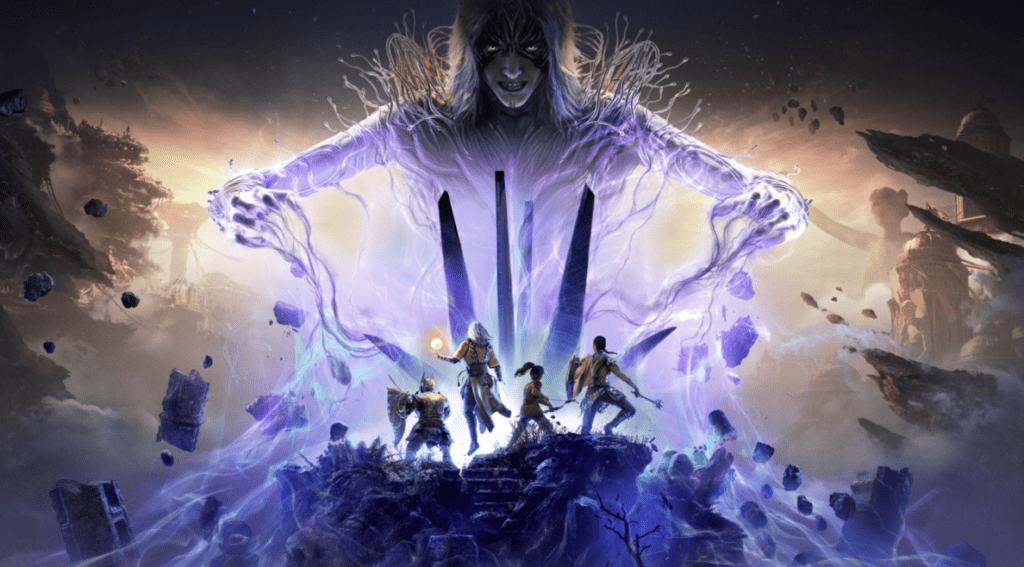
D&D 5e done properly, with a cast to match
Set 70 years after the first game on the continent of Neokos, Solasta II sends a party of four after an ancient witch named Shadwin. SRD 5e rules underpin everything: vertical combat, environmental interactions, stealth approaches, and dice rolls that actually determine outcomes.
The voice cast has names worth paying attention to. Devora Wilde (Lae’zel, Baldur’s Gate III), Ben Starr (Clive, Final Fantasy XVI), and Amelia Tyler (narrator, Baldur’s Gate III and Hades II) all have roles. Early access launches with a campaign segment, six character classes, and single-player only. Co-op for four, new classes, and additional locations follow over time. The world is more open than before — selectable routes, a navigable map, fewer corridors. A demo exists if you want a preview, though it’s bare-bones and lacks a character editor.
John Carpenter’s Toxic Commando
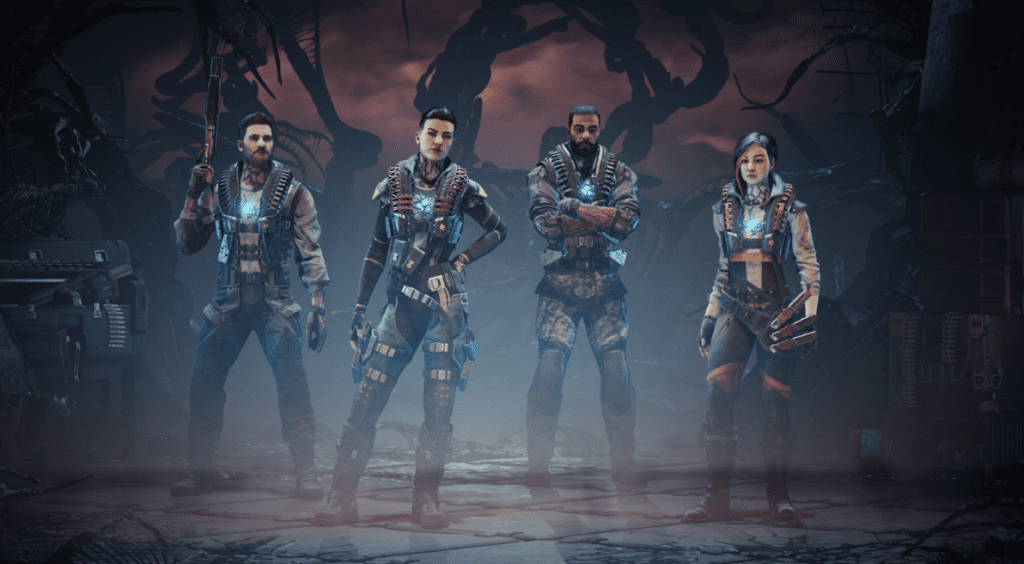
Hordes, vehicles, and an 80s horror legend on the soundtrack
Saber Interactive built World War Z. Now they’re back with another co-op horde game, this time with a cleaner identity and John Carpenter’s name above the title — which isn’t just marketing. He wrote the music and contributed to the story.
The setup is absurd on purpose: a failed experiment with the Earth’s core releases an ancient creature that turns soil to slime and people to zombies. The government’s response is to hire four mercenaries with bad track records instead of anyone qualified. The Swarm engine handles the horde side — expect the same density seen in World War Z and Warhammer 40,000: Space Marine II. Vehicles are the twist. Teams drive customizable transports through semi-open areas, fitting them with turrets, armor plating, and horns that actively lure enemies toward you. Specialized options like a teammate-healing ambulance round out the lineup.
It knows exactly what it is, and that’s usually enough.