
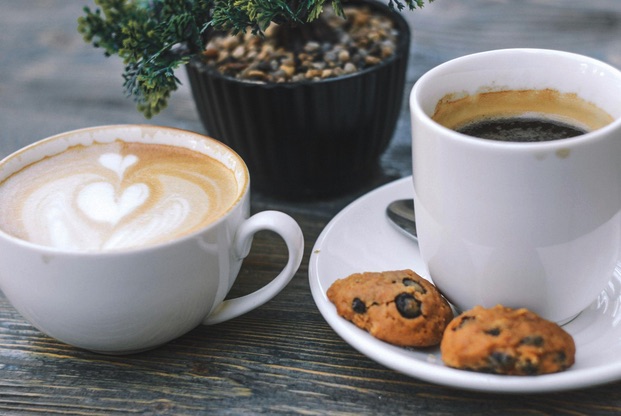
Relaxation looks very different today than it did even a few years ago. Instead of following one universal idea of self-care or wellness, people are increasingly building routines that match their own schedules, environments, and personal preferences. What helps one person unwind after a long day may feel completely different for someone else, which is why personalized relaxation habits continue becoming more common across modern lifestyles.
This shift reflects a broader cultural change away from rigid wellness expectations and toward routines that feel sustainable and realistic. People are focusing less on perfection and more on creating moments of comfort, calmness, and emotional recovery that fit naturally into daily life. Home environments, evening habits, and small personal rituals now play a much larger role in how individuals manage stress and recharge consistently.
People Are Moving Away From One-Size-Fits-All Wellness
One of the biggest reasons relaxation routines are becoming more individualized is because people are recognizing that stress affects everyone differently. Some individuals recharge through quiet environments and slower evenings, while others relax through hobbies, entertainment, social interaction, or sensory experiences connected to their personal interests.
This flexibility has changed how people approach self-care. Instead of trying to copy highly structured routines online, many are experimenting with habits and products that genuinely support how they prefer to relax. The result is a more personal approach to downtime where comfort matters more than trends.
Modern relaxation routines therefore tend to feel more natural and emotionally sustainable because they are built around real lifestyles instead of idealized expectations.
Home Environments Now Shape Relaxation More Strongly
Another reason personalization is growing is because people spend significantly more time at home than before. The atmosphere of the home itself now influences emotional well-being much more directly throughout the week.
Lighting, seating, organization, entertainment spaces, and wellness-focused habits all contribute to whether evenings feel restorative or overstimulating. Many people intentionally create areas where they can disconnect from work pressure and slow down mentally without needing elaborate routines.
Products connected to lifestyle relaxation, such as information about how much do dab rigs cost, show how consumers are exploring personalized options tied to comfort, leisure, and home-based downtime routines rather than relying solely on external wellness experiences.
Wellness Products Are Becoming More Lifestyle-Focused
Relaxation products themselves are also evolving. Instead of focusing purely on luxury or appearance, many modern wellness products are designed around convenience, emotional comfort, and integration into everyday routines.
Consumers increasingly prefer products that feel approachable and easy to incorporate naturally into evenings without adding pressure or complexity. This shift is helping wellness feel less performative and more connected to actual quality of life.
Brands such as Vena reflect the broader movement toward products supporting calmness, balance, and personal wellness routines in ways that feel adaptable to different lifestyles and comfort preferences.
People Want Routines That Feel Sustainable
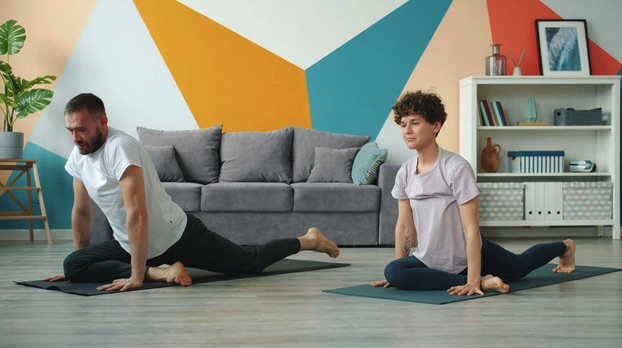
Another major reason personalized relaxation is growing is because rigid routines are often difficult to maintain long term. Busy schedules, family responsibilities, and constant digital connection make it unrealistic for many people to follow highly structured wellness systems every single day.
Personalized routines tend to work better because they can adjust naturally around changing energy levels and responsibilities. Some evenings may involve quiet hobbies, others focus on entertainment or social connection, while some simply involve slowing down mentally before bed.
The most effective routines are often the ones people can realistically continue without feeling guilty or overwhelmed when life becomes busy.
Emotional Comfort Has Become More Important
Modern wellness is also shifting toward emotional recovery instead of focusing only on productivity or appearance. Many people now recognize that relaxation directly affects sleep quality, mood, focus, and long-term stress management.
As a result, routines are increasingly built around creating emotional calmness rather than achieving visible goals alone. Music, lighting, sensory experiences, personalized hobbies, and evening rituals all contribute to whether people feel mentally recharged after demanding days.
This emotional side of relaxation is one reason people are becoming more intentional about shaping home environments around comfort and balance instead of constant stimulation.
Technology and Stress Are Driving the Shift
Another reason relaxation routines are becoming more customized is because daily life itself has become more overstimulating. Constant notifications, digital communication, work pressure, and information overload make it harder for many individuals to mentally disconnect without deliberate effort.
People are therefore searching for routines helping them create clearer transitions between productivity and recovery. Personalized relaxation habits feel more effective because they allow individuals to identify what genuinely helps them slow down emotionally instead of following generic advice that may not fit their needs.
This has made relaxation feel more personal and practical rather than trend-driven.
Modern Relaxation Is About Everyday Balance
Perhaps the biggest change happening within wellness culture is that relaxation is increasingly viewed as part of maintaining everyday balance rather than an occasional luxury. People now understand that small habits repeated consistently often improve quality of life more effectively than temporary dramatic changes.
Personalized routines support this idea because they fit more naturally into real life. Whether through quiet evenings, wellness products, hobbies, or home-centered rituals, people are creating environments helping them feel calmer and more emotionally balanced on a regular basis.
The strongest routines are usually not the most complicated or visually impressive. More often, they are the ones quietly helping people recover from stress, enjoy their downtime more fully, and feel more comfortable within their everyday lives over time.