
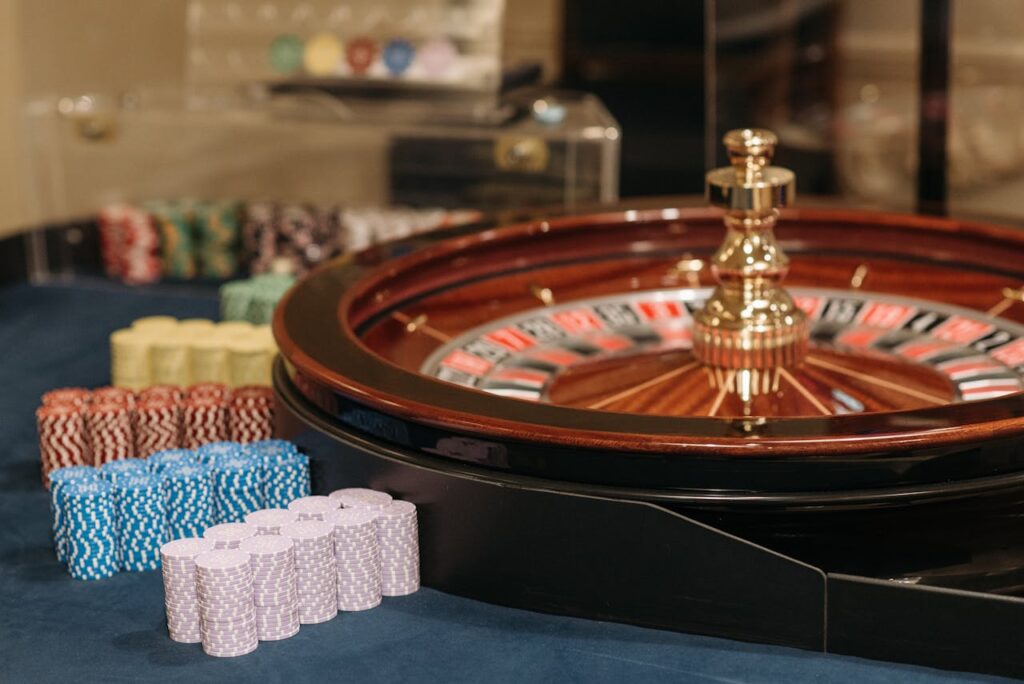
Tabletop RPG design has never been more innovative. Game masters are borrowing ideas from an unexpected place, online casinos, to build encounters that feel tense, rewarding, and psychologically compelling. While traditional RPG systems have always relied on chance, modern encounter design embraces a deeper level of player psychology, integrating risk–reward mechanics similar to those found in gambling, micro-betting, and probability-driven digital entertainment.
These principles aren’t about turning an RPG into a casino; they’re about tapping into the same psychological patterns that make gambling exciting, immersive, and unpredictable. When used carefully, they enhance player agency, intensify emotional engagement, and create narrative stakes that feel genuinely thrilling.
As modern players become more familiar with the logic of gambling-style risk, whether through bonus structures, mobile games, or online casino formats, the crossover into RPG design becomes even more natural. Insights from gaming communities, such as those found on the casino forum at Mr. Gamble, show how deeply players respond to structured uncertainty, escalating rewards, and meaningful decision-making under pressure.
Understanding Player Psychology: Decisions Under Pressure
RPG encounters often live or die based on emotional engagement. Casino mechanics offer tools for shaping that emotional arc, from suspense to payoff.
Online casinos rely on three psychological principles that map perfectly onto RPG design:
- Anticipation – The moment before the dice roll or spin
- Escalation – Increasing risk for the possibility of a better outcome
- Payoff – A reward that matches the emotional investment
Isobel Coughlan, iGaming Expert at Mr. Gamble, explains this power of structured tension: “Whether it’s a slot spin or a high-stakes RPG roll, players respond most strongly when they believe a single decision could meaningfully change the outcome.”
This psychological truth forms the backbone of both gambling mechanics and player-driven RPG storytelling.
Borrowing Risk–Reward Structures From Casino Logic
In casino design, the risk–reward curve shapes how players behave. High-risk moves with big payouts attract thrill-seekers; low-risk moves attract more cautious players. RPG mechanics already recognise this pattern; think of choosing between a safe attack and a risky ability that might turn the tide.
Casino structures offer inspiration for refining or expanding these choices:
| Casino Mechanic | How it Translates to RPG Encounters |
| High-variance online slot games | Wild magic surges, unpredictable spell outcomes |
| Progressive jackpots | Escalating boss phases or reward tiers |
| Low minimum bets | Low-risk skill checks that still move the story |
| Bonus rounds | ‘Burst mode’ special abilities, limit breaks |
| Free spin mechanics | Extra actions, overclock turns or critical chains. |
These mechanics can inspire encounter systems that feel intuitive to modern players—especially in gaming cultures where low-deposit casino formats, such as top 20 deposit casino picks, expose people to well-designed risk structures daily.
Using Micro-Risk Mechanics for RPG Combat
Not every risk has to be catastrophic; in fact, small, frequent risks keep players engaged without overwhelming them. Low-stakes gambling models, like micro-betting or POLi deposit casino options, which allow small incremental payments, mirror the design logic of micro-risk encounters in RPGs.
Examples include:
- Using a small portion of HP or spell points to boost the odds of success
- Choosing to reroll but accepting a mild consequence
- Trading positioning for bonus damage
- Temporarily “borrowing” power with a future penalty
Each provides the thrill of risk while keeping the narrative moving forward.
Rich Trenchard, Online Casino Expert at Mr. Gamble, captures this design principle perfectly: “Good risk doesn’t punish the player, but it invites them. Casinos know this, and RPG designers are learning the same lesson: risk must feel tempting, not terrifying.”
This approach blends casino psychology with narrative creativity.
Designing Tiered Rewards Inspired by Bonus Structures
Bonus structures in online casinos are highly optimised to shape player behaviour. Offers such as casinos featuring 25 free spins on registration use tiered rewards to guide players from low-risk entry to higher engagement.
RPG encounters can borrow this logic:
- Tier 1: Guaranteed Reward
Even on failure, players learn, gain lore, or receive minor resources.
Tier 2: Moderate Reward for Success
Standard loot, XP, or story progression. - Tier 3: High Reward for High Stakes
Rare items, narrative breakthroughs, or long-term boons.
This gives players something valuable at every stage, but still incentivises taking bold moves.
Bonus-inspired design also encourages exploration. Players are more likely to enter optional encounters if they know the risk–reward structure is fair, which is similar to choosing between different casino experiences after browsing Mr. Gamble’s comparison pages.
Strategic Uncertainty: The Casino Mindset in RPG Decision-Making
Casinos use controlled randomness: unpredictability within carefully managed bounds. RPG designers can apply this by avoiding “binary success” and instead designing dynamic outcomes.
For example:
- A failed Persuasion check may still change an NPC’s attitude, just not fully in the player’s favour.
- A botched trap disarm attempt may trigger only part of the trap.
- A failed arcana check might reveal a portion of the information.
Just as casinos use small losses to keep players engaged while building anticipation, RPG designers can use controlled setbacks to heighten storytelling.
When to Use High-Stakes Mechanics
High stakes work best sparingly. Boss fights, climactic confrontations, or major turning points benefit from risk mechanics modelled on high-volatility games.
Casino examples like high-roller slots or jackpot tables mirror RPG systems such as:
- death saves
- ultra-risk abilities
- gamble-style mechanics where players bet resources on improved outcomes
These create moments players remember for years.
However, just as regulatory bodies like the Federal Trade Commission (FTC) emphasise fairness and transparency in digital gaming and online financial interactions, RPGs must ensure risk never feels cheap or deceptive.
Borrowing from casino psychology doesn’t mean making your RPG feel like a casino. It means understanding how humans respond to uncertainty, reward, anticipation, and decision-making under risk. These principles can transform encounters from predictable sequences into unforgettable moments.
Whether you’re drawing inspiration from digital bonus structures like top 20 deposit casino picks or observing player behaviour patterns in communities such as the Mr. Gamble casino forum, the crossover between gambling mechanics and RPG design is rich with potential.
The best RPG encounters are not those with the biggest monsters or the most complex rules; they are the ones where players feel fully invested in the outcome, the risk, and the reward. And when used carefully, the principles that make casino games thrilling can help RPG designers craft exactly those kinds of experiences.