
Open a loot box in a game, and the reward usually arrives with its own ceremony. The animation delays the result for a few seconds before color and sound reveal the item’s rarity, even when the prize has little value to the player. Why does a routine digital item need the suspense of a roulette spin?
In paid reward systems, the casino influence appears in the pause between spending virtual currency and discovering the result. Once developers have created a pool of rewards, they can sell repeated attempts to obtain its rarest items, with another purchase available as soon as each reveal ends. At GGBET, the same rhythm appears in prize wheels, bonuses, and tournaments. When earned progression and paid random attempts occupy the same screen, the difference between playing for a reward and purchasing another chance becomes harder to identify.
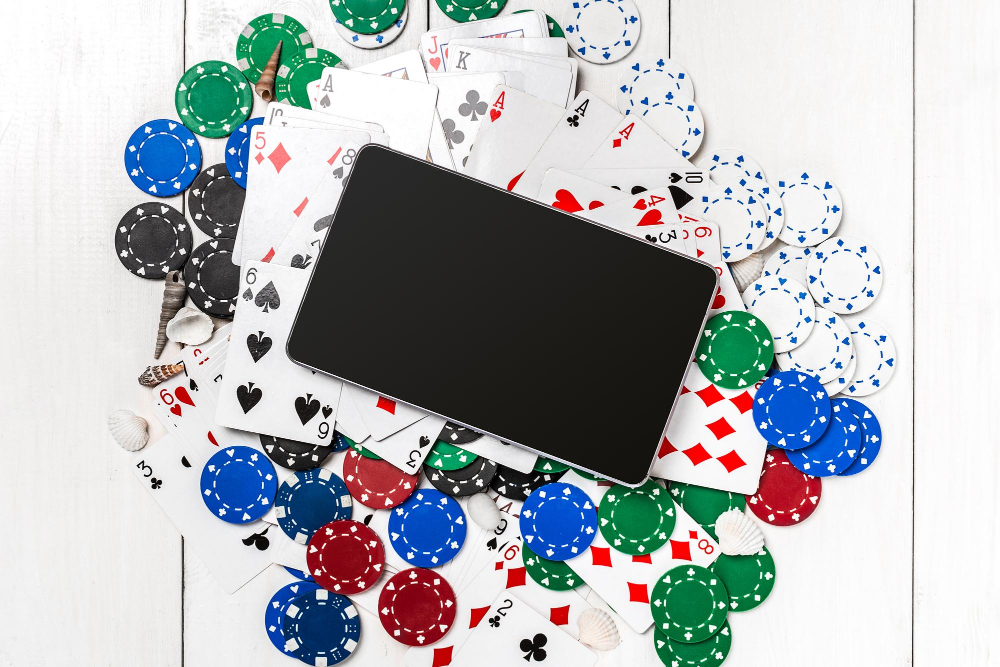
How Casino Mechanics Entered Mainstream Games
Game publishers once earned most of their money when a player bought a copy. Free-to-play releases changed that calculation: removing the initial price could attract a larger audience, but the game still had to earn money from those who stayed. A fixed cosmetic or character normally led to one purchase. Place the same item inside a pool of possible rewards, however, and players might pay several times before receiving it. Randomness turned a digital item into a repeatable transaction.
Mobile and online games gave this approach room to grow because they were already built around frequent updates and small purchases. Similar systems later appeared in major PC and console titles, including games that players had paid to access. By 2019, loot boxes had become prominent enough for the Federal Trade Commission to hold a public workshop devoted to their role in games and the consumer concerns surrounding them.
The casino influence did not depend on roulette tables or playing-card imagery. It came through the purchase itself: pay before seeing the reward, watch the reveal and decide whether to try again.
Which Casino-Inspired Systems Players Encounter
These models of random rewards are popular among other promotions and formats. A European Parliament study on loot boxes also considers them within the wider market for in-game purchases. Common formats include:
- Loot boxes. These containers hold one or more unknown items: you can buy them, earn them through gameplay ot get them as extra rewards or during events. Some operators even add common and rare items.
- Gacha draws. Players spend currency to draw a character or item from a particular pool. Some games add a “pity” counter, which guarantees a high-rarity reward after a specified number of unsuccessful draws.
- Card packs. A pack contains several randomized cards that can expand a collection or strengthen a deck. Duplicate cards may be exchanged for resources, combined, or retained for later use.
- Prize wheels. The available rewards are arranged around a wheel before the player starts the spin. Once it stops, the selected segment determines the item, currency, or gameplay resource awarded.
In each case, the player activates an attempt before learning the result. That attempt may be free, earned through play, or purchased with real or virtual currency.
Why Random Rewards Hold Player Attention
The player has already spent the currency, yet the most important moment has not happened. The game pauses before revealing the reward, perhaps changing the music or showing a flash of a rare color as the animation unfolds. During those few seconds, an ordinary purchase becomes a small event. This staging borrows a familiar casino rhythm: commit to the attempt first, then wait to discover its value.
Receiving an unwanted item does not remove the preferred one from the pool. It remains available on the next draw, which gives the player a reason to reconsider stopping. Where a pity counter is present, failed attempts may also move a visible number closer to a guaranteed rare reward. The earlier spending then appears to have created progress, even though the player still lacks the item they wanted. Another attempt offers both a new result and the chance to avoid leaving that progress unfinished.
How Virtual Currency Changes the Way Players Spend
Virtual currency separates the real-money payment from the decision made inside the game. Suppose a shop sells 500 gems while one draw costs 160. The player pays for the bundle once, but the next three decisions are presented as 160-gem purchases. Working out the real price of each draw means comparing it with the original bundle, and bonus gems can change that calculation from one package to another. Casino chips work in much the same way: after the exchange, spending is measured in the platform’s own units.
Three draws from that 500-gem bundle leave 20 gems behind. The amount cannot pay for another attempt, although it remains attached to the account and visible whenever the player returns. A future top-up may then feel like a way to use the existing balance as well as buy more currency. The screen continues to show those 20 gems; it rarely places the total cost of the earlier payments beside them.
Why the Line Between Gaming and Gambling Matters
The rise of casino-inspired systems becomes easier to understand once the purchase is treated as part of play. Selling a skin directly creates one transaction; placing it behind a draw allows suspense, the reveal, and the unused currency balance to lead back to the shop. That commercial advantage explains why the model has traveled across genres. It also makes the boundary with gambling worth examining. When collection or progress depends on paid chance, spending begins to influence the decisions players make inside the game.