
Between tabletop classics and digital spins, players have always loved the thrill of not knowing
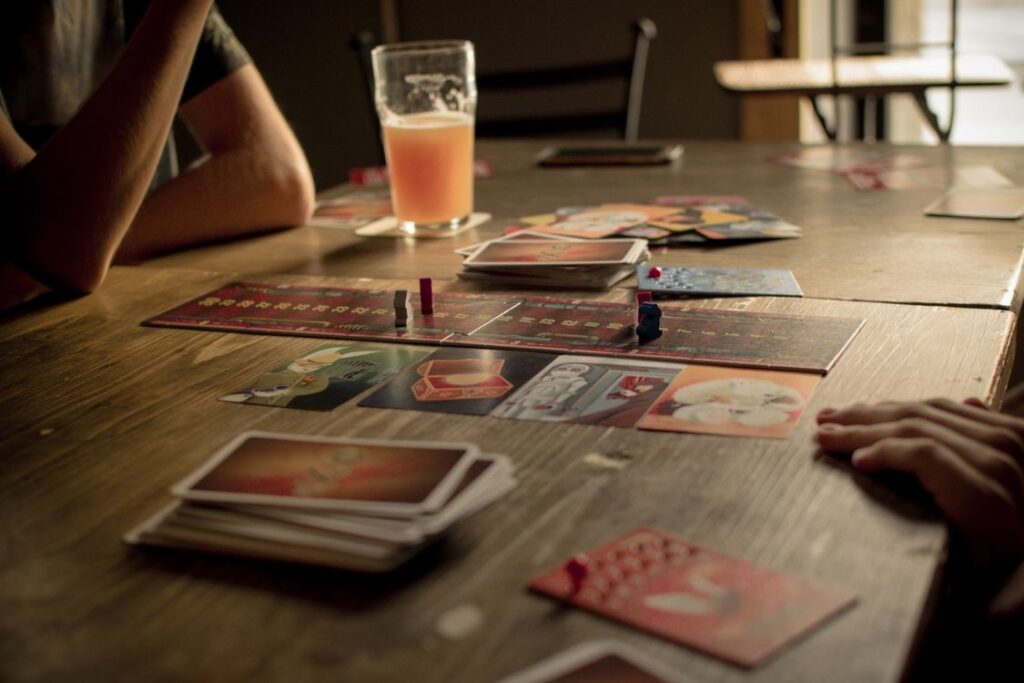
Gaming has always found creative ways to keep players locked in. Sometimes, it’s a hidden objective that changes a strategy halfway through a match. Other times, it’s a rare card pulled from a booster pack, an unexpected event in a board game, or a reward that appears when players least expect it. Across tabletop RPGs, board games, card games, and digital titles, one thing is seriously consistent – that players enjoy the excitement that comes from not knowing exactly what will happen next.
That idea has been part of gaming for decades. Long before progression systems and unlockable content became common in digital games, tabletop designers were building mechanics around uncertainty. A single dice roll could alter a situation. A random event card could change the direction of a game. Even something as simple as drawing from a well-shuffled deck could create a completely different experience every time players sat down to play. And we all know how popular slot machines became almost immediately after their invention – a clear sign that randomness is at the core of what we enjoy in gaming.
Fast forward to today, and those same ideas are everywhere. Different genres put their own spin on them, but the end result is always the same. Players get moments that surprise them, keep them engaged, and give them a reason to jump back in for another game.
Random rewards have been part of gaming for decades
Randomized rewards are sometimes treated as a brand-new gaming trend, but tabletop players know they’ve been around for a very long time. Many of the most popular games ever created rely on uncertainty to keep things fresh.
Board games regularly use shuffled decks, random setups, hidden information, and event systems to make sure that no two sessions feel exactly the same. Trading card games have built entire communities around the excitement of opening booster packs and discovering new additions to a collection. RPGs frequently use dice-based mechanics that can dramatically change outcomes in ways players never expected.
Several familiar gaming mechanics are built around this concept:
- Random event cards
- Booster packs
- Dice-based outcomes
- Variable game setups
- Hidden objectives
- Unlockable rewards
The huge appeal is easy to understand. Predictability can make games feel repetitive, while uncertainty encourages players to stay engaged and adapt to changing situations. When players don’t know exactly what’s coming next, every decision feels a little more meaningful. That very principle has influenced countless games over the years and continues to shape game design as we know it.
Digital games expanded the formula
Few areas of gaming have evolved as dramatically over the last decade as slot games. Modern releases are far more feature-driven than many people realize, with developers investing heavily in themes, mechanics, and gameplay features designed to create a more engaging experience.
Players who play online slots for real money are often choosing between hundreds of different titles at any one time, each offering its own style, presentation, and feature set. Some games focus on mythology-inspired worlds, while others take inspiration from fantasy adventures, historical settings, exploration themes, or popular entertainment trends.
Some of the best slot games include:
- Free spin features
- Bonus rounds
- Expanding reels
- Cascading symbols
- Collection mechanics
- Progressive features
- Multi-stage gameplay elements
These additions have transformed the genre. Instead of relying solely on a single outcome, many games now build anticipation through the ever-evolving features that can develop throughout a single session. A bonus round might unlock new mechanics, while a collection feature could gradually introduce additional opportunities as gameplay continues.
For those of us who play online slots for real money, that variety is a significant part of why these options are so popular. One game might focus on mythology and legendary characters, while another uses adventure themes and layered bonus systems. Even when the basic structure remains familiar, different mechanics can create completely different experiences.
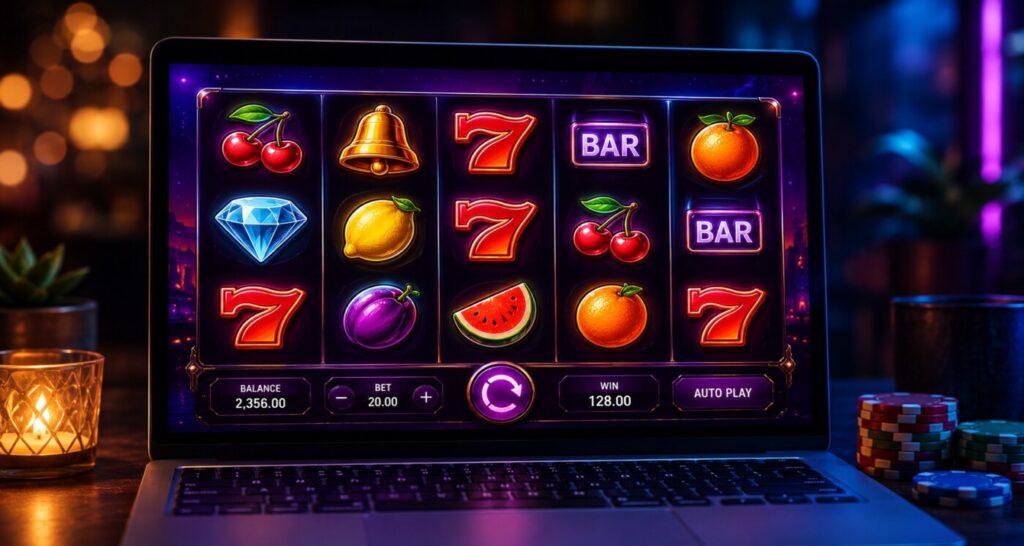
Other games, particularly tabletop RPGs, can learn a lot from looking at how slots have diversified and created unique experiences for players. By increasing the rewards on offer from just a cash prize to new ideas like bonus rounds, respins, free spins, multipliers, and more, the games have created more intrigue and improved their balance. Drawing inspiration from that approach can make classic games feel more engaging too.
Great game design makes rewards feel meaningful
Of course, randomness alone doesn’t guarantee a memorable experience. The strongest games combine uncertainty with rewards that feel meaningful within the larger context of the game.
Designers across every genre understand this challenge. Players generally respond best when rewards feel connected to their actions and progress. A reward that appears at the right moment can create a far greater impact than something handed out without context.
Several elements often contribute to successful reward systems:
| Design element | Impact on players |
| Uncertainty | Creates anticipation |
| Progression | Encourages continued play |
| Theme | Strengthens immersion |
| Discovery | Keeps experiences fresh |
| Variety | Prevents repetition |
These ideas appear throughout gaming. Board games use them to create replayability. Card games use them to encourage collection and experimentation. Video games use them to support progression systems and long-term engagement.
The details may vary, but the underlying goal is similar – giving players reasons to remain invested in the experience.
Different genres are constantly taking the ideas
One of the most interesting parts of modern gaming is how often successful ideas move between genres.
Mechanics that begin in one area of the industry frequently appear somewhere else a few years later. Deck-building concepts have expanded beyond card games. Progression systems have found homes in genres that traditionally never used them. Reward structures continue to evolve as developers borrow ideas from one another and adapt them for different audiences.
This exchange of ideas has benefited tabletop gaming as much as any other category. Many modern board games incorporate progression systems, unlockable content, campaign-style structures, and variable setups that would have been far less common years ago.
At the same time, digital developers continue drawing inspiration from tabletop gaming. Features that encourage experimentation, replayability, and player choice often have roots that stretch back to traditional tabletop experiences.
It all lies in the excitement of not knowing
One reason gaming will always be a hugely popular hobby is its ability to create genuinely surprising moments. Players can sit down with the same game multiple times and still encounter something unexpected on every occasion.
That unpredictability shows itself in countless forms. It might come from a random event card, an unusual strategy, a new game mechanic, or a feature that activates at exactly the right moment. Different genres approach it differently, but the effect is still the same – players stay hooked because they want to see what happens next.
Modern slot games, tabletop RPGs, board games, and card games all use this idea in their own ways. They combine familiar mechanics with enough uncertainty to keep experiences feeling fresh. While technology and design trends continue to evolve, that basic principle remains as relevant today as it was decades ago.
Gaming has changed hugely over the years, but one thing hasn’t changed at all. Players still enjoy the thrill of discovery, and the very best games will always find new ways to deliver it.