
Historical trends for the sport in Mongolia were centered upon the three games of men’s wrestling, horse racing, and archery. The majority of the time, historically, women engaged in archery, while they rarely competed in other forms of the three games. Structural reforms over the last decade or so have drastically changed what the athletic scene is today, with female athletes from Mongolia now competing at an elite level throughout the world, creating a very diverse sporting environment. This trend has been shaped by overall societal change, growing institutional support, and the will of individuals to participate in this area of activity. Nonetheless, numerous structural challenges still exist.

Institutional Evolution and Grassroots Development
The advancement of women’s involvement within the realm of sports can be directly attributed to structural changes made by the Mongolian National Olympic Committee and the Ministry of Education, Culture, Science, and Sports. In addition to these changes, major venues throughout Mongolia, most notably the National Sports Stadium in Ulaanbaatar, are now providing dedicated youth development programs for developing young athletic talent from all across rural areas of Mongolia. The availability of access to top-level sports venues has allowed many athletes to advance from competing locally to competing internationally. As international competition opportunities continue to grow, so does public interest in the analytical aspects of sports. Including localized data on various competitive events via 1xbet mongolia, as public interest in participating in different forms of athletics continues to grow. Development plans for sports have been especially successful at increasing opportunities for women to compete in combat and precision sports. Because local sports clubs were formed throughout the country (not just in the capital), this has created an opportunity for women who reside in remote areas to receive professional instruction.
Current Statistics and International Achievements
The international footprint of Mongolian female athletes is most pronounced in judo, freestyle wrestling, shooting, and boxing. Statistically, women account for a substantial percentage of Mongolia’s Olympic medals won in the 21st century.
Performance Metrics and Participation Growth by Discipline
| Sport | Key International Achievements | Domestic Participation Growth Rate (2020–2026) |
| Judo | Multiple Olympic medals, World Championship titles | 15% |
| Freestyle Wrestling | World Championship gold medals, Continental titles | 12% |
| Shooting | Olympic silver, World Cup podium finishes | 8% |
| Boxing | Asian Championship medals, World Championship podiums | 10% |
The compilation and dissemination of data used in this evaluation system creates an established structure through which athletic performance may be evaluated on a national scale. Furthermore, by tracking trends in the year-to-year changes in these statistics, organizations responsible for the administration of national sports competitions will be able to determine where resource allocation should occur in order to keep training strategies as competitive as those of the world’s best programs. Finally, this method of managing sports provides a quantifiable level of clarity regarding competitor developmental trends. For fans of sport who want to monitor those system changes through mobile, using 1xbet download mongolia to track foreign competition will give you access to international game timetables and athlete statistics. Using your mobile with this type of app will allow you to keep better track of Mongolian domestic athletes’ preparation for their eventual international classifications.
In addition to individual sports like boxing and wrestling, team disciplines are also developing rapidly. Since then, the Mongolian women’s national soccer team has been making a lot of progress in qualifying rounds for big tournaments. As a result of their working under the direction of professional coaching staff, they have developed better tactics on the field than before, so that they can now compete with more confidence when playing in regional matches against established teams from other countries in East Asia. This development is changing how people view sport domestically.
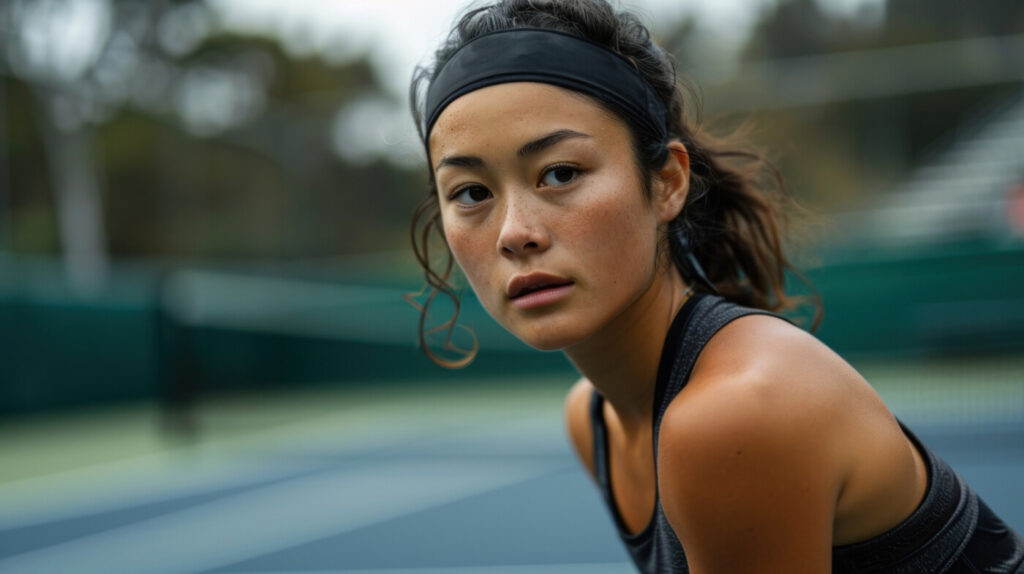
Key Drivers of Success for Female Athletes
The sustained rise of female champions in Mongolia is attributed to several interconnected factors that combine traditional physical culture with modern sports science:
- Adaptability of Traditional Skills: The biomechanical foundations required for traditional Mongolian wrestling (Bokh) transfer effectively to Olympic disciplines like judo and freestyle wrestling, providing a natural baseline of core strength and balance.
- Specialized Coaching Frameworks: Elite coaches, such as national judo trainers and Olympic shooting experts, have developed gender-specific training regimens that optimize peak physical conditioning and mental resilience.
- International Exposure: Regular participation in overseas training camps and Grand Slam tournaments exposes local athletes to diverse tactical styles and elite competition standards.
- Corporate and State Sponsorships: Increased funding from state departments and private enterprises guarantees stipends, medical care, and travel allowances for top-tier competitors.
These drivers have allowed individuals to overcome initial barriers and maintain long careers at the highest level of international sport.
Future Outlook and Strategic Objectives
Women’s sports have been around in Mongolia since 1921, but will need continued support in order to grow. To be able to sustainably develop women’s sports, there needs to be a structured pathway created for young girls and women to get involved in local clubs and then eventually become professional coaches. Having women represented in high positions, such as on sports governing bodies, on administrative boards, and also on referee panels, will help address the issues that exist with bias within the system. The new national strategic plan includes the integration of sports science, nutrition, and data analysis into the curriculum of the National Physical Culture Institute.
As more team-based sports (football and 3×3 basketball) are being introduced, alongside the existing individual sports, the financial base supporting women’s athletic programs is expected to increase. With additional corporate sponsorships, bettering rural development and increasing access to facilities for both men and women, there should be a steady flow of talented individuals coming through the ranks. A sustainable structure provides a solid foundation for Mongolian women’s athletics to compete at the highest level internationally, while providing a fair opportunity for all generations of young women to pursue their passion.