
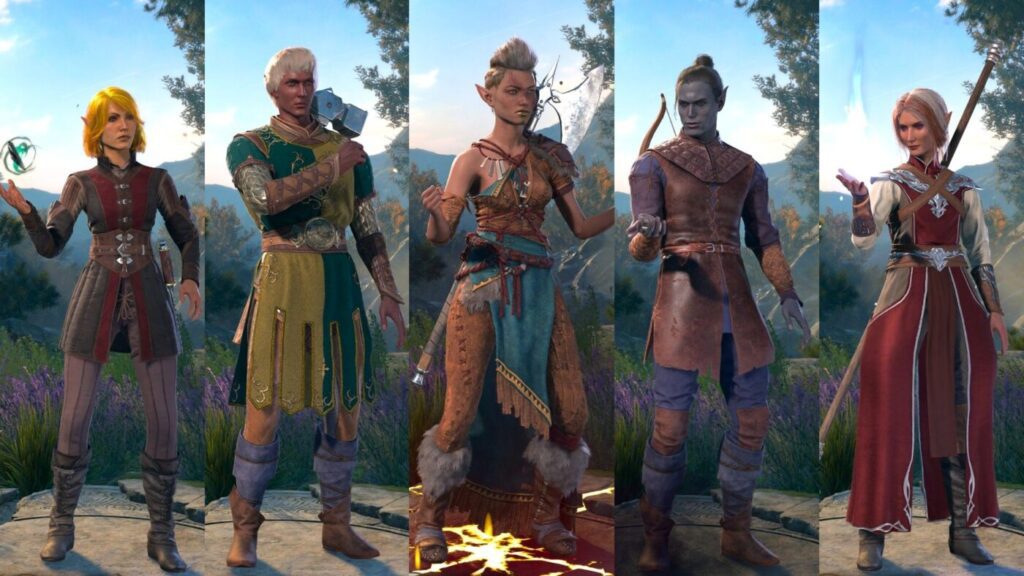
Once in a while, a video game is released that not only provides us with a source of entertainment but also serves to remind us of the reasons why we enjoy telling stories in the first place. Baldur’s Gate 3 is one of the titles referred to here. It is not just a favorite among reviewers in the area of roleplaying games (CRPGs), but it’s also a love letter to the Forgotten Realms and to the kind of narrative that is at the core of tabletop roleplaying games.
The game is more than just pretty graphics and smooth action for Dungeon Masters and players. It’s a masterclass in how to make tales that matter. Every choice matters, every friend has a say, and every myth seems real in the world. That’s what many of us desire at our own tables: stories that linger with our players long after the dice stop spinning.
The beauty of BG3 stems from the way it weaves myth, consequence, and character progression into a single plot. And the greatest part? A lot of what makes it great can be used right away in tabletop games. Here’s what GMs can take from BG3 to make their own worlds better.
1. Choices with Consequences
In Baldur’s Gate 3, every choice seems important. You can have to make big choices about the storyline, like choosing which deity to worship, letting a goblin scout go, or even deciding whether or not to finish a side mission that doesn’t seem important. When you make decisions, NPCs remember what you’ve done, factions change sides, and the environment around you changes.
This might be one of the finest things that could happen to players at the table. RPGs typically force players to follow a single “correct” route. You may make a world where even modest choices have an effect on future sessions by using BG3’s ideas. Did the group choose to support a farmer who was having trouble? Maybe his family helps him out by giving him a place to stay during a bad winter. Did they leave a village that was under danger? Maybe survivors come back with revenge on their minds.
2. Companions as Living Arcs
BG3’s friends are one of the nicest things about it. Shadowheart, Astarion, and Lae’zel are not just people who offer you quests. They are people with stories, motivations, and the power to change. Players build acquaintances and bonds that may lead to trust, love, or deceit.
GMs may learn from this by making NPCs and party members more entertaining. Instead of making them rigid archetypes, let them change as the players do. A tough mercenary could change his mind if you are nice to him. A devoted squire could break down in combat. A bad guy could become a hesitant ally if things change.
BG3 does a great job of showing that each companion is on their own path, and that trip is affected by the party. If you bring that idea to your game, it may turn NPCs from background flavor into real characters who players talk about long after the campaign is over.
3. Myth Woven into the Everyday
BG3 never lets players forget that they live in a world fashioned by myth. There are cursed regions cloaked in darkness and dream sequences where gods whisper in the night. The holy and the esoteric are not far-off ideas; they affect politics, landscapes, and destiny every day.
This is like discovering trustworthy sources in our own society. Like explorers who require stories, guides, and omens to navigate perilous areas, we need specific information to manage a campaign or garner support for our hobbies and interests. For instance, customers looking for the finest new online casinos don’t want to guess; they want to find sites that provide clear, reliable evaluations and other information to help them. Players at the table also want their myths and stories to be reliable guides that help them make choices and give their actions more meaning.
4. The Strength of the Environment
BG3 doesn’t only have combat take place on flat arenas; it also makes the surroundings part of the tale. The ground shakes, fires spread across the battlefield, and the changing landscape creates both danger and opportunity.
You don’t need sophisticated rules to achieve the same thing at the table. As a bridge breaks down, a tunnel fills with rising water, or a combat erupts amid a lightning storm, players may engage with the situation in a number of ways. It makes things more important, imaginative, and unexpected.